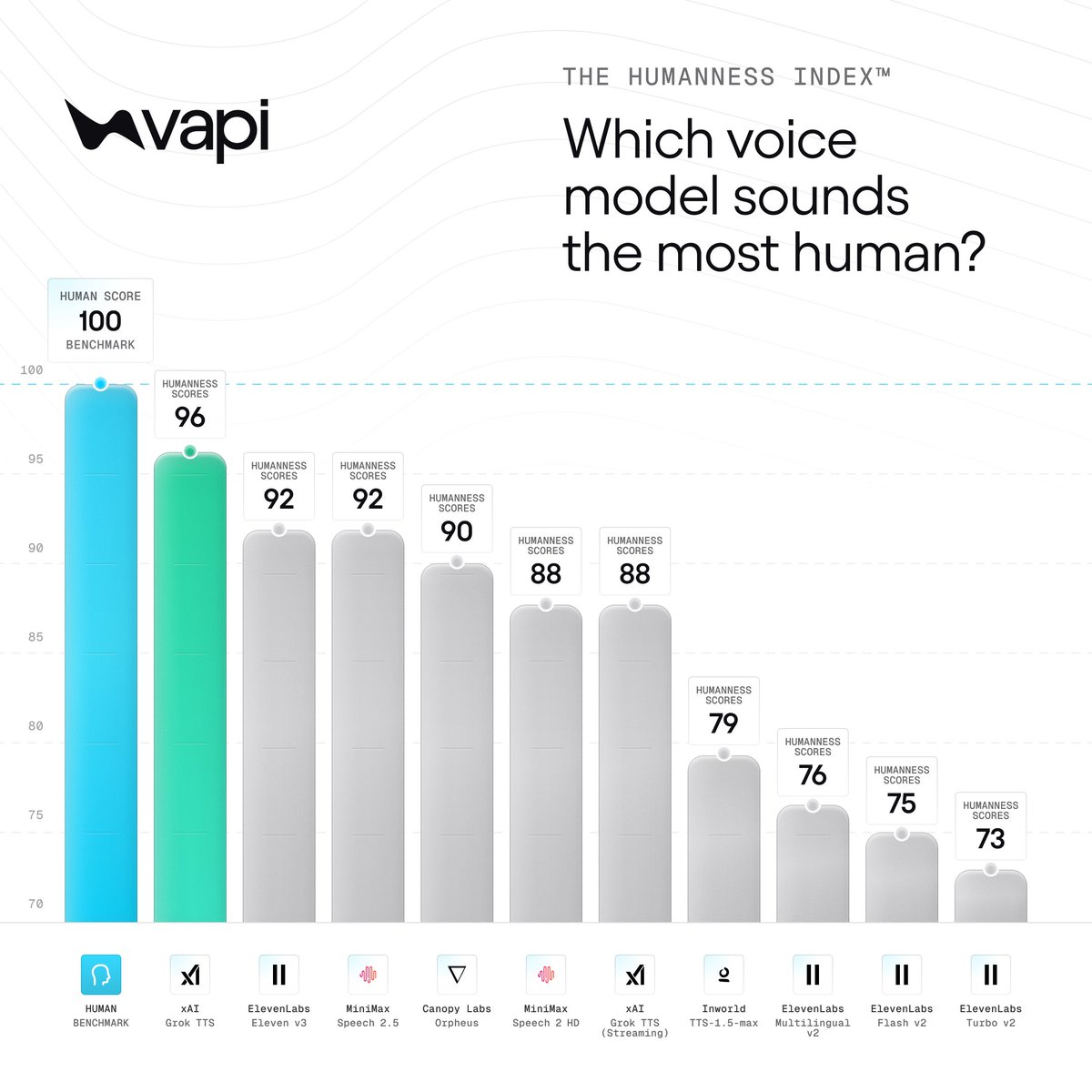
xAI is making a fresh push on its Grok Text-to-Speech technology, calling it the most human-like speech available from any AI platform. That's a bold claim — but the technical details behind it suggest this isn't just marketing. The same engine already runs inside Tesla vehicles and Starlink customer support, meaning many owners have been hearing it without realizing it.

Here are seven things worth knowing about where Grok TTS stands today.
1. It Already Runs in Your Tesla
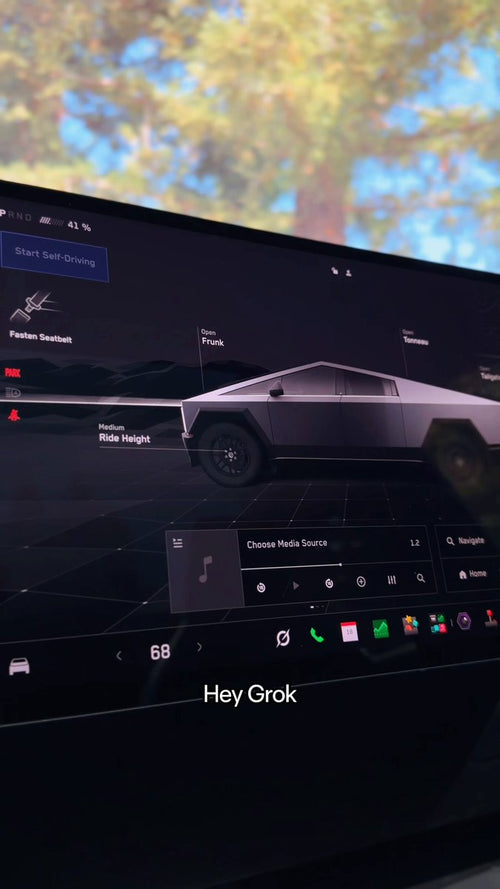
According to xAI, Grok TTS is built on the same technology stack that powers Grok Voice inside Tesla vehicles and Starlink customer support lines. If you've used voice interaction in a recent Tesla, you've already experienced a version of this engine. That gives the "most human-like" claim some grounding — it's been stress-tested at scale in real-world driving environments, not just in a lab demo.
2. Emotion and Tone Are Programmable
One of the more technically interesting aspects is the Speech Tags system. Developers can insert markers like [laugh], [sigh], <whisper>, <emphasis>, and [pause] directly into text to shape how the voice is delivered. AI agents can also dynamically adjust tone — responding with empathy or enthusiasm depending on context — rather than reading everything in the same flat cadence.
3. The Voice Library Has Grown Significantly
When the TTS API launched to developers in March 2026, it shipped with five voices: Ara (warm), Eve (energetic), Leo (authoritative), Rex (confident), and Sal (balanced). The catalog has since expanded to over 80 natural voices spanning more than 25 languages, with auto-detected language support for over 20 of them. That's a meaningful jump in global usability in under three months.
4. You Can Clone Your Own Voice
Custom Voice functionality, introduced on April 30, 2026, lets users clone their own voice from under a minute of natural speech. The cloned voice inherits all TTS capabilities, including the full speech tag system and multilingual output. This opens up personalized voice agent applications — think a customer service bot that sounds like the actual founder of a business.
5. The API Is Built for Real-Time Use
Grok TTS supports real-time streaming through WebSocket connections for near-instant responses, with a speech speed multiplier adjustable from 0.7x to 1.5x. Output formats include PCM, MP3, Opus, FLAC, and WAV — with MP3 at 24 kHz / 128 kbps as the default. REST mode supports up to 15,000 characters per conversion, and an optional text normalization feature handles spoken-form conversions (e.g., "Dr." becomes "Doctor" automatically).
6. The Pricing Is Straightforward
Grok TTS is priced at $4.20 per million characters. For context, a typical 5-minute voice interaction involves roughly 5,000–8,000 characters, putting the cost well under a cent per conversation at scale. That pricing structure makes it accessible for developers building voice agents without needing to negotiate enterprise contracts.
7. The Timeline Has Moved Fast
xAI launched the TTS API to developers on March 16, 2026. Grok Voice Mode went live for everyday users on X just three days later, on March 19. Standalone Speech-to-Text and TTS APIs followed on April 17, and Custom Voices arrived on April 30. That's four significant milestones in roughly six weeks — a pace that signals this is a priority product line for xAI, not a side project.
The connection to Tesla's in-car experience is the thread that ties this directly to owners. As xAI continues iterating on the voice stack, improvements to Grok TTS will likely surface in Tesla's voice interface over time — making today's developer-facing update a preview of what's coming to the dashboard.
Sources & reporting notes
The links below identify the material source records used for this report.
- @xai on X (2026-06-18T17:02:09.000Z) — Direct source
Source links are preserved as published or accessed. See our editorial standards and corrections policy.
The BASENOR Editorial Desk covers Tesla, SpaceX, and related technology, curating reporting from primary sources — official accounts, regulatory filings, and software release data. Every article passes source-record and fact-checking review before publication. About the newsroom.
This report was curated by the BASENOR Editorial Desk from the sources listed above. Read our editorial standards or email editorial@basenor.com to report an error.