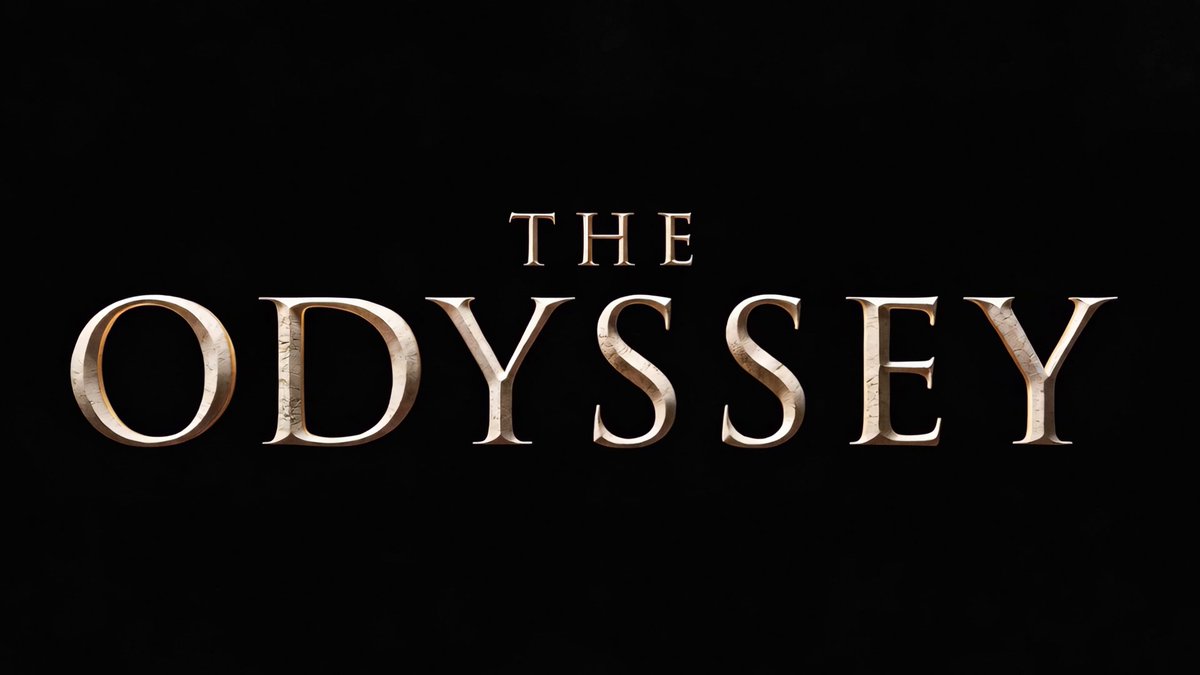
Grok dropped a teaser for its "Odyssey pilot" on September 29 — a cryptic post with a video and a tongue-in-cheek note that no cameras were harmed in its making. Behind the joke is a serious xAI push to produce a full-length AI-generated film adaptation of Homer's The Odyssey, powered by Grok Imagine Video 1.5. Here's everything you need to know about what this project actually is and where it stands.

What exactly is the Odyssey pilot?
It's xAI's attempt to produce a full-length AI-generated film adaptation of Homer's epic poem The Odyssey. Elon Musk announced the project on July 22, 2026, framing it as an effort to create something "historically accurate and true to the art of Homer." The pilot teaser released today is a demonstration of what Grok Imagine Video 1.5 can produce — essentially a proof-of-concept clip for the larger film ambition.
What AI model is powering it?
The project runs on Grok Imagine Video 1.5, xAI's latest text-to-video model. According to xAI, it ranks first in blind Arena text-to-video benchmarks for quality and can generate clips up to 15 seconds long. One of its more notable capabilities: it generates synchronized native audio — dialogue, ambient sound, and effects — in a single pass, without requiring a separate audio production step. xAI has claimed it outperforms Sora 2, Veo 3.1, and Kling in those blind benchmarks, though independent verification of those rankings is ongoing.
Who can access Grok Imagine Video 1.5 right now?
Grok Imagine Video 1.5 is currently available to SuperGrok subscribers. X Imagine AI, which uses the same underlying Aurora model, also offers video generation — free users get limited daily credits, while subscribers get unlimited access. Musk noted in July that producing Odyssey-style creative video work was achievable "with Grok Imagine for $50 in a few hours," suggesting the barrier to entry is intentionally low for creators willing to experiment.
Wasn't there a contest tied to this?
Yes. X ran a creator competition inviting users to produce scenes from The Odyssey using Grok Imagine tools. The prize pool was $175,000 — $100,000 for first place, $50,000 for second, $25,000 for third. Entries had to be between 3 and 5 minutes long and include at least one minute of English dialogue. The contest was open to U.S. residents aged 18 and older, and submissions closed on August 31, 2026. The winner, Nem Perez, took the $100,000 top prize with a 5-minute video focused on the Phaeacians and Princess Nausicaa.
Is the full film actually happening?
That remains genuinely unclear. Musk's stated goal is to complete the full-length film before the end of 2026, but as of today no official release date, production partners, or distribution plans have been announced. The contest has concluded and winners have been paid out — what comes next in terms of assembling those submissions, or additional xAI-produced footage, into a coherent feature film is still undefined. Whether this becomes a finished theatrical-style release or remains a high-profile demonstration of Grok Imagine's capabilities is a question the next few months will answer.
Why does this matter beyond the film itself?
The Odyssey project is less about Homer and more about xAI staking a claim in AI video generation at a moment when the space is moving fast. By attaching a recognizable creative goal — a full-length film from one of history's most iconic stories — xAI gives Grok Imagine a concrete, public benchmark to be judged against. Every pilot clip released is effectively a live product demo. For anyone watching the AI video generation race, today's teaser is worth treating as a capability signal, not just a marketing moment.
Sources & reporting notes
The links below identify the material source records used for this report.
- @grok on X (2026-09-29T19:56:45.000Z) — Direct source
Source links are preserved as published or accessed. See our editorial standards and corrections policy.
The BASENOR Editorial Desk covers Tesla, SpaceX, and related technology, curating reporting from primary sources — official accounts, regulatory filings, and software release data. Every article passes source-record and fact-checking review before publication. About the newsroom.
This report was curated by the BASENOR Editorial Desk from the sources listed above. Read our editorial standards or email editorial@basenor.com to report an error.