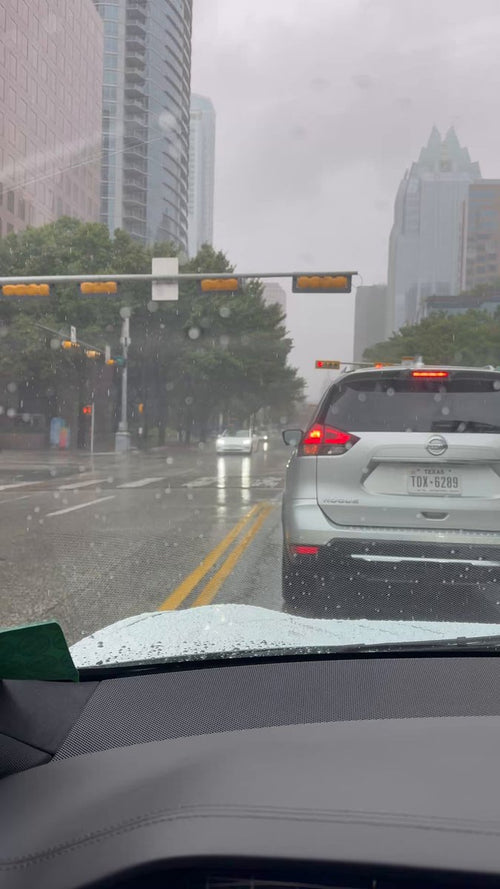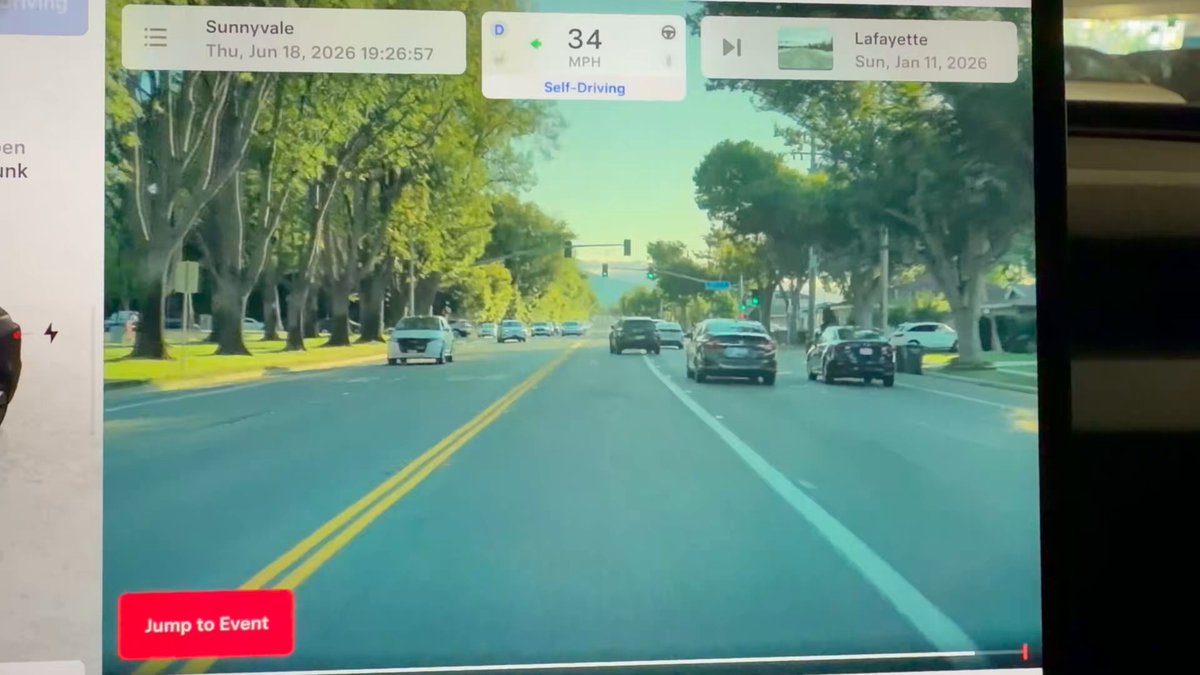
Tesla just put a spotlight on one of its quieter safety features: sideswipe prevention. In a brief post shared overnight, the company highlighted how its vehicles actively work to stop side-impact collisions before they happen — a capability built from several interlocking systems that have grown more sophisticated with each software generation.

The feature isn't a single toggle — it's a stack. Side Collision Warning alerts drivers when an obstacle is approaching from the side. Blind Spot Monitoring flags objects during lane changes. And Emergency Lane Departure Avoidance actively steers the car back into its lane if it drifts toward another vehicle. Together, they form a layered defense against one of the most common highway collision types.
Recent updates have made the system more visible — literally. As of a May 2026 update, Tesla integrated blind spot detection with the vehicle's ambient accent lighting: when something's detected in your blind spot, the cabin lights glow red. It's a subtle but effective cue that works even when your eyes are on the road ahead rather than the instrument cluster. The Spring 2026 software update also enhanced blind spot warning lights more broadly, building on the blind spot door warning that arrived in update 2026.8 — a feature designed to prevent dooring accidents when parked as well.
The 2026 Model Y recently became the first vehicle to pass NHTSA's updated Advanced Driver Assistance Systems safety tests, which specifically evaluate blind spot warning and blind spot intervention performance. That validation matters: it's one thing for a carmaker to claim its safety systems work; it's another for the federal regulator to confirm it under standardized testing conditions.
Sideswipes remain stubbornly common on U.S. roads, often because drivers check mirrors too briefly or misjudge closing speeds. The ambient lighting integration is a smart acknowledgment that audio alerts alone don't always cut through highway noise or driver distraction. Whether Tesla plans to push further enhancements — such as automatic steering intervention during highway lane changes — remains to be seen, but the trajectory is clear.
📋 Tracking Tesla software? See every firmware, FSD and app version in one place in our Tesla Software Update Tracker.
Related Gear
Gear up your Tesla with tested, custom-fit BASENOR accessories — shop Tesla accessories →
Sources & reporting notes
The links below identify the material source records used for this report.
- @Tesla on X (2026-06-21T01:12:17.000Z) — Direct source
Source links are preserved as published or accessed. See our editorial standards and corrections policy.
The BASENOR Editorial Desk covers Tesla, SpaceX, and related technology, curating reporting from primary sources — official accounts, regulatory filings, and software release data. Every article passes source-record and fact-checking review before publication. About the newsroom.
This report was curated by the BASENOR Editorial Desk from the sources listed above. Read our editorial standards or email editorial@basenor.com to report an error.