Tesla has confirmed that the Model Y Long Wheelbase powered seats and liftgate will automatically pop back up when they detect an obstruction during operation. It's a straightforward but meaningful safety refinement — one that protects passengers, pets, and cargo from getting caught in a high-torque powered mechanism that would otherwise keep moving.

What the Feature Actually Does
The Model Y Long Wheelbase (Model YL) features powered second-row captain's chairs with heated and ventilated seating, driven by high-power seat motors. Those motors generate enough force to cause real harm if they close on something — a child's arm, a pet, a bag strap. The new obstruction detection logic addresses that directly.
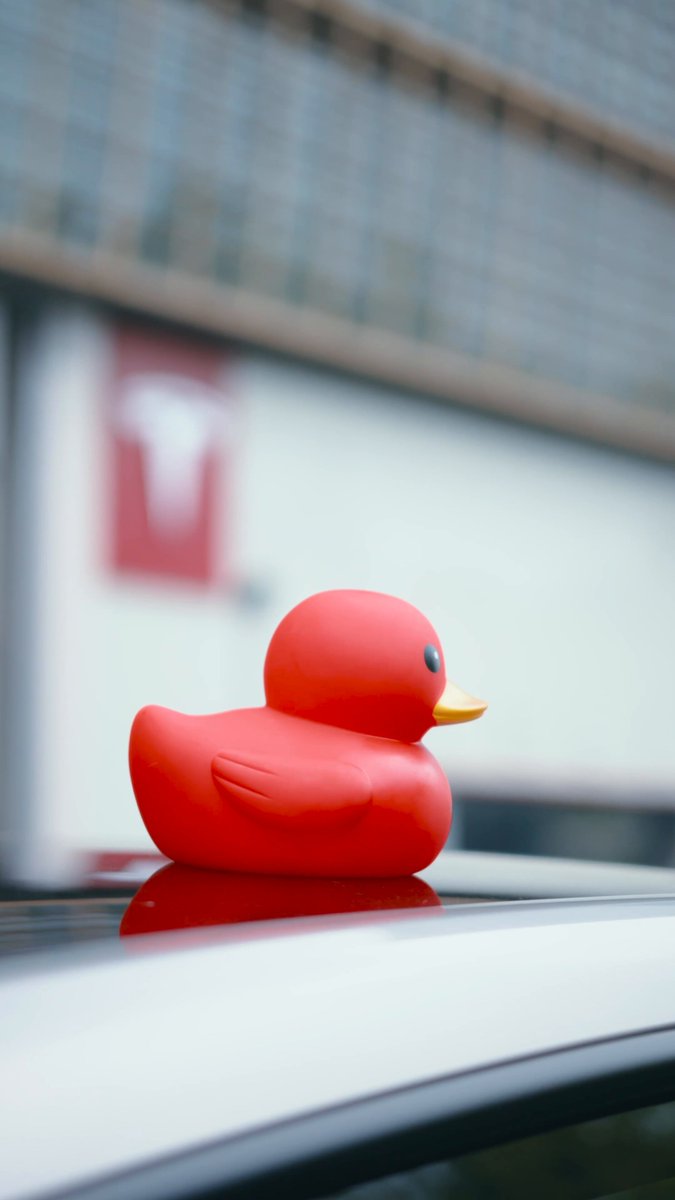
When the seat or liftgate senses resistance mid-movement, it stops immediately and reverses direction — popping back to an open position rather than continuing to apply force. According to background research, Tesla's Vice President for Global Affairs Tao Lin previously demonstrated this using a toy duck placed in the seat's path, with the seat stopping and reversing on contact. The same logic applies to the powered liftgate.
This isn't a software update being pushed to existing vehicles — it's a feature Tesla is now highlighting as part of the Model Y Long Wheelbase's design. The timing of the official announcement aligns with the vehicle's US showroom arrivals, which began in July 2026.

Why This Matters Beyond the Feature Itself
Powered folding and reclining seats have caused injuries — particularly to children — in vehicles from other manufacturers. Some of those incidents led to recalls. The core problem is mechanical: a seat motor following a programmed command doesn't know there's a hand or a head in the way unless the system is specifically designed to detect and respond to resistance.
Tesla's implementation stops movement and reverses it. That's the behavior you want. It's worth noting because the Model Y Long Wheelbase's second-row captain's chairs are a primary selling point of the vehicle — they recline, they fold flat, and they're powered. Families choosing this vehicle specifically for the rear-seat experience should understand how that safety logic works before they rely on it.
What Model Y Long Wheelbase Owners Should Do
If you've taken delivery of a Model Y Long Wheelbase or are expecting one, here's how to verify and familiarize yourself with this feature:
- Test it deliberately before you need it. With the vehicle parked and no one seated, use the powered seat controls to fold a second-row seat and place a soft, safe object (a rolled towel works) in the path. Confirm the seat stops and reverses. Do this once so you know the system is working on your specific vehicle.
- Test the liftgate the same way. With the liftgate closing, place your hand lightly in the path near the top of the opening. The gate should stop and reverse. If it doesn't respond, contact Tesla Service — this is not a feature you want to discover is non-functional during an actual incident.
- Educate everyone who uses the rear seats. The auto-reverse is a safety net, not a substitute for awareness. Kids and pets should be clear of the seat mechanism before you trigger powered fold or recline. The system is designed to catch mistakes, not replace attention.
- Keep the seat track area clear. Debris, toys, or items lodged in the seat rail can interfere with both the movement and the obstruction detection. A quick check before operating powered seats is a good habit.
- Check your vehicle's software is current. Navigate to Controls → Software on your touchscreen and confirm you're on the latest available version. While this appears to be a hardware-level feature of the Model YL rather than a retrofitted OTA change, keeping software current ensures any refinements to the detection logic are applied.
A Note on the Model Y Long Wheelbase
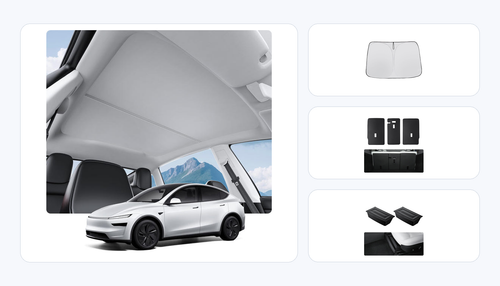
The Model Y Long Wheelbase launched in China in August 2025 and began arriving in US showrooms in July 2026. It adds a third row, powered second-row captain's chairs, and an 8-inch rear touchscreen to the Model Y platform. The powered seat system — including the obstruction detection now being highlighted — is specific to this variant. Standard Model Y owners with manual or non-powered rear seats are not affected by this announcement.
The auto-reverse behavior on both the seats and liftgate is exactly the kind of detail that's easy to overlook in a spec sheet but matters a great deal in daily use with a family on board. If you're evaluating the Model YL, it's worth adding to your test-drive checklist.
Related Gear
Gear up your Model Y with tested, custom-fit BASENOR accessories — shop Model Y accessories →
Sources & reporting notes
The links below identify the material source records used for this report.
- @Tesla on X (2026-07-20T20:09:57.000Z) — Direct source
- @wholemars on X (2026-07-20T20:36:12.000Z) — Direct source
Source links are preserved as published or accessed. See our editorial standards and corrections policy.
The BASENOR Editorial Desk covers Tesla, SpaceX, and related technology, curating reporting from primary sources — official accounts, regulatory filings, and software release data. Every article passes source-record and fact-checking review before publication. About the newsroom.
This report was curated by the BASENOR Editorial Desk from the sources listed above. Read our editorial standards or email editorial@basenor.com to report an error.