⚡ 30-Second Brief
- The News: Elon Musk confirmed plans for a significant expansion of Giga Texas, including a new 100-acre section dedicated to Optimus robot production, and provided updates on the next-gen Roadster, Cybercab, and AI infrastructure.
- Why it Matters: This signals a major shift in Tesla's production focus beyond vehicles, potentially accelerating the development and availability of humanoid robots and future mobility solutions. Owners interested in Tesla's broader technological vision and future products will find these updates significant.
- The Verdict: Recommended
📊 What Changed
| Feature | Before | After |
|---|---|---|
| Giga Texas Footprint | Existing factory | Existing factory + 100-acre Optimus production section 🆕 |
| Roadster Status | In development, details sparse | Refined design, production target 2026 ✅ |
| Optimus Production | Early prototypes | Dedicated 100-acre facility planned 🆕 |
| Cybercab | Concept | Production slated for 2026 ✅ |
🚦 Owner's Action Plan
Should You Act? 🟡 Recommended
What To Do:
- Stay Informed: Follow official Tesla announcements and Elon Musk's X account for further details on Giga Texas expansion milestones, Optimus development, and Roadster/Cybercab pre-order opportunities.
- Consider Future Products: If interested in the Roadster or Cybercab, monitor Tesla's official channels for reservation windows and updated specifications as they approach the 2026 production target.
- Observe AI Progress: Keep an eye on Tesla's AI Day events and investor calls for insights into their AI infrastructure advancements, which underpin these new ventures.
⚠️ Known Issues:
No issues reported yet, as these are forward-looking statements regarding future production and products. Timelines are subject to change based on development progress.
💡 The Long Wait is Over
For years, Tesla enthusiasts and owners have been keenly watching for updates on the company's ambitious projects beyond electric vehicles. Back in 2021, discussions on platforms like Reddit showed frustration and anticipation regarding the then-nascent Optimus robot program, with owners questioning its practicality and integration into Tesla's broader strategy. There was also significant interest in the production timeline for products like the 4680 batteries at Giga Texas, and the long-awaited next-generation Roadster.
Today, Tesla finally delivers concrete timelines and expansion plans, addressing many of these long-standing questions and moving these ambitious projects from concept closer to reality.
📰 Deep Dive
Elon Musk confirmed on X (formerly Twitter) that Tesla is embarking on a significant expansion of its Giga Texas facility. This expansion will include a new 100-acre section specifically dedicated to the production of the Optimus humanoid robot. This move signals a major strategic pivot for Tesla, indicating a serious commitment to scaling humanoid robot production alongside its automotive ventures. The focus on Optimus suggests Tesla views it as a key component of its future, potentially for use within its own factories and eventually for broader applications.
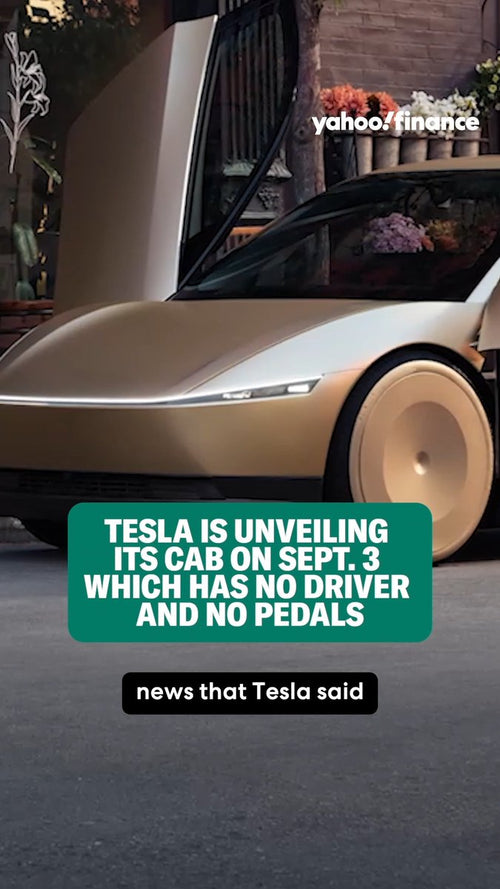
Musk also provided eagerly awaited updates on the next-generation Tesla Roadster and the Cybercab. Both vehicles are now slated for production in 2026. The Roadster, in particular, is undergoing a refined design process, promising to deliver an even more groundbreaking performance vehicle. The Cybercab, Tesla's vision for autonomous ride-sharing, is also moving towards production, aligning with the company's long-term goal of an autonomous transportation network. These timelines, while ambitious, provide a clearer roadmap for the introduction of these highly anticipated products.
Furthermore, Musk touched upon Tesla's massive investment in AI infrastructure, highlighting the company's belief that AI will be the limiting factor for Optimus production. This underscores the foundational role of AI in Tesla's future, not just for autonomous driving but for the broader development and deployment of robotics. The scale of this AI investment suggests a comprehensive strategy to support both its vehicle and robotics divisions, reinforcing Tesla's position at the forefront of AI innovation.
🚕 Following the Robotaxi rollout? See every operating city, launch date and announced market in our Tesla Robotaxi Tracker.
🤖 Tracking Tesla's humanoid robot? See every Optimus production milestone and appearance in our Tesla Optimus Tracker.
Related Gear
Gear up your Tesla with tested, custom-fit BASENOR accessories — shop Tesla accessories →
Sources & reporting notes
This article does not include retained source links. Our editorial standards and corrections policy, linked below, explain how BASENOR sources its reporting and how to request a correction.
Source links are preserved as published or accessed. See our editorial standards and corrections policy.
The BASENOR Editorial Desk covers Tesla, SpaceX, and related technology, curating reporting from primary sources — official accounts, regulatory filings, and software release data. Every article passes source-record and fact-checking review before publication. About the newsroom.
This report was curated by the BASENOR Editorial Desk from the sources listed above. Read our editorial standards or email editorial@basenor.com to report an error.