📌 UPDATE — July 2, 2026
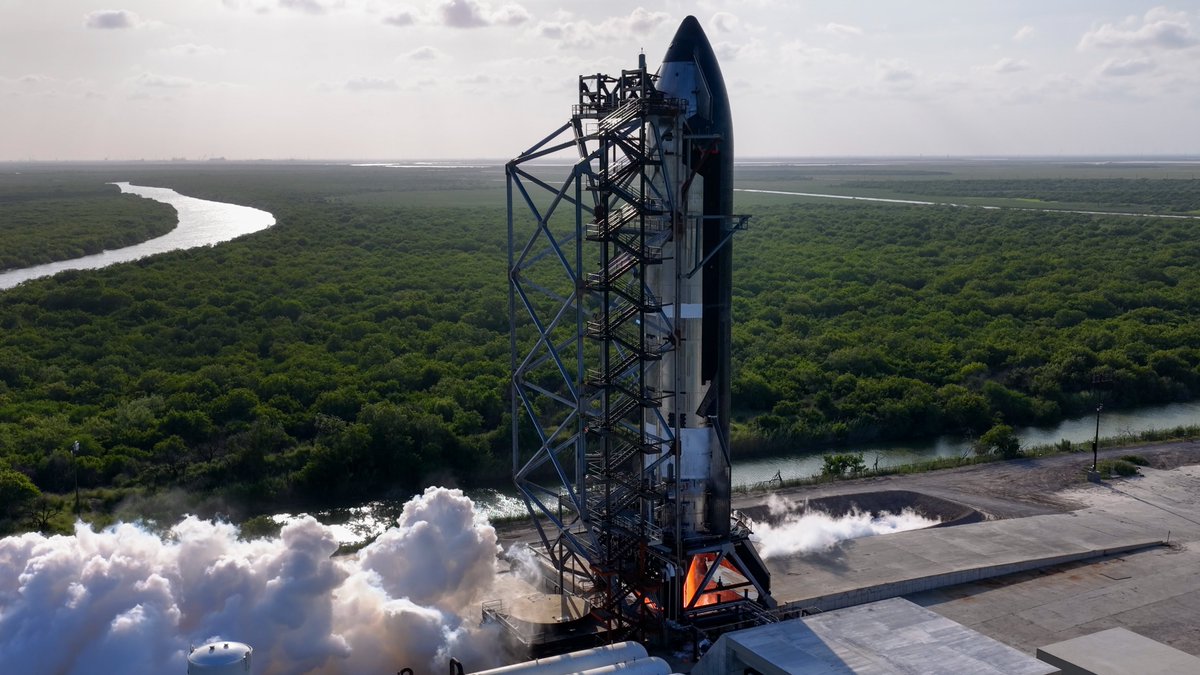
SpaceX has confirmed Ship 40's static fire was a full 60-second duration test, officially clearing it as a pre-launch readiness check ahead of Starship's thirteenth flight test. Both Elon Musk and NASASpaceflight confirmed the test was successful, signaling that Flight 13 is now imminent. SpaceX shared video footage of the static fire on X shortly after completion.
@SpaceX · July 2, 2026Starship 60-second static fire ahead of the thirteenth flight test

📌 UPDATE — July 1, 2026
SpaceX is now preparing Ship 40 for a full six-engine static fire at Massey's Test Site ahead of Starship Flight 13, a significant step up from the single-engine test covered in this article. NASASpaceflight reports the all-six-engine static fire is expected imminently, with the Flight 13 launch targeted for later this month. This would be the final major ground test milestone before Ship 40 rolls out to the orbital launch mount at Starbase.
@NASASpaceflight · July 1, 2026
"Starship Flight 13: Ship 40 Static Fire (should be all six engines) at Massey's ahead of launch later this month."
View on X ↗
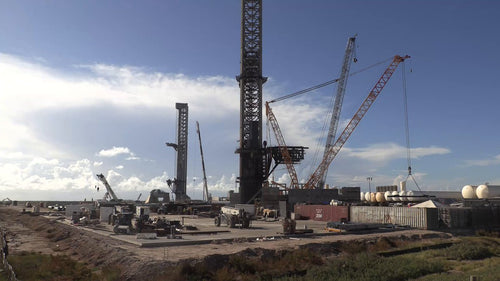
SpaceX has successfully completed a full-duration single-engine static fire test of Starship, marking a key checkpoint in the vehicle's path toward its next flight. The test, conducted on June 25 at Starbase's Massey's Test Site complex, involved Ship 40 — a new Starship prototype paired with Booster 20 for the upcoming Flight 13 campaign.

The Raptor engine burned for approximately 10 seconds in what observers believe may have been a warm propellant test — or a simulation of the orbital reignition sequence Starship needs to execute during re-entry and landing. Either way, a successful full-duration run clears a significant box on the pre-flight checklist. Flight 13 is currently targeting no earlier than later this summer, and this static fire suggests the Ship 40 hardware is progressing through qualification on schedule.
Single-engine tests like this one are less dramatic than the full-stack ignitions SpaceX has used to validate Booster hardware, but they serve a distinct purpose: isolating individual engine behavior under controlled conditions before committing to an integrated vehicle test. For a program that has moved from rapid iteration to increasingly methodical qualification, that discipline matters. Follow our SpaceX coverage as Flight 13 preparations continue to develop.
🚀 Following the Starship program? See every test flight, official outcome and the next launch window in our SpaceX Starship Tracker.
Sources & reporting notes
The links below identify the material source records used for this report.
- @SpaceX on X (2026-06-26T12:20:36.000Z) — Direct source
- @NASASpaceflight on X (2026-07-01T22:02:13.000Z) — Direct source
- @elonmusk on X (2026-07-02T14:57:04.000Z) — Direct source
- @NASASpaceflight on X (2026-07-02T14:59:14.000Z) — Direct source
- @SpaceX on X (2026-07-02T14:55:22.000Z) — Direct source
Source links are preserved as published or accessed. See our editorial standards and corrections policy.
The BASENOR Editorial Desk covers Tesla, SpaceX, and related technology, curating reporting from primary sources — official accounts, regulatory filings, and software release data. Every article passes source-record and fact-checking review before publication. About the newsroom.
This report was curated by the BASENOR Editorial Desk from the sources listed above. Read our editorial standards or email editorial@basenor.com to report an error.