

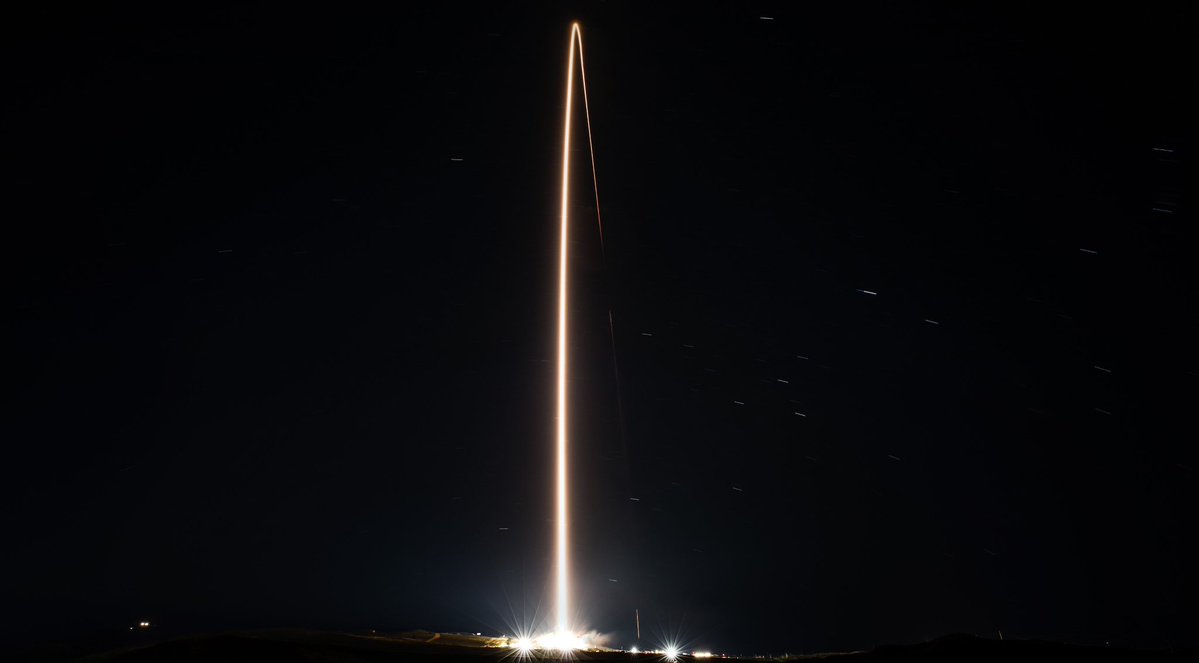
The News: SpaceX successfully conducted two heavy-class rocket flights within a single 10-hour window, a milestone Elon Musk highlighted directly on X.
Why It Matters: Rapid reusability at this scale is a prerequisite for the high-frequency launch cadence SpaceX needs to make Starship economically viable — and it has direct implications for Tesla's Starlink-dependent services and the broader SpaceX roadmap.
Source: @elonmusk on X
SpaceX Flies Two Heavy-Class Rockets in 10 Hours — A New Benchmark for Reusability
SpaceX just set a new operational benchmark. On March 17, 2026, Elon Musk confirmed that SpaceX completed two heavy-class rocket flights within a 10-hour window — a feat that would have been unthinkable just a few years ago and one that signals a meaningful step toward the kind of airline-like launch cadence the company has been targeting.

The tweet was brief — just eight words — but the implications are substantial. Musk has previously stated that SpaceX's long-term goal is to launch Starship as frequently as once per hour within three years. Two heavy-class flights in 10 hours, while not yet at that cadence, is a concrete demonstration that the operational infrastructure and reusability processes are maturing rapidly.
📊 Why Heavy-Class Is the Key Distinction
Not all rockets are created equal, and the heavy-class designation matters here. Heavy-lift vehicles — think Falcon Heavy or Starship's Super Heavy booster — are fundamentally more complex to turn around than a standard Falcon 9. They carry more mass, use more engines, and require more intensive post-flight inspection and refurbishment.
Falcon 9 has already demonstrated rapid reusability at scale — SpaceX has averaged close to 13 missions per month in early 2026, with back-to-back Starlink launches from Vandenberg and Cape Canaveral within 48-hour windows becoming almost routine. But heavy-class vehicles operate in a different league of complexity. Achieving two flights in 10 hours at this class level suggests SpaceX's ground operations teams have made significant process improvements in booster recovery, inspection, and re-stacking workflows.
🔭 The BASENOR Take
Timeline Context: SpaceX is targeting the Starship V3 architecture maiden flight for early April 2026, featuring upgraded Raptor 3 engines and improved launch tower systems. This 10-hour dual-flight achievement arrives at a strategically important moment — just weeks before what could be a landmark Starship test.
Impact Level: 🟠 High — This is an operational milestone, not just a technical one. The bottleneck for SpaceX's long-term ambitions has always been ground operations, not the rockets themselves. Demonstrating this turnaround speed at heavy-class scale directly validates the business case for high-frequency launches.
Confidence: ⭐⭐⭐⭐☆ — The claim comes directly from Musk's X account with 12 million+ views and strong engagement (60K+ likes, 7K+ retweets), suggesting this is a real operational event. Specific vehicle identities and mission details have not been independently confirmed at time of publication.
What to Watch: SpaceX has Falcon Heavy missions on the 2026 manifest including NASA's Dragonfly mission to Titan and USSF military payloads. If this 10-hour window involved Falcon Heavy boosters, it would directly accelerate the cadence for those high-value government contracts.
What This Means for the Bigger Picture
For context on why launch cadence matters beyond just SpaceX's business: Starlink — which underpins Tesla's in-car connectivity features and is a key revenue stream for the broader Musk enterprise — depends on SpaceX's ability to deploy and replenish satellites at scale. A faster launch cadence means faster Starlink constellation expansion, which translates to better coverage and lower latency for Tesla owners using in-car connectivity, especially in rural and international markets.
More broadly, this milestone feeds into SpaceX's stated ambition of making space access economically comparable to air freight. Musk has described a future where Starship moves millions of tonnes to orbit annually. Getting there requires not just a capable rocket, but a ground operations machine that can turn vehicles around in hours, not weeks. Today's announcement suggests that machine is being built, tested, and validated in real time.
For our SpaceX coverage, this sits alongside a string of operational achievements that collectively paint a picture of a company accelerating toward a launch cadence the industry has never seen. The question is no longer whether SpaceX can build reusable rockets — it's whether the ground infrastructure can keep pace with the hardware. Today's 10-hour window is a meaningful answer to that question.
🚀 Following the Starship program? See every test flight, official outcome and the next launch window in our SpaceX Starship Tracker.
Sources & reporting notes
The links below identify the material source records used for this report.
- @elonmusk on X (2026-03-17T16:09:29.000Z) — Direct source
Source links are preserved as published or accessed. See our editorial standards and corrections policy.
The BASENOR Editorial Desk covers Tesla, SpaceX, and related technology, curating reporting from primary sources — official accounts, regulatory filings, and software release data. Every article passes source-record and fact-checking review before publication. About the newsroom.
This report was curated by the BASENOR Editorial Desk from the sources listed above. Read our editorial standards or email editorial@basenor.com to report an error.






