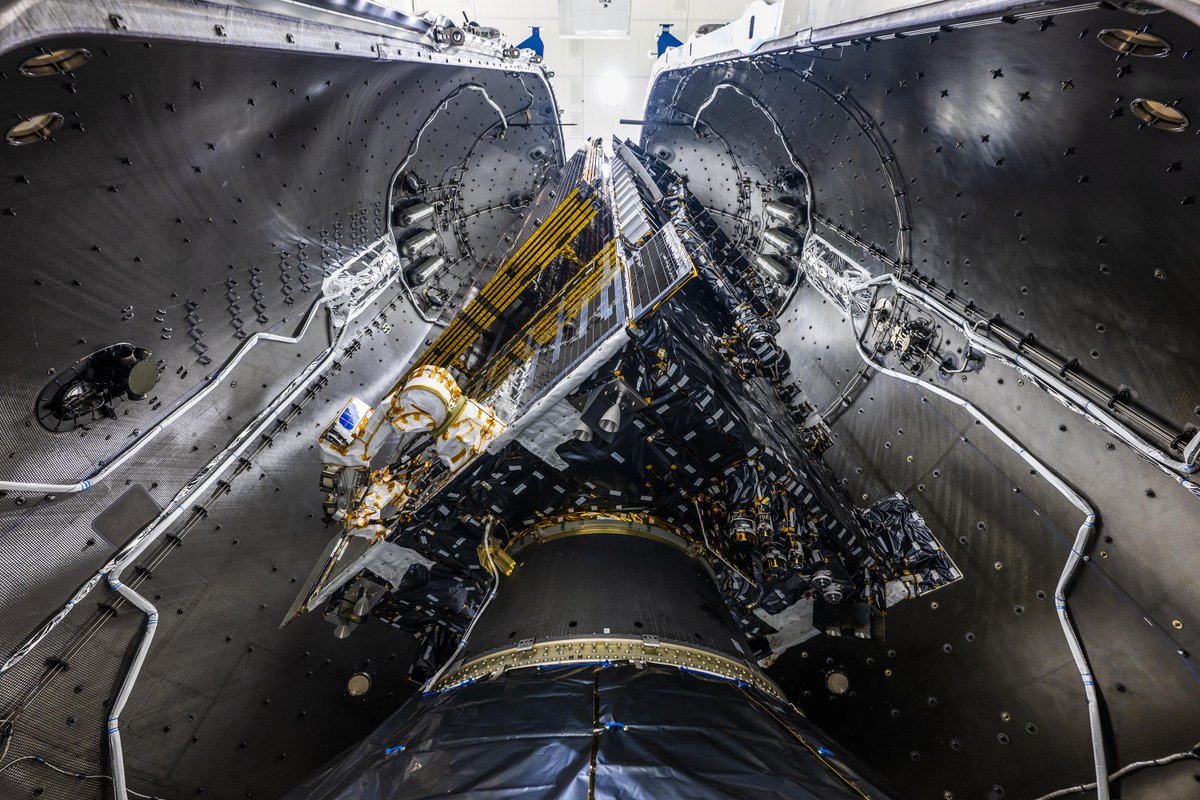
📌 UPDATE — June 29, 2026
SpaceX has officially confirmed successful deployment of the SXM-11 satellite. The confirmation came via SpaceX's official X account at 03:01 UTC on June 29, completing all mission objectives. This adds another full success to Falcon 9's reliability record, with booster B1085 having already landed safely on its 17th flight earlier in the mission.
@SpaceX · June 29, 2026"Deployment of SXM-11 confirmed"
 ❤️ 1,947 🔁 198 👁️ 174,491
SpaceX launched the SiriusXM SXM-11 satellite aboard a Falcon 9 rocket from Space Launch Complex 40 at Cape Canaveral Space Force Station early Monday morning, June 29, 2026. Liftoff occurred at 2:25 AM UTC (10:25 p.m. ET on June 28), right at the opening of a four-hour launch window. The mission marks another step in SiriusXM's effort to refresh and expand its satellite constellation.

The Falcon 9 first stage booster, designated B1085, completed its 17th flight and successfully landed on the A Shortfall of Gravitas droneship in the Atlantic Ocean. B1085 has an impressive resume — prior missions include Crew-9, Firefly Blue Ghost Mission 1, Fram2, SXM-10, and nine Starlink runs. The SXM-11 satellite itself is no lightweight: tipping the scales at approximately 15,000 pounds, it was deployed into an elliptical geosynchronous transfer orbit roughly 34.5 minutes after liftoff.

Built by Lanteris Space Systems — formerly Maxar Space Systems, acquired by Intuitive Machines in January 2026 — on the proven IM-1300 platform, SXM-11 spans 106 feet tip-to-tip with solar panels deployed. The satellite is designed to enhance signal reception, extend coverage into Alaska, and eventually replace the aging XM-5 and Sirius FM-5 satellites currently serving listeners across the United States, Canada, and the Caribbean. With this launch, SpaceX's SpaceX coverage of commercial GTO missions continues at a steady clip heading into the second half of 2026.
Sources & reporting notes
The links below identify the material source records used for this report.
- @NASASpaceflight on X (2026-06-29T01:22:22.000Z) — Direct source
- @SpaceX on X (2026-06-29T01:26:41.000Z) — Direct source
- @NASASpaceflight on X (2026-06-29T01:40:07.000Z) — Direct source
- @SpaceX on X (2026-06-29T03:01:55.000Z) — Direct source
Source links are preserved as published or accessed. See our editorial standards and corrections policy.
The BASENOR Editorial Desk covers Tesla, SpaceX, and related technology, curating reporting from primary sources — official accounts, regulatory filings, and software release data. Every article passes source-record and fact-checking review before publication. About the newsroom.
This report was curated by the BASENOR Editorial Desk from the sources listed above. Read our editorial standards or email editorial@basenor.com to report an error.