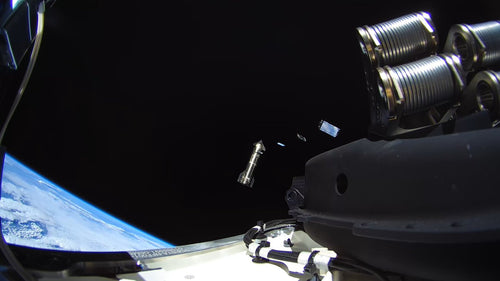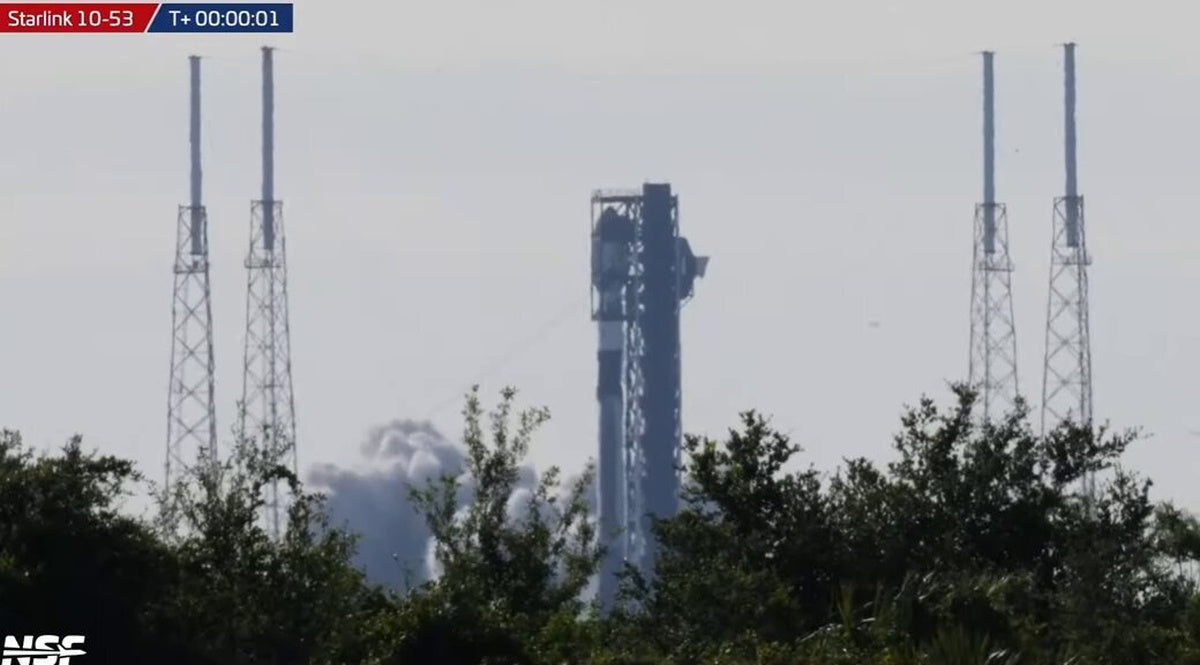
SpaceX successfully launched its Falcon 9 rocket on May 29, 2026, sending 29 Starlink satellites into orbit from Space Launch Complex 40 at Cape Canaveral, Florida. The mission, designated Starlink Group 10-53, lifted off at approximately 12:57 UTC and was broadcast live across X and YouTube.

The booster flying this mission was B1085, making its 16th flight — a testament to the reusability cadence SpaceX has built into the Falcon 9 program. The payload consists of Starlink V2 Mini Optimized satellites, the current generation hardware SpaceX has been deploying at pace throughout 2025 and into 2026 to densify its low-Earth orbit constellation.

NASASpaceflight confirmed the launch designation as Group 10-53, with the rocket departing SLC-40 on schedule. Each successful Starlink deployment adds capacity to a network that now serves millions of subscribers globally, including maritime, aviation, and remote broadband customers — as well as the Starlink connectivity features increasingly integrated into Tesla vehicles. With launches arriving at this frequency, SpaceX continues to set the pace for commercial orbital operations in 2026. For more from the program, see our SpaceX coverage.
Sources & reporting notes
The links below identify the material source records used for this report.
- @NASASpaceflight on X (2026-05-29T12:58:42.000Z) — Direct source
- @SpaceX on X (2026-05-29T12:48:52.000Z) — Direct source
Source links are preserved as published or accessed. See our editorial standards and corrections policy.
The BASENOR Editorial Desk covers Tesla, SpaceX, and related technology, curating reporting from primary sources — official accounts, regulatory filings, and software release data. Every article passes source-record and fact-checking review before publication. About the newsroom.
This report was curated by the BASENOR Editorial Desk from the sources listed above. Read our editorial standards or email editorial@basenor.com to report an error.