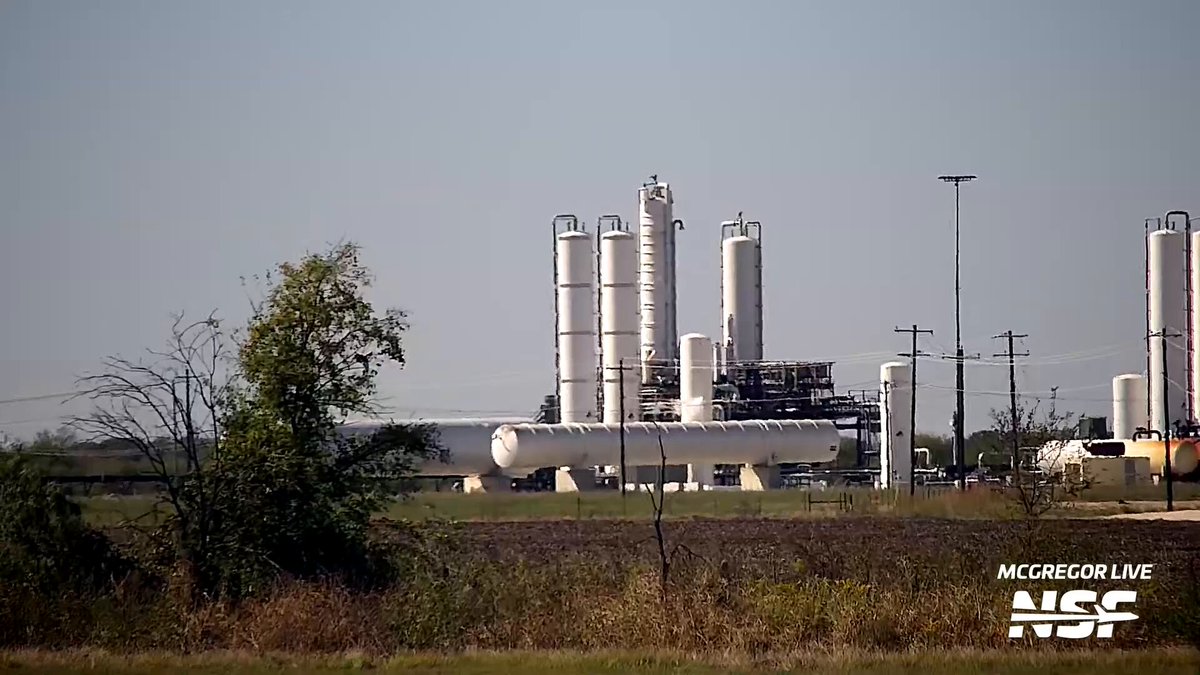
A SpaceX Raptor engine completed a 557-second static fire on the North Stand at McGregor, Texas on October 7, 2026 — the second longest test firing ever recorded for the engine. The only run that lasted longer was a deliberate push to failure, meaning this 557-second result stands as the longest controlled, successful endurance test in Raptor history.

Why 557 Seconds Matters
Nine minutes and seventeen seconds of continuous thrust. That number deserves context.
SpaceX's FCC filings for Starship orbital missions have historically projected upper-stage engine burns in the range of roughly 330 to 390 seconds for orbital insertion. A 557-second endurance test comfortably exceeds those mission-profile requirements, meaning SpaceX is now stress-testing Raptor well beyond what any single Starship flight would demand of it. That margin is exactly what mature rocket programs look like — you want your engines to survive far more than the mission asks of them.
For comparison, a Raptor 3 engine tested at the newer Raptor South stand at McGregor in September 2026 ran for 354 seconds, which was a record for that specific stand. The North Stand result more than doubles that figure.
NASASpaceflight's report also carries a detail worth sitting with: the only Raptor test that ran longer was a run to failure — the team simply kept the engine burning until it gave out. That means today's 557-second result is the longest duration a Raptor has ever fired and then shut down cleanly under controlled conditions. That distinction matters enormously for mission confidence.
The Bigger Picture for Starship
Raptor endurance testing at this level feeds directly into Starship's most ambitious near-term objectives. Extended upper-stage burns are required for deep-space trajectories, lunar surface missions under NASA's Artemis program, and eventually the Mars transit burns that define SpaceX's long-term architecture. Each second added to a successful endurance test is data that tightens the reliability models engineers use when signing off on flight hardware.
The McGregor facility has been running at a high tempo throughout 2026. Multiple Raptor and Raptor 3 engines have cycled through the site in recent months, and the cadence of testing — across both the North and South stands — suggests SpaceX is accumulating a substantial body of long-duration run data ahead of future Starship flight campaigns.
A Raptor engine also suffered a rapid unscheduled disassembly on the North Test Stand back in April 2026, roughly 43 seconds into a test. The contrast between that event and today's 557-second clean shutdown is a reasonable proxy for how much the program has progressed in the intervening months.
What Comes Next
SpaceX has not officially commented on today's test, and the specific Raptor variant used — whether standard Raptor 2, Raptor 3, or a development iteration — has not been confirmed in available reporting. What is confirmed, per NASASpaceflight's on-the-ground coverage, is the duration and the stand location.
The record will likely be challenged again. SpaceX's testing philosophy has always leaned toward pushing hardware to its limits, and with the program's mission profile demands growing, the pressure to extend proven endurance will only increase. Whether the next milestone is 600 seconds or a clean run past the current failure-mode record is an open question — but today's test makes it a more credible one to ask. For our broader SpaceX coverage, follow the tag.
🚀 Following the Starship program? See every test flight, official outcome and the next launch window in our SpaceX Starship Tracker.
Sources & reporting notes
The links below identify the material source records used for this report.
- @NASASpaceflight on X (2026-10-07T21:38:24.000Z) — Direct source
Source links are preserved as published or accessed. See our editorial standards and corrections policy.
The BASENOR Editorial Desk covers Tesla, SpaceX, and related technology, curating reporting from primary sources — official accounts, regulatory filings, and software release data. Every article passes source-record and fact-checking review before publication. About the newsroom.
This report was curated by the BASENOR Editorial Desk from the sources listed above. Read our editorial standards or email editorial@basenor.com to report an error.