
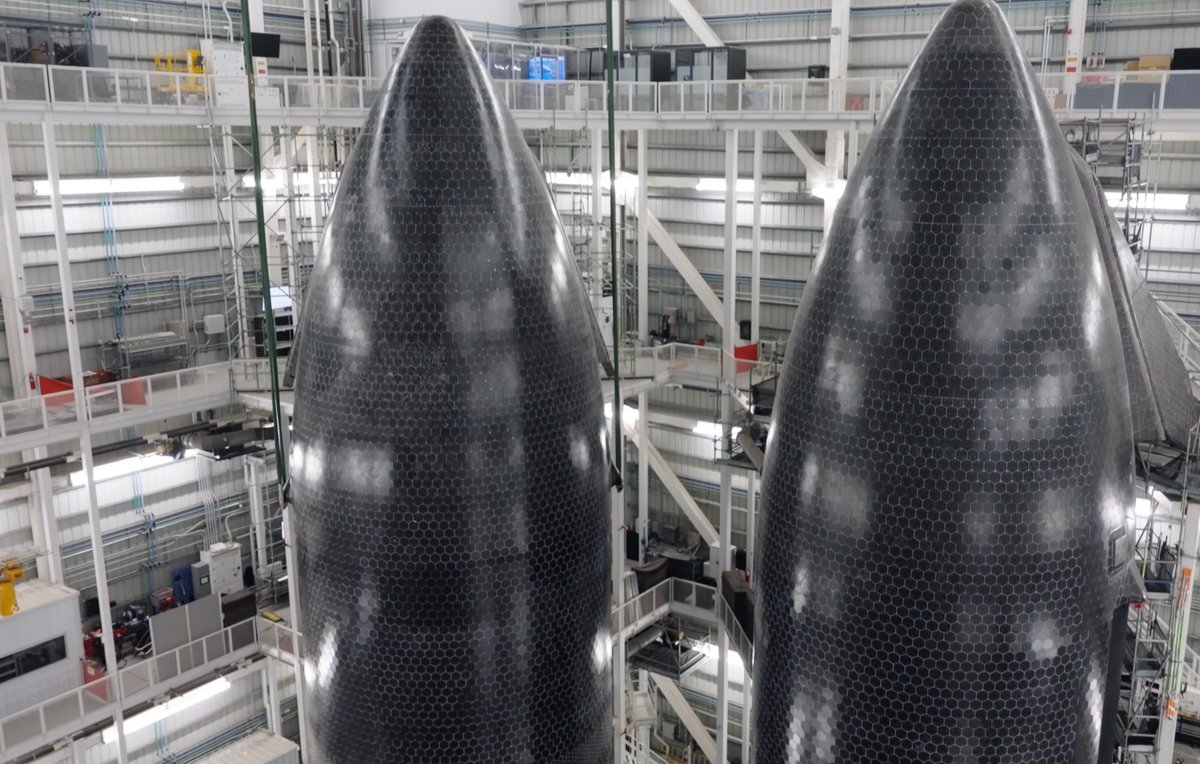
Morgan Stanley analyst Adam Jonas visited SpaceX's Starbase facility in South Texas for Starship Flight 15 and came away with a clear observation: the place barely resembles what it was even a few months ago. His note, shared by Sawyer Merritt, captures a transformation that the raw numbers make hard to argue with — from a scrappy rocket testing site on the Gulf Coast to what is quickly becoming one of the most consequential aerospace and infrastructure hubs in the world.

1. From 25 Launches a Year to 456 — If the FAA Says Yes
Right now, Starbase is authorized for up to 25 Starship launches annually. SpaceX has proposed a two-phase expansion that would change that dramatically. Phase 1 of the FAA's pending Environmental Impact Statement would allow up to 100 Starship/Super Heavy launches and 200 landings per year. Phase 2 goes further — 456 launches and 912 landings annually. The FAA issued a Notice of Intent to prepare that EIS on October 12, 2026, with public comment sessions beginning November 17 in Brownsville. That's an 18x increase in launch tempo if Phase 2 is approved. The regulatory process is still open, but the ambition is clearly on the table.
2. Flight 15 Landed a Milestone Nobody Had Pulled Off Before
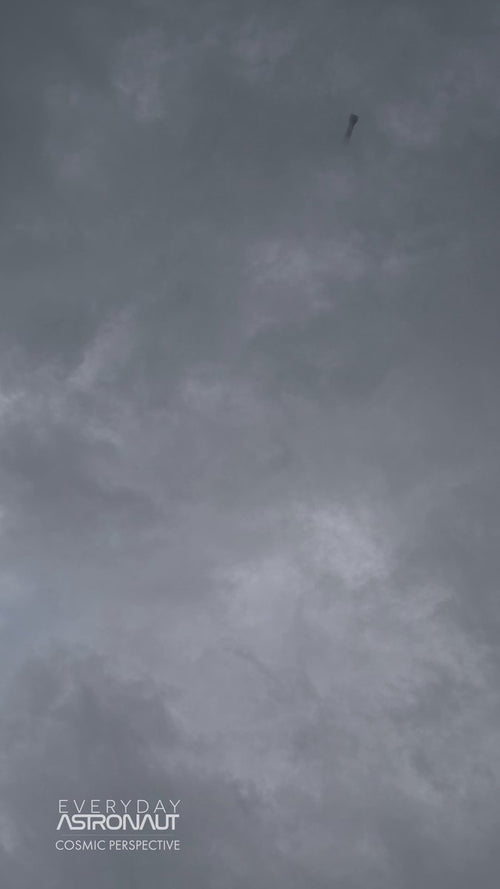
Jonas was at Starbase specifically for Flight 15, which launched November 13, 2026. The headline achievement: the tower at Pad 2 successfully caught Ship 42 — the Starship upper stage — after 14 orbits. It was the first time a Starship upper stage had ever been caught by the mechazilla arms. The mission also deployed 26 Version 3 Starlink satellites. Booster 22 didn't make it back; it was destroyed over the Gulf after calling off its own catch due to running slightly low on fuel. Across all 15 flights to date, Starship has recorded 10 successes and 5 failures — a track record that continues to improve with each iteration.
3. The Gigabay Is Now Operational — and It's Enormous
One of the most visible physical changes at Starbase is the Gigabay, a 380-foot vertical integration building that reached operational status in October 2026. The final roof truss went in on August 16, 2026; the building formally topped out six days later. The first ship workstand was installed October 6, and a 420-ton bridge crane was lifted into position on October 22. This isn't a future facility — it's already being used. The Gigabay represents SpaceX's shift from building rockets in the open air to a controlled, industrial-scale integration environment, a prerequisite for the kind of launch cadence they're proposing.
4. $24 Billion in Supercomputing Investment Is Coming to the Rio Grande Valley
Beyond rockets, SpaceX is planning to invest more than $24 billion in new supercomputing infrastructure in the Rio Grande Valley — on top of the over $15 billion already committed to Starship and related infrastructure at Starbase. The supercompute facility will occupy a 444.45-acre tract near the Port of Brownsville, covered under a 45-year land development deal with Cameron County. It will generate its own electricity via an on-site gas-fired power plant, drawing nothing from the public grid. SpaceX is also committing $220 million to expand Brownsville's water and wastewater infrastructure, targeting 20 million gallons per day of additional capacity. The project is expected to create more than 3,000 construction jobs and over 500 permanent positions.
5. A V4 Starship Is Already in the Roadmap
Even as Flight 15 was still being analyzed, Elon Musk has outlined the next major vehicle iteration. The V4 Starship upper stage will be approximately 70 meters long — a 40% increase over the current V3 — and will carry roughly 60% more propellant. It will run 9 engines, adding 3 more Raptor-Vacuum units compared to the current configuration, all running higher-thrust V4 engines. No launch date has been announced, but the design direction is set. For context: the V3 Starship that caught on Flight 15 is already the most capable version yet flown. The V4 would represent another step-change in what the system can lift and where it can go.
What Jonas observed at Starbase isn't just construction activity — it's the physical expression of a company moving faster than the regulatory and infrastructure systems around it can keep up with. The FAA review, the Gigabay crane lifts, the supercompute land deal: they're all happening in parallel, not in sequence. Whether the launch cadence targets get approved or not, the infrastructure being built today sets the floor for what Starbase becomes in the next five years. For our SpaceX coverage, that trajectory is worth watching closely.
🚀 Following the Starship program? See every test flight, official outcome and the next launch window in our SpaceX Starship Tracker.
Related coverage
Sources & reporting notes
The links below identify the material source records used for this report.
- @SawyerMerritt on X (2026-11-22T21:55:07.000Z) — Direct source
Source links are preserved as published or accessed. See our editorial standards and corrections policy.
The BASENOR Editorial Desk covers Tesla, SpaceX, and related technology, curating reporting from primary sources — official accounts, regulatory filings, and software release data. Every article passes source-record and fact-checking review before publication. About the newsroom.
This report was curated by the BASENOR Editorial Desk from the sources listed above. Read our editorial standards or email editorial@basenor.com to report an error.