Rapper Rick Ross just became Starlink Aviation's most quotable endorser. His description of seamless phone calls through takeoff — 'the phone call don't stop' — is the kind of real-world testimony that no spec sheet can replicate. But behind the celebrity headline is a fast-moving story about satellite internet reshaping how the world flies, at every altitude and budget level.

1. The $700K figure includes more than hardware
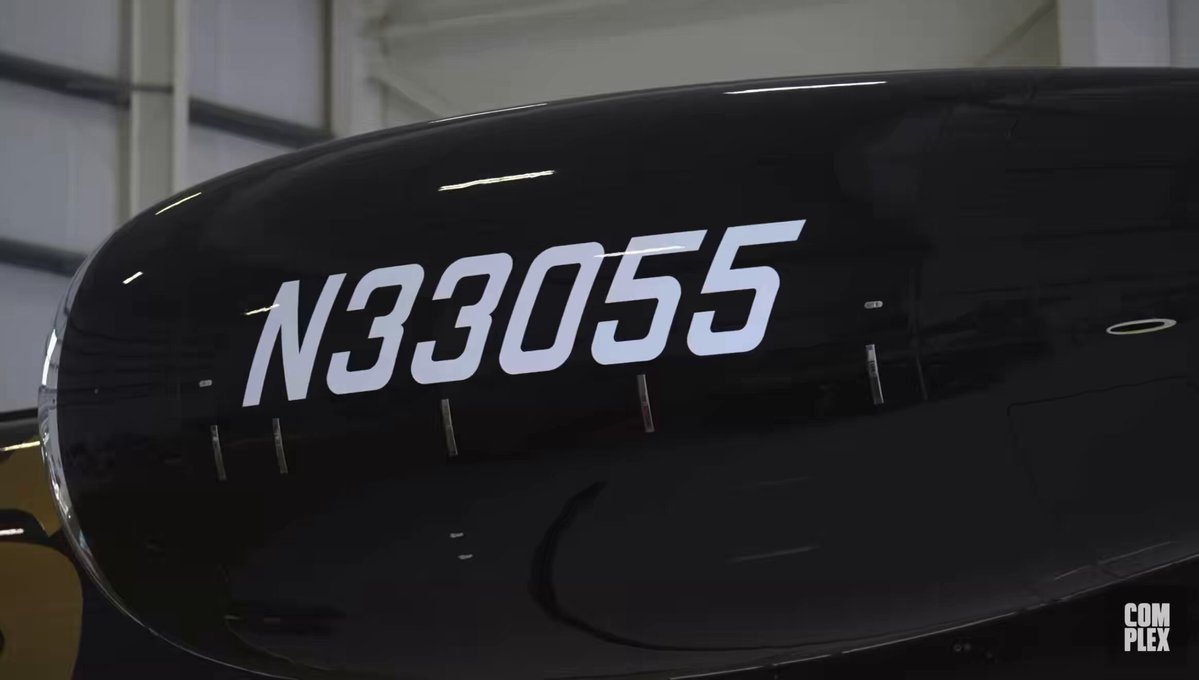
Ross reportedly spent $700,000 total on his Starlink Aviation installation aboard his customized Gulfstream G550. The equipment hardware alone is priced at $200,000 per business jet — itself a significant jump from the previous $145,000 price point, a roughly 38% increase that took effect around July 2026. The remaining cost covers installation, certification work, and likely prepaid service. Getting a Starlink antenna certified and physically integrated into a business jet is not a plug-and-play job; it involves FAA supplemental type certificate (STC) processes and specialized avionics shops.
2. Monthly service costs have risen sharply alongside hardware
The hardware price hike was not the only change. Starlink restructured its aviation service plans in March 2026, with new pricing effective August 7, 2026. The top-tier Aviation Global Unlimited plan doubled from $10,000 to $20,000 per month. A new mid-tier Aviation Regional Unlimited plan was introduced at $12,500 per month, and the Aviation Regional 25GB plan moved from $2,000 to $4,000 per month. For operators who fly globally and need uninterrupted coverage — exactly Ross's use case — the Global Unlimited plan is the relevant tier. At $20,000 per month, annual service costs alone reach $240,000, meaning the hardware is not even the biggest long-term expense.
3. The performance behind the experience is genuinely impressive
Ross's description of uninterrupted calls through takeoff is consistent with what independent testing shows. Starlink Aviation typically delivers download speeds between 135 and 310 Mbps, with peak speeds reported above 450 Mbps. Upload speeds run 20–44 Mbps, and latency holds consistently under 99 ms. Real-world testing on a United Airlines flight in August 2026 recorded reliable downloads above 370 Mbps at cruise altitude. The Aviation Global Unlimited plan with the Performance Antenna advertises speeds up to 1 Gbps. For context, most in-flight Wi-Fi systems that passengers tolerate today struggle to break 10 Mbps across a full cabin — Starlink is operating in a different category entirely.
4. Commercial aviation adoption is accelerating fast
The private jet story is visible, but the commercial rollout is where scale comes in. As of April 2026, 36 major airlines had committed to Starlink Aviation. By early August 2026, more than 1,400 commercial aircraft globally had Starlink hardware installed. United Airlines alone had equipped over 300 regional jets by February 2026 and is targeting more than 800 aircraft completed by end of 2026, with full fleet completion expected by late 2027. By the end of 2025, more than 2,000 business aviation and VIP airliner airframes worldwide had already been certified or equipped — meaning the business jet market that Ross represents was actually an early adopter segment, not a laggard.
5. Smaller aircraft operators have a very different price reality
The $200,000 hardware cost and $20,000 monthly plans are business jet numbers. Starlink's General Aviation tier, designed for smaller aircraft flying at lower speeds, operates on an entirely different pricing structure. Those plans start at $200 per month for 50GB of local coverage (up to 300 mph) or $1,000 per month for 50GB of global coverage (up to 450 mph). The recent business aviation price hikes did not affect the General Aviation plans. That tiered structure suggests SpaceX is deliberately segmenting the market — extracting premium pricing from operators who can absorb it while keeping the door open for the broader piston and turboprop fleet.
The Ross endorsement is a cultural moment, but the underlying numbers tell a more durable story: Starlink Aviation has moved from an expensive novelty to a rapidly standardizing infrastructure layer for air travel. The question for the next 18 months is whether the aggressive pricing increases will slow adoption in the mid-market business aviation segment, or whether the performance gap over legacy systems is simply too large to ignore.
Sources & reporting notes
The links below identify the material source records used for this report.
- @SawyerMerritt on X (2026-08-18T19:12:26.000Z) — Direct source
Source links are preserved as published or accessed. See our editorial standards and corrections policy.
The BASENOR Editorial Desk covers Tesla, SpaceX, and related technology, curating reporting from primary sources — official accounts, regulatory filings, and software release data. Every article passes source-record and fact-checking review before publication. About the newsroom.
This report was curated by the BASENOR Editorial Desk from the sources listed above. Read our editorial standards or email editorial@basenor.com to report an error.