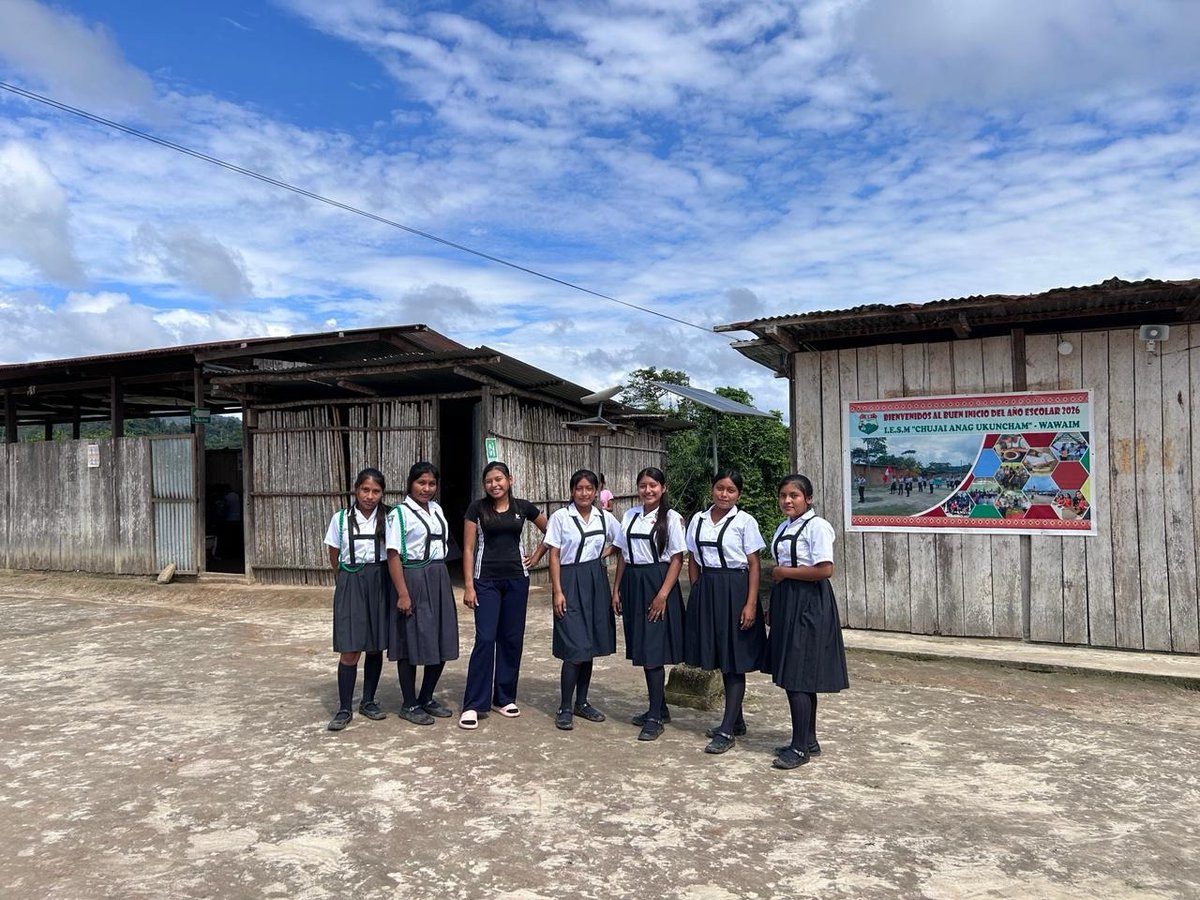
Starlink has teamed up with Ensena Perú and Yape — the mobile payment arm of BCP — to bring satellite internet to more than 30,000 students across underserved communities in Peru. The program is one of the more concrete examples of Starlink's low-Earth orbit network being deployed for social impact rather than commercial broadband, and the scale is notable: 156 antennas donated, 150 schools connected, nine regions covered.

According to reporting from corresponsables.com, the initiative benefits over 36,000 people in total when teachers are included alongside students. Yape financed the logistics of installation and the ongoing internet plans, while Ensena Perú — an NGO focused on educational equity — manages pedagogical support and trains teachers in digital tool usage. Both organizations are actively monitoring antenna performance in the field.
The geographic reach tells the real story. The program spans Lima and eight additional regions: Amazonas, Ancash, Arequipa, Ayacucho, Huancavelica, Ica, La Libertad, and Piura. Many of these areas sit in terrain where traditional fiber or fixed wireless infrastructure is either cost-prohibitive or physically impractical to deploy — exactly the use case Starlink's constellation was engineered for. As of 2024, roughly 62% of Peru's 71,000 educational facilities had no internet connection at all, a gap this initiative begins to address in a measurable way.
For Starlink's broader trajectory, partnerships like this one reinforce the network's positioning beyond consumer and enterprise broadband. Whether similar models scale to other Latin American countries — where connectivity gaps in rural education are similarly acute — will be worth watching over the next year.
Sources & reporting notes
The links below identify the material source records used for this report.
- @Starlink on X (2026-06-21T19:02:46.000Z) — Direct source
Source links are preserved as published or accessed. See our editorial standards and corrections policy.
The BASENOR Editorial Desk covers Tesla, SpaceX, and related technology, curating reporting from primary sources — official accounts, regulatory filings, and software release data. Every article passes source-record and fact-checking review before publication. About the newsroom.
This report was curated by the BASENOR Editorial Desk from the sources listed above. Read our editorial standards or email editorial@basenor.com to report an error.