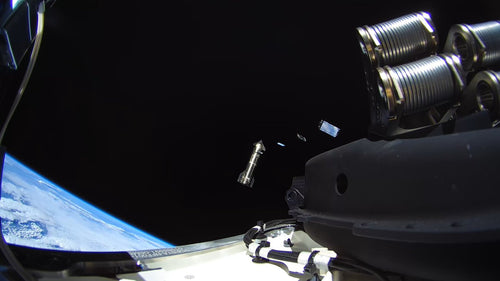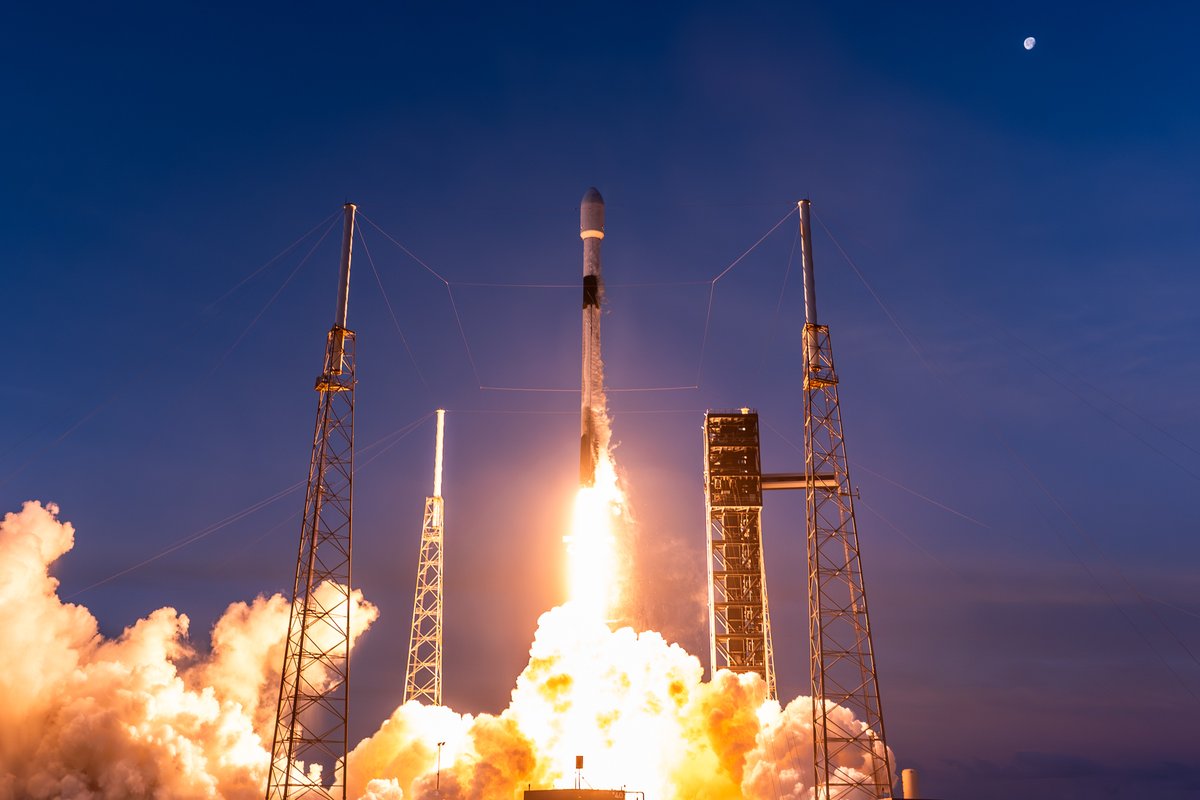
SpaceX's Starlink network has crossed a landmark threshold: more than 10,000 operational satellites are now circling Earth. Elon Musk confirmed the milestone with a characteristically brief post on X, noting that a fresh batch of 29 satellites pushed the constellation past the five-digit mark. It's a number that would have seemed implausible when the first 60 Starlink satellites launched in May 2019 — and it signals just how rapidly low-Earth orbit is being reshaped.

The Numbers Behind the Milestone
The 10,000-active-satellite threshold was first crossed on March 17, 2026, according to tracking data. By early June, the count had climbed further: astronomer Jonathan McDowell's independent tracking put the figure at 10,397 working satellites as of June 1, with satellitemap.space reporting 10,555 active craft by June 4. SpaceX has launched 11,529 Starlink satellites in total since the program began — the gap between launches and active units reflects satellites that have been deorbited or replaced as newer hardware generations roll out.
The current fleet spans several hardware variants, including v1.5, v2 mini, and v2 mini d2c models. Each V2-generation satellite weighs approximately 1,760 lbs (800 kg) at launch — substantially larger than earlier versions, and capable of delivering significantly more bandwidth per unit.
A Network in Active Reconfiguration
Hitting 10,000 satellites isn't just a headcount story. Starlink is simultaneously undergoing a significant orbital reconfiguration in 2026, lowering roughly 4,400 satellites from their standard ~550 km operating altitude down to ~480 km. SpaceX says the maneuver is designed to improve space safety and is being coordinated closely with other operators and regulators. It's a logistical undertaking at a scale no other commercial operator has attempted.
The business side of the network is equally striking. Starlink now provides internet coverage across approximately 150 countries and territories, and as of February 2026 the service had surpassed 10 million active customers — a subscriber base that has grown faster than most analysts projected even two years ago.
How Far It Can Still Go
Ten thousand is a milestone, but it's nowhere near the ceiling. SpaceX holds regulatory approval to expand the Starlink constellation to roughly 42,000 satellites, and the company has filed for authorization to deploy nearly 30,000 additional Gen2 units beyond that. If those approvals are granted and launches continue at their current cadence, the constellation could eventually be three to four times its present size.
That trajectory matters for anyone who relies on — or competes with — satellite internet. A denser constellation means lower latency, higher capacity per region, and the ability to serve more users simultaneously. It also raises the stakes for ongoing debates about orbital congestion and coordination with other space operators, a conversation that the altitude-lowering reconfiguration is clearly designed to get ahead of.
From 60 satellites in 2019 to more than 10,000 active craft in 2026 is a pace of growth with no real precedent in the history of spaceflight. The next question is whether the demand side — subscribers, enterprise contracts, government partnerships — can keep up with the supply SpaceX is building overhead. For our SpaceX coverage, that's the thread worth watching.
Sources & reporting notes
The links below identify the material source records used for this report.
- @elonmusk on X (2026-06-05T07:19:15.000Z) — Direct source
Source links are preserved as published or accessed. See our editorial standards and corrections policy.
The BASENOR Editorial Desk covers Tesla, SpaceX, and related technology, curating reporting from primary sources — official accounts, regulatory filings, and software release data. Every article passes source-record and fact-checking review before publication. About the newsroom.
This report was curated by the BASENOR Editorial Desk from the sources listed above. Read our editorial standards or email editorial@basenor.com to report an error.