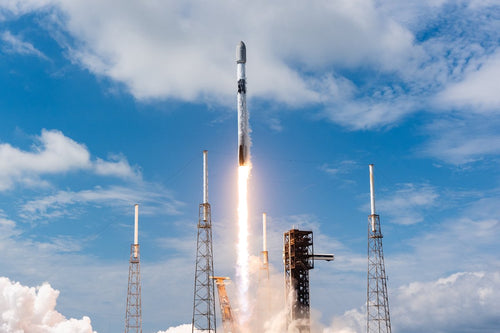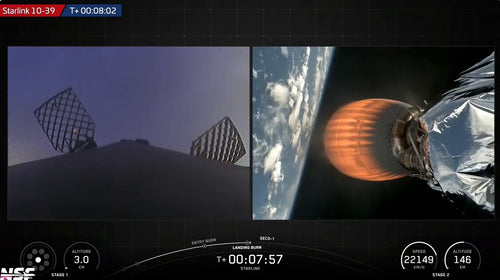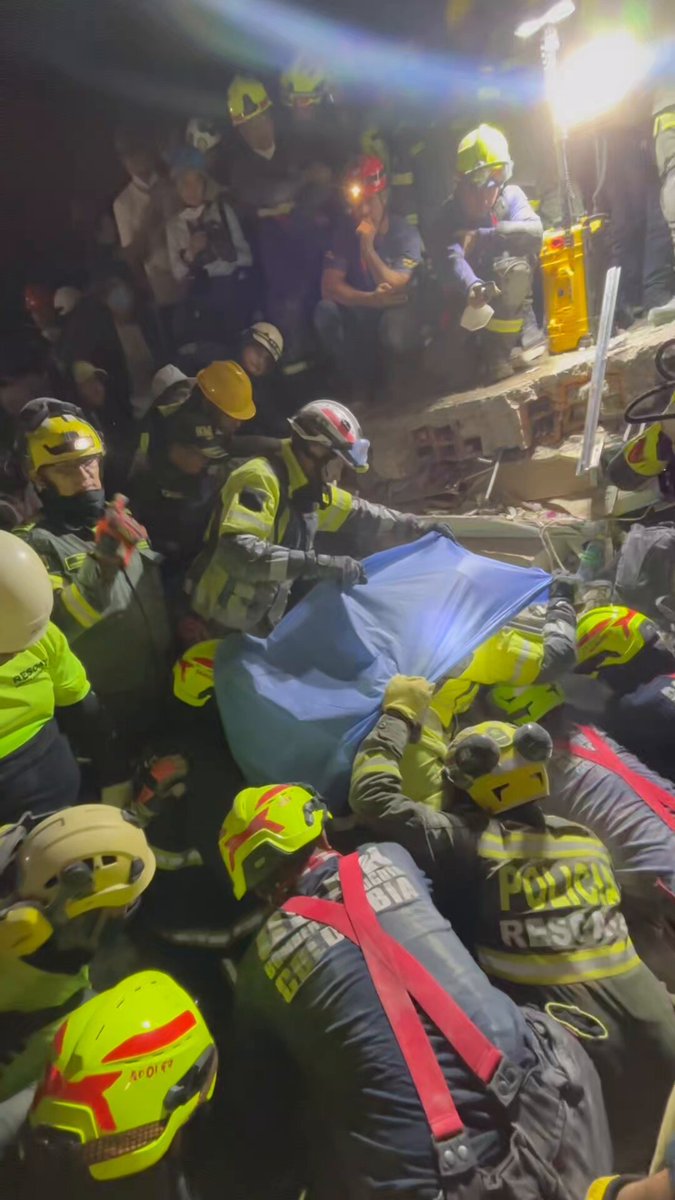
Three days after a 7.4-magnitude earthquake tore through western Colombia's Chocó department, Starlink has moved from standby to active deployment — partnering with the country's national disaster management agency, UNGRD, to restore internet access across some of the hardest-hit communities. It's a real-world stress test of satellite internet's humanitarian value, and the response has been notably fast.

What Happened on August 10
The earthquake struck at 7:34 AM local time on Monday, August 10, with its epicenter near San José del Palmar in Chocó — a mountainous, largely rural department where terrestrial infrastructure was already limited before the disaster. The quake caused widespread damage and knocked out power, cellular, and fixed-line internet services across multiple departments, according to reporting from usgs.gov and colombiaone.com. The affected regions include Chocó, Caldas, Valle del Cauca, Risaralda, and Quindío — a broad swath of western Colombia where emergency coordination depends entirely on functional communications.
When ground-based networks go down in a seismic event, the communication gap isn't just an inconvenience — it directly slows search-and-rescue coordination, medical triage, and supply routing. That's the gap Starlink is designed to fill.
The Response: Free Service Through September 12
Starlink announced on August 11 — less than 24 hours after the quake — that it would provide free satellite internet to customers in the affected departments through September 12, 2026, according to information published on starlink.com. The program covers a range of scenarios:
- Active customers in the impacted areas receive an automatic service credit — no action required.
- Previously canceled customers also receive a credit, allowing them to reactivate existing hardware immediately.
- New customers who purchase Starlink equipment in the affected departments need to contact Starlink support after purchase to request the free service activation.
- Damaged hardware is being replaced at no cost — affected owners should reach out to customer support to arrange a replacement kit.
UNGRD publicly confirmed its deployment of Starlink antennas for emergency response on August 12, the day before Starlink's own announcement on X. The coordination between a private satellite operator and a national civil defense agency reflects a model that has been building for at least a year: in 2025, UNGRD deployed Starlink terminals following an earlier Colombian earthquake, and SpaceX subsequently donated 56 Starlink terminals to the agency to bolster its standing emergency communications capability, according to background research from multiple sources.
Why This Deployment Matters Beyond Colombia
The Colombia response is the latest data point in a growing pattern of Starlink activations during natural disasters — from floods in Brazil to earthquakes in Turkey and Morocco. What's notable here is the speed of the institutional response: a pre-existing government partnership with UNGRD meant that terminals were already in-country and protocols were already established. The 56 donated terminals from 2025 weren't sitting in a warehouse waiting for paperwork — they were ready to deploy.
That pre-positioning model is increasingly how Starlink's disaster response works. Rather than shipping hardware into an active crisis zone (which can take days), the company has been seeding terminals with national emergency agencies in earthquake- and hurricane-prone countries ahead of events. When a disaster hits, the hardware is already there; what Starlink activates remotely is the service itself.
For SpaceX, each humanitarian deployment also serves as a visible proof point for Starlink's core infrastructure pitch to governments: that low-earth-orbit satellite internet isn't just a consumer product, but a resilience layer for national communications. That argument is increasingly landing — UNGRD's partnership predates this specific earthquake, which means Colombia had already made a policy decision to integrate Starlink into its emergency framework before August 10.
The affected communities in Chocó and the surrounding departments are among the more remote in Colombia, where terrestrial broadband coverage has historically been sparse. For those areas, Starlink may not just be the fastest path back to connectivity after the earthquake — it may be the only path for the foreseeable future. Whether the free service window through September 12 proves sufficient for the recovery timeline remains an open question as damage assessments continue. For more on SpaceX's broader connectivity initiatives, see our SpaceX coverage.
Sources & reporting notes
The links below identify the material source records used for this report.
- @Starlink on X (2026-08-13T20:03:42.000Z) — Direct source
Source links are preserved as published or accessed. See our editorial standards and corrections policy.
The BASENOR Editorial Desk covers Tesla, SpaceX, and related technology, curating reporting from primary sources — official accounts, regulatory filings, and software release data. Every article passes source-record and fact-checking review before publication. About the newsroom.
This report was curated by the BASENOR Editorial Desk from the sources listed above. Read our editorial standards or email editorial@basenor.com to report an error.