Elon Musk confirmed it with a two-flag tweet early Saturday: Starlink is now available in Venezuela. Behind that brief announcement is a surprisingly detailed regulatory and commercial framework that went into place on October 9, 2026 — and it tells a more complete story than the post lets on.

1. Venezuela's telecom regulator granted seven concessions in a single day
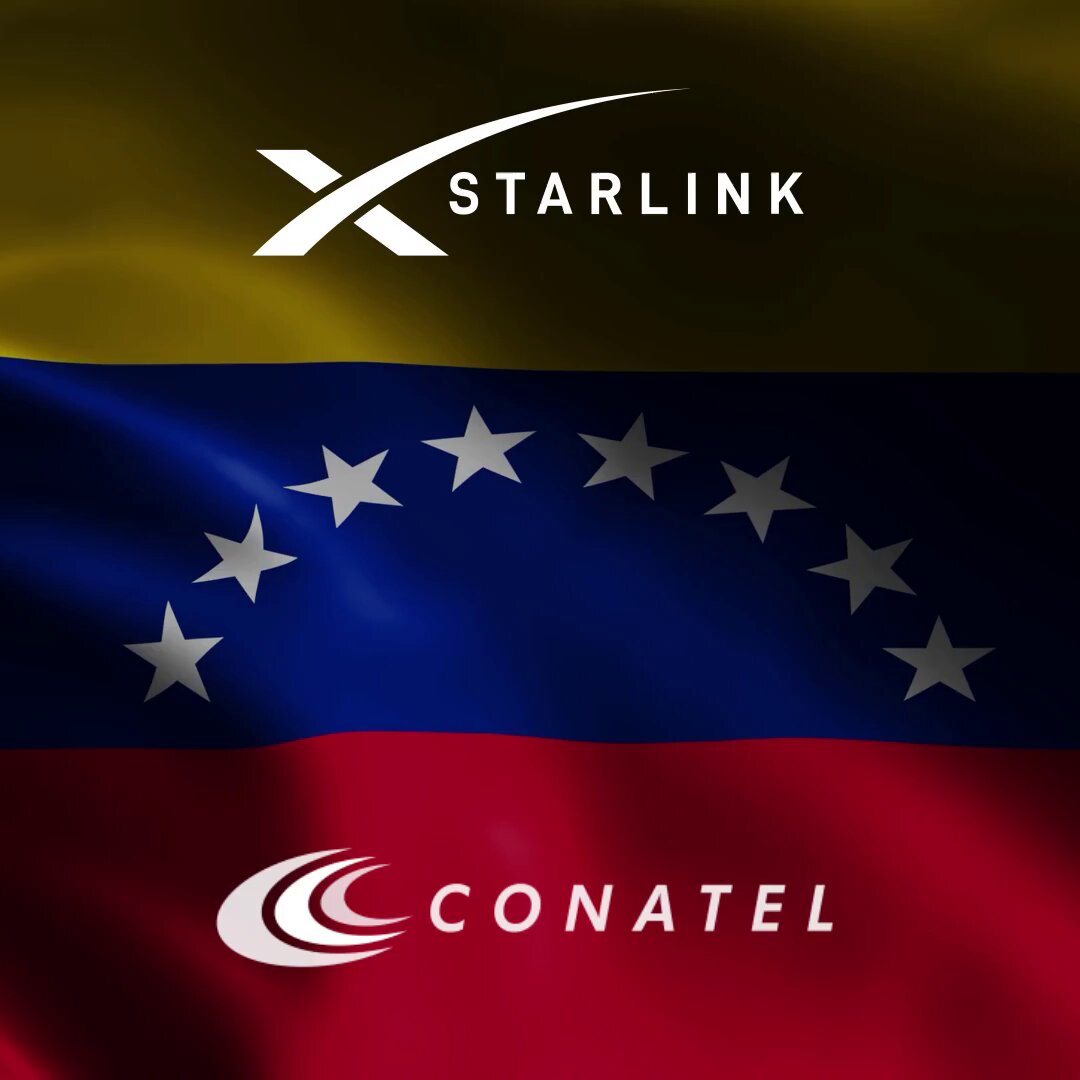
On October 9, 2026, Venezuela's National Telecommunications Commission (Conatel) formally authorized SpaceX VZ, S.C.A. to operate across the entire national territory. The authorization wasn't a single permit — it covered a general enabling license plus seven separate concessions in the Ku band. On the same day, acting president Delcy Rodríguez signed a government agreement with SpaceX to officially greenlight commercial service. That's a full regulatory stack completed in one sitting, which is notable for a country that has historically moved slowly on foreign tech authorizations.
2. Starlink has actually been available since February — this formalizes it
Musk's announcement may read like a launch, but Starlink quietly became available to Venezuelan customers as far back as February 4, 2026. At that point, service was accessible via newly purchased kits from authorized retailers, through existing Roam service plans, or via bring-your-own-device (BYOD) activation. What changed on October 9 is the legal standing: Starlink now has a formal domicile in Venezuela, is subject to national regulations, and Venezuelans can pay through the domestic banking system and receive hardware at home. The difference between February and now is the difference between gray-market access and a fully sanctioned commercial operation.
3. Hardware starts at $269, monthly plans from $40
According to pricing data from March 2026, the Starlink Mini retails at $269 (with a promotional offer of $150 through authorized retailer Soytechno), the Starlink V4 at $469, and the Starlink V2 at $445. Residential service plans start from $40 per month, with an initial 50% discount advertised at launch. New residential activations from March 6, 2026 onward may include a one-time high-demand supplement. For context, those entry-level figures are competitive with what Starlink charges in other Latin American markets, and the Mini's discounted price point makes it accessible relative to regional income levels.
4. Authorized retailers are already in place
This isn't a pre-order situation. Authorized Starlink dealers in Venezuela — Daka, Multimax, and Soytechno — are already operating. That retail infrastructure being live at the time of the formal authorization suggests SpaceX and the Venezuelan government coordinated the commercial rollout well ahead of the regulatory announcement. Buyers should note that each Venezuelan account is limited to one kit, and the local residential subscription is tied to a fixed service address. Roam plans remain available for those who need mobility.
5. A 2026 earthquake emergency helped pave the way
Conatel's formal authorization statement noted that the regulatory approval followed technical cooperation during Venezuela's June 2026 earthquake emergency, during which Starlink equipment was deployed for disaster relief communications. That real-world test — Starlink providing connectivity when terrestrial infrastructure was compromised — appears to have accelerated the government's willingness to formalize the commercial relationship. It's a pattern SpaceX has used effectively in other markets: demonstrate value during a crisis, then convert emergency access into a permanent commercial license.
Venezuela joins a growing list of Latin American countries with full Starlink authorization. For SpaceX, the combination of a formal government agreement, an established retail network, and a disaster-relief track record makes this one of the more structurally solid market entries in the region. For Venezuelans, the bigger shift is the ability to pay domestically and receive hardware through local channels — removing the friction that made earlier access possible in theory but difficult in practice. For more on SpaceX's global expansion, see our SpaceX coverage.
Sources & reporting notes
The links below identify the material source records used for this report.
- @elonmusk on X (2026-10-10T03:23:43.000Z) — Direct source
Source links are preserved as published or accessed. See our editorial standards and corrections policy.
The BASENOR Editorial Desk covers Tesla, SpaceX, and related technology, curating reporting from primary sources — official accounts, regulatory filings, and software release data. Every article passes source-record and fact-checking review before publication. About the newsroom.
This report was curated by the BASENOR Editorial Desk from the sources listed above. Read our editorial standards or email editorial@basenor.com to report an error.