📌 UPDATE — August 17, 2026
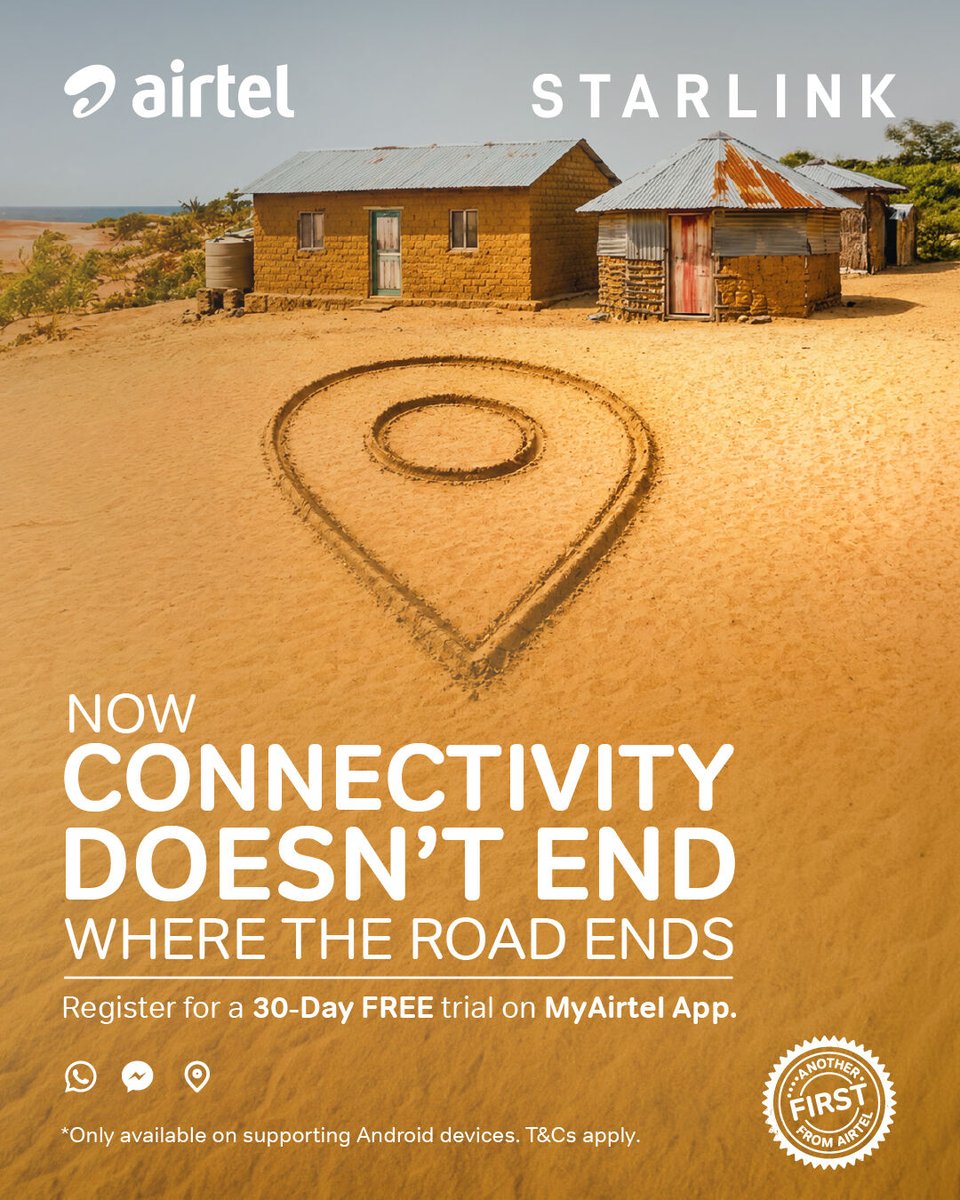
Airtel Africa and SpaceX have officially launched Starlink Mobile commercially in the Democratic Republic of the Congo, confirming it as the first live commercial deployment of the service on the African continent. Eligible Airtel subscribers can now sign up directly through the MyAirtel app and receive a 30-day free trial to get started. The service enables users to send SMS messages and access data connectivity via satellite on standard mobile devices — no new hardware required. This moves the DRC launch from announced to fully active, with real customers able to onboard today.

via @SawyerMerritt · Aug 17, 2026
Starlink Mobile is now live in the Democratic Republic of Congo, making the DRC the first country in Africa to activate SpaceX's direct-to-cell satellite service. The launch, announced August 14 in partnership with AirtelRDC, brings connectivity to millions of people in areas with no terrestrial mobile infrastructure — no dish, no router, no extra hardware required.

1. This Is a Continent-First
The DRC deployment is the first commercial activation of Starlink's satellite-to-mobile service anywhere in Africa. The partnership between Airtel Africa and SpaceX was first announced in December 2025, with a stated goal of rolling the technology out across all 14 of Airtel Africa's operating markets. The DRC is market one. According to reporting from multiple telecom publications, a pilot of Starlink Mobile data and messaging services was tested in Kenya in March 2026 before this commercial launch.
2. It Works on Phones You Already Own
No satellite terminal. No external antenna. The service connects compatible LTE Android smartphones directly to Starlink's satellite constellation without any additional hardware. Apple device support is anticipated in the future, according to background research, but is not available at launch. If you have a supported Android handset and an Airtel SIM, you're potentially eligible.
3. The Use Case Is Messaging, Not Streaming
This is not a broadband replacement. Current speeds run below 1 megabit per second — enough for WhatsApp messages and SMS, not video calls or web browsing. Starlink has indicated that next-generation satellites are expected to deliver roughly 20x the current data speeds, which would open up significantly more use cases. For now, the service is designed for connectivity in areas where any signal at all is the upgrade.
4. The Satellite Fleet Behind It
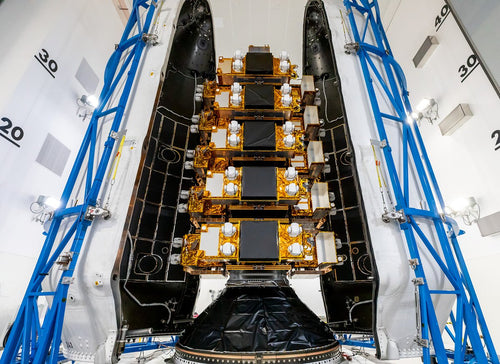
The direct-to-cell service runs on a dedicated constellation of 650 Starlink satellites, separate from the standard broadband dish-based service. These satellites are purpose-built to communicate with ordinary LTE handsets, which is what makes the no-hardware model possible. Expanding coverage depth and speed depends on continued satellite launches into this specific constellation.
5. There's a Free Trial on the Table
Eligible AirtelRDC customers are being offered a 30-day free trial of the service. After the trial period, access will be bundled into eligible Airtel data plans rather than sold as a standalone subscription. Pricing details beyond that framework have not been publicly disclosed, but the bundle model suggests Airtel will absorb the service into existing commercial tiers.
6. Thirteen More Markets Are in the Pipeline
The Airtel Africa–Starlink agreement covers all 14 of Airtel's African markets. The DRC is the first activation, which means Nigeria, Kenya, Tanzania, Uganda, Rwanda, Zambia, Malawi, Madagascar, Seychelles, Niger, Chad, the Republic of Congo, and Gabon are all potential future rollout destinations. No timeline has been announced for subsequent markets, but the Kenya pilot in March 2026 suggests that country may be next in line.
For SpaceX, the DRC launch is the first proof point that the direct-to-cell model can work at commercial scale on the African continent. The harder question — whether sub-1 Mbps speeds are compelling enough to drive meaningful adoption before next-gen satellites arrive — will be answered by the 30-day trial data. Watch for Airtel's subscriber numbers in the coming months. For our full SpaceX coverage, including Starlink milestones, check the archive.
Sources & reporting notes
The links below identify the material source records used for this report.
- @Starlink on X (2026-08-14T18:42:06.000Z) — Direct source
Source links are preserved as published or accessed. See our editorial standards and corrections policy.
The BASENOR Editorial Desk covers Tesla, SpaceX, and related technology, curating reporting from primary sources — official accounts, regulatory filings, and software release data. Every article passes source-record and fact-checking review before publication. About the newsroom.
This report was curated by the BASENOR Editorial Desk from the sources listed above. Read our editorial standards or email editorial@basenor.com to report an error.