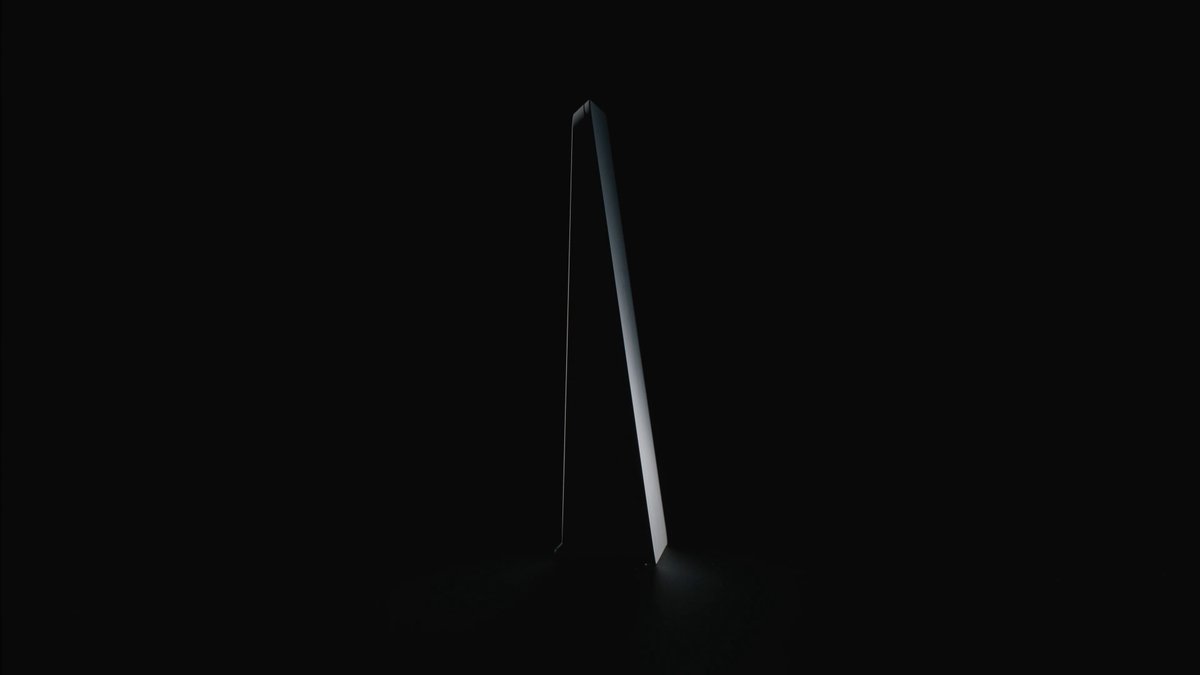
SpaceX's Starlink has officially unveiled the next generation of its home networking hardware. The Starlink Router 4 is the company's first router built around a Wi-Fi 7 chipset, and it lands with meaningful upgrades on coverage, device density, and peak throughput. It's a clear signal that Starlink is done treating the router as an afterthought bundled with the dish — this is a real networking product aimed at households that have outgrown the earlier Gen 2 and Gen 3 units.
The announcement went out on September 9, 2026, via Starlink's official X account, alongside supporting product pages published the same day on Starlink.com. Availability is described as "soon in select areas," and pricing has not yet been disclosed.

What Starlink Announced
Starlink's message was short and specification-heavy: Router 4 delivers faster peak speeds, coverage up to 3,500 sq ft (325 m²), and is built for streaming, gaming, and everyday use. Sawyer Merritt's breakdown added the finer details — 0.9 lbs (0.4 kg), support for up to 510 simultaneously connected devices, and faster client connections courtesy of the new chipset.
According to Starlink's newly published support pages, Router 4 runs a tri-band 2.4 GHz and 5 GHz radio configuration — notably without a 6 GHz band, which means it uses Wi-Fi 7 features on the existing bands rather than the new spectrum many consumer Wi-Fi 7 routers rely on. It supports MU-MIMO, OFDMA, and WPA3 security, and includes two Ethernet ports with Power over Ethernet (PoE) capability on both.
Key Specifications
| Specification | Router 4 |
|---|---|
| Wi-Fi Standard | Wi-Fi 7 (tri-band, 2.4 & 5 GHz — no 6 GHz) |
| Coverage | Up to 3,500 sq ft (325 m²) |
| Simultaneous Devices | Up to 510 |
| Weight | 0.9 lbs (0.4 kg) |
| Ethernet Ports | 2 (both PoE-capable) |
| Security | WPA3 |
| Ingress Protection | IP56 water-resistant port covers |
| Other | MU-MIMO, OFDMA, factory reset button, LED indicator |
How We Got Here
The unveiling wasn't a total surprise. According to ISPreview and PCMag, SpaceX received FCC approval for a Wi-Fi 7 router (model UTR-261) back in August 2026, which telegraphed that a hardware refresh was imminent. Starlink's previous-generation routers — the Gen 2 and Gen 3 units — used Wi-Fi 5 and Wi-Fi 6 respectively, and the Gen 3 had drawn regular criticism from power users for coverage limitations in larger homes and mesh reliability in multi-node setups.
Router 4 addresses both complaints directly. The 3,500 sq ft coverage figure is a meaningful jump over Gen 3's roughly 2,000 sq ft claim, and Starlink is explicitly positioning the tri-band radio setup as being tuned for stronger mesh performance rather than chasing 6 GHz spectrum. That's a defensible engineering choice — 6 GHz has shorter range and would work against the coverage story Starlink is telling.
Compatibility and the Dual PoE Angle
Starlink's support documentation lists Router 4 as compatible with a wide slate of existing dishes: Router Mini, Standard 4, Standard 4 X, Starlink Mini, Starlink Performance (Gen 1), and the original Starlink Standard Circular. That's important — customers who bought the Standard Actuated (rectangular) dish in the last few years won't be forced to upgrade the antenna to use the new router.
The bigger structural story is Dual PoE. Router 4 will serve as the main Wi-Fi router for Starlink's Dual PoE kits — both the Standard 4 Upgrade Kit and any new kits that ship with Router 4 pre-bundled. Both Ethernet ports supporting PoE means Starlink is quietly building toward a more flexible home installation model where the dish, mesh nodes, and potentially third-party PoE devices can all be powered off the router itself. That's a real advantage for RV, boat, and rural installs where minimizing power runs matters.
What Starlink Hasn't Said Yet
Two important gaps remain in the announcement:
- Standalone price. Starlink hasn't published a standalone MSRP for Router 4. The broader Starlink Version 4 hardware bundle (dish + router) is typically listed at $599 for new US residential customers, with promotional pricing that has gone as low as $1 upfront in some markets and $399 for refurbished units, but the Router 4 as an à la carte upgrade has no confirmed price yet.
- Rollout regions and dates. "Available soon in select areas" is the only availability language Starlink has given. Historically, the company has launched hardware refreshes in the US and select European markets first, with Canada, Australia, and Latin America following in the weeks after. Expect a similar cadence but treat any specific date as unconfirmed until Starlink says so.
Why It Matters
For Starlink subscribers who've been running Gen 2 routers behind their dish — or worse, immediately bypassing the stock router with a third-party mesh system — Router 4 is the first Starlink-made router that's actually competitive with mid-range consumer Wi-Fi 7 equipment on paper. The 510-device capacity is aimed squarely at the small-business, multi-family, and heavily-connected-smart-home segments that have quietly become a significant chunk of Starlink's residential base.
It also matters for Tesla owners who use Starlink at home. A more capable home router means better bandwidth headroom for large Tesla OTA downloads, Sentry Mode clip uploads to home NAS setups, and TeslaMic or in-car streaming when the vehicle is parked on the home Wi-Fi network. Starlink hasn't made that pitch explicitly, but it's the practical benefit for the overlap between Starlink and Tesla households.
What to Watch Next
- Standalone pricing and whether Starlink offers a discounted upgrade path for existing Gen 2/Gen 3 customers.
- Confirmed launch regions — the FCC approval covered the US, but EU and CE-region rollouts will need separate regulatory sign-off.
- Independent testing of the tri-band Wi-Fi 7 implementation. Wi-Fi 7 without 6 GHz is an unusual configuration and real-world throughput numbers will tell us whether Starlink's engineering trade-off holds up.
- Whether Router 4 unlocks new Dual PoE deployment modes for RV and marine installs, which is where the two PoE-capable ports get most interesting.
The Router 4 announcement is the clearest signal yet that Starlink is treating the last-mile network hardware — not just the constellation — as a product worth iterating on. Now we wait to see when it actually ships, what it costs, and whether the Wi-Fi 7 performance claims hold up outside of a marketing video.
Sources & reporting notes
The links below identify the material source records used for this report.
- @Starlink on X (2026-09-09T19:33:46.000Z) — Direct source
- @SawyerMerritt on X (2026-09-09T19:40:44.000Z) — Direct source
Source links are preserved as published or accessed. See our editorial standards and corrections policy.
The BASENOR Editorial Desk covers Tesla, SpaceX, and related technology, curating reporting from primary sources — official accounts, regulatory filings, and software release data. Every article passes source-record and fact-checking review before publication. About the newsroom.
This report was curated by the BASENOR Editorial Desk from the sources listed above. Read our editorial standards or email editorial@basenor.com to report an error.