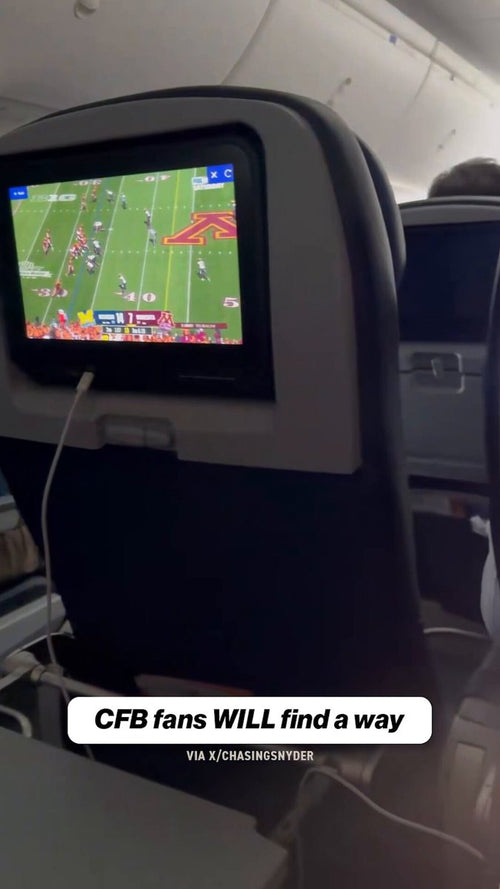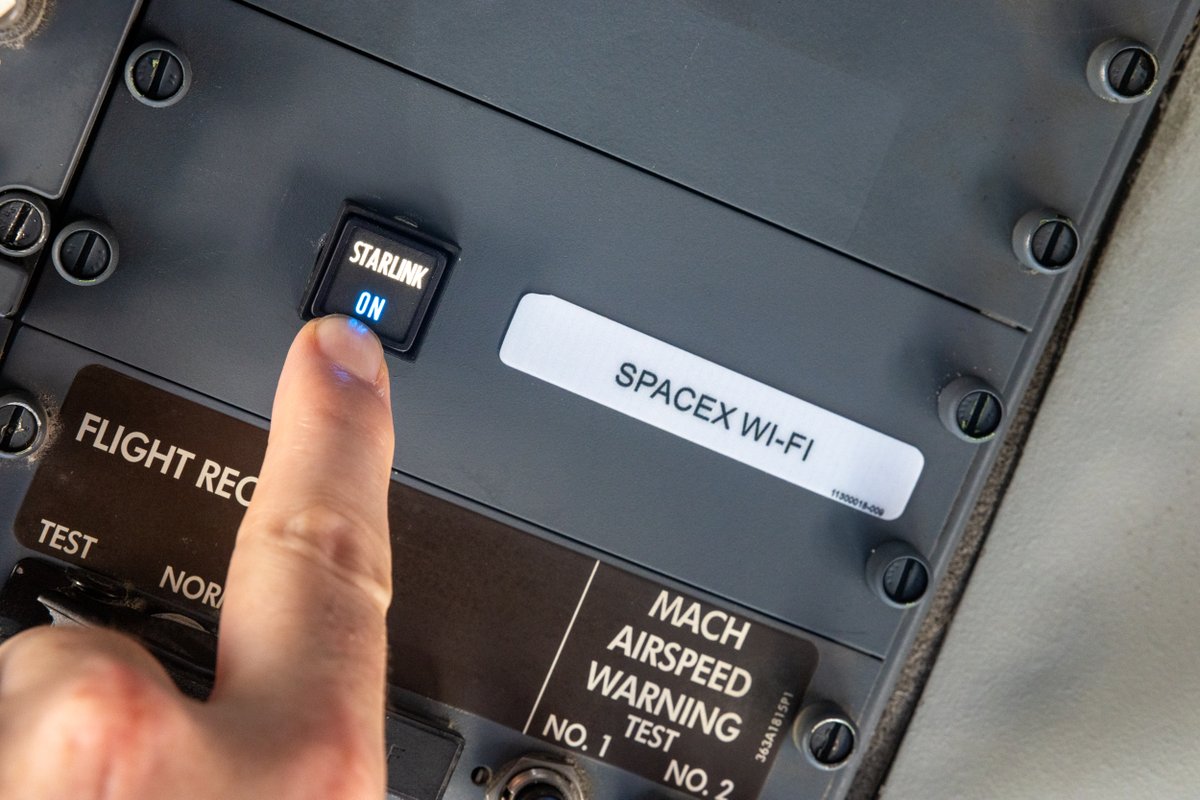
Starlink has officially taken to the skies on Southwest Airlines. The first Starlink-equipped Southwest flight departed Dallas for Albuquerque on June 22, 2026, delivering gate-to-gate Wi-Fi to passengers and crew aboard a Boeing 737-800 — and marking a genuine step-change in what domestic air travel connectivity can look like.

What This Actually Means in the Air
The performance specs here are meaningfully different from the sluggish cabin Wi-Fi most travelers have learned to ignore. According to Starlink, the Aviation service delivers download speeds between 135 and 310 Mbps, with peak bursts reaching 450 Mbps. Upload speeds run 20–44 Mbps, and latency typically stays under 99 milliseconds. That's enough headroom for 4K streaming, video calls, and live gaming — simultaneously, across a full cabin.
SpaceX VP of Starlink Enterprise Sales Jason Fritch described the target experience as "similar, if not better, than what you can experience in your own home." Southwest's Chief Customer Officer Tony Roach framed it as "a new era of inflight connectivity." The ambition is clear: make the dead zone above 30,000 feet feel like any other room in your house.
Pricing and Who Gets It Free
Southwest is keeping the access model straightforward. Members of the airline's Rapid Rewards loyalty program get Starlink Wi-Fi at no charge. Non-members can purchase access for $8 per device, covering the flight from takeoff to landing. For context, legacy in-flight Wi-Fi on competing carriers has historically cost $20–$30 per flight with a fraction of the performance — so even the paid tier is competitively positioned.
The Rollout Timeline
The first aircraft (tail number N8543Z) is just the beginning. Southwest plans to retrofit more than 300 Boeing 737s with Starlink hardware by the end of 2026, with the full fleet of over 800 aircraft targeted for eventual upgrade. The retrofitting work is expected to accelerate through the summer, meaning more routes will gain Starlink connectivity in the coming months — though Southwest hasn't published a specific route-by-route schedule yet.
Starlink's constellation of over 9,000 satellites provides the global coverage backbone that makes gate-to-gate connectivity — including during taxi and boarding — technically feasible in a way older satellite systems couldn't support.
Why This Rollout Matters Beyond Southwest
Southwest operates one of the largest single-type fleets in commercial aviation, which makes it a meaningful proving ground. If Starlink can deliver consistent performance across hundreds of 737s flying high-traffic domestic routes, it builds the case for wider airline adoption. Several carriers have already announced or begun Starlink integrations, but Southwest's scale — and its decision to offer free access to loyalty members — puts real pressure on competitors to match both the technology and the pricing model.
For frequent flyers who've watched in-flight Wi-Fi limp along for two decades, the Dallas-to-Albuquerque inaugural is a small but concrete proof point. The harder test comes when hundreds of aircraft are online simultaneously and the network handles a full day of domestic traffic. That stress test begins now.
Sources & reporting notes
The links below identify the material source records used for this report.
- @Starlink on X (2026-06-23T15:51:28.000Z) — Direct source
Source links are preserved as published or accessed. See our editorial standards and corrections policy.
The BASENOR Editorial Desk covers Tesla, SpaceX, and related technology, curating reporting from primary sources — official accounts, regulatory filings, and software release data. Every article passes source-record and fact-checking review before publication. About the newsroom.
This report was curated by the BASENOR Editorial Desk from the sources listed above. Read our editorial standards or email editorial@basenor.com to report an error.