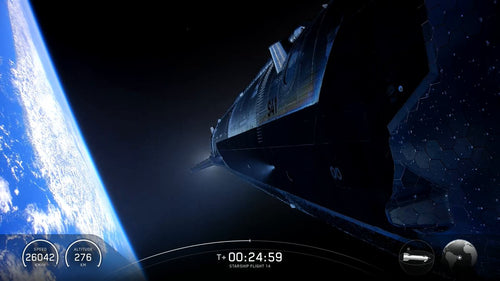
The FAA published a Notice of Intent on September 29, 2026, formally kicking off a Supplemental Environmental Impact Statement (SEIS) for SpaceX Starship-Super Heavy operations at Space Launch Complex 37 (SLC-37) at Cape Canaveral Space Force Station in Florida. This is a significant procedural step — and one that stands between SpaceX and a second operational Starship launch site on the East Coast. Here's what the filing actually says and why it matters.
Regulatory Filing
Agency: U.S. Department of Transportation — Federal Aviation Administration
Type: Notice of Intent — Supplemental Environmental Impact Statement (SEIS)
Published: September 29, 2026
Location: Space Launch Complex 37, Cape Canaveral Space Force Station, Florida
1. This Is About a Second Starship Launch Site — Not Boca Chica
SpaceX already operates Starship out of Starbase in Boca Chica, Texas, which has its own separate environmental history. SLC-37 at Cape Canaveral is a distinct, additional site. The Department of the Air Force (DAF) issued a Record of Decision in December 2025 authorizing SpaceX to redevelop SLC-37 specifically for Starship-Super Heavy launch and landing operations. This FAA SEIS is the next required regulatory step before that East Coast pad can go live — meaning the FAA's review is now the primary gating item for Cape Canaveral Starship launches.
2. The December 2025 DAF Decision Already Approved Up to 76 Launches Per Year
The Department of the Air Force's Record of Decision from December 18, 2025, was notably generous in scope: it authorized up to 76 launches and 152 landings annually at SLC-37, according to background research from the project's environmental review record. That's a significant operational ceiling. However, the DAF explicitly conditioned that authorization on the FAA completing a supplemental analysis of airspace impacts first. The DAF will then assess the FAA's findings and issue a revised ROD before any Starship launches or landings actually occur at CCSFS.
3. The SEIS Is Specifically Focused on Airspace Impacts
Not all environmental impact statements are created equal — and this one has a defined scope. The supplemental review is centered on airspace impacts, which is the outstanding analytical gap the DAF flagged when it issued its conditional approval last December. The FAA is the lead agency on airspace analysis, which is why it's driving this particular SEIS rather than the Space Force. Expect the scoping process to focus on flight corridors, sonic boom footprints, temporary flight restrictions, and impacts on commercial aviation in and around the Cape Canaveral airspace.
4. Public Scoping Is Now Open — and Your Input Is Legally Part of the Record
The Notice of Intent simultaneously opens a public scoping period, which is the formal mechanism under the National Environmental Policy Act (NEPA) for gathering public and stakeholder input on what the SEIS should analyze. Comments submitted during scoping become part of the administrative record and must be addressed in the final document. This isn't a symbolic gesture — agencies are legally required to respond to substantive comments. Anyone with concerns about airspace safety, noise, or operational frequency near the Florida coast has a formal channel to raise them.
5. This Process Has No Fixed End Date — But the Pressure Is Real
NEPA reviews don't come with statutory deadlines, and supplemental EIS processes can take anywhere from several months to well over a year depending on complexity and public comment volume. The FAA has faced sustained political and commercial pressure to accelerate its commercial space licensing timelines, and the current regulatory environment has generally favored faster reviews. Still, until the FAA completes the SEIS and the DAF issues its revised Record of Decision, no Starship vehicle lifts off from SLC-37. The pace of this review will directly determine when Cape Canaveral joins Boca Chica as an active Starship launch site.
For SpaceX's broader cadence ambitions — the company has publicly targeted aggressive launch rates for Starship — a second operational pad on the East Coast would be a meaningful capacity multiplier. The FAA's scoping period is the first public milestone in that path. For more on the regulatory and operational context around Starship, see our SpaceX coverage.
🚀 Following the Starship program? See every test flight, official outcome and the next launch window in our SpaceX Starship Tracker.
Sources & reporting notes
The links below identify the material source records used for this report.
- FEDERAL_REGISTER (2026-09-29) — Primary public record
Source links are preserved as published or accessed. See our editorial standards and corrections policy.
The BASENOR Editorial Desk covers Tesla, SpaceX, and related technology, curating reporting from primary sources — official accounts, regulatory filings, and software release data. Every article passes source-record and fact-checking review before publication. About the newsroom.
This report was curated by the BASENOR Editorial Desk from the sources listed above. Read our editorial standards or email editorial@basenor.com to report an error.