SpaceX's Starship program has operated out of Boca Chica, Texas since its earliest test flights — but that's changing fast. With FAA approval secured, infrastructure under construction, and a first Florida launch potentially before year's end, the Cape is becoming a genuine second home for the world's largest rocket. Here's what the expansion actually looks like on the ground.

Starship at the Cape, Explained in 6 Points
1. The FAA Already Gave the Green Light
This isn't a rumor or a proposal — the regulatory hurdle is cleared. The FAA approved SpaceX in February 2026 to conduct up to 44 Starship-Super Heavy launches and 88 landings per year from Launch Complex 39A (LC-39A) at Kennedy Space Center. That approval followed a 16-month environmental review completed in late January 2026. The paperwork is done; what remains is hardware and scheduling.
2. LC-39A Is Nearly Ready
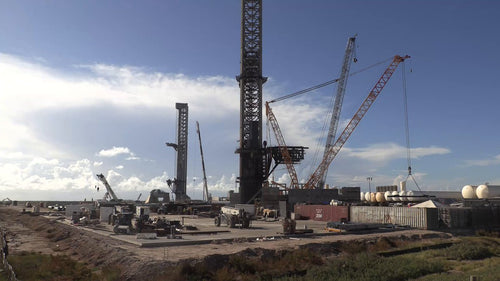
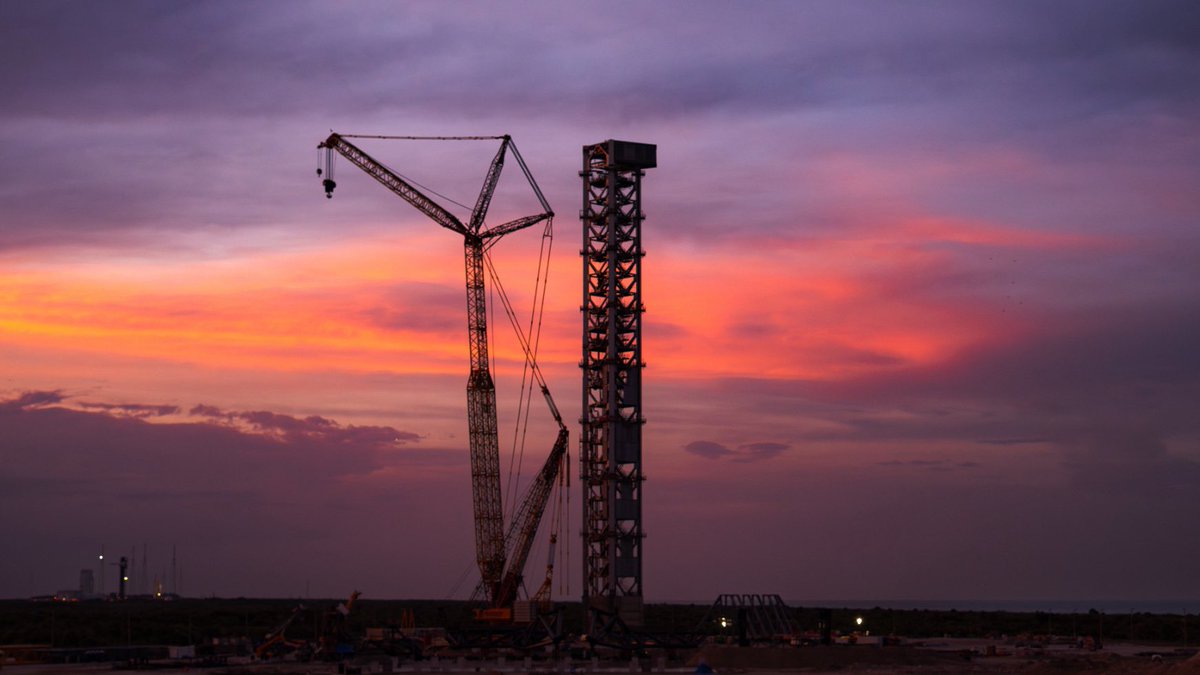
Construction of the Starship launch infrastructure at LC-39A is nearing completion, according to verified reporting. The build-out includes a launch mount, flame trench, deluge system, propellant infrastructure, and a Mechazilla catch tower — the same mechanical arms system used at Boca Chica to catch returning boosters. SpaceX has also shifted all Falcon 9 Dragon crew and cargo missions from LC-39A to SLC-40, dedicating LC-39A exclusively to Falcon Heavy and Starship operations.
3. A First Florida Launch Could Come Before 2027
SpaceX is targeting a first Starship launch from LC-39A before the end of 2026, according to reporting from Teslarati and Spaceflight Now. That timeline aligns with the infrastructure completion schedule and the pace of the V3 vehicle program — Starship's thirteenth flight test, the second using V3 hardware, flew on July 24, 2026. If the cadence holds, Florida could see its first Starship liftoff within months.
4. A Second Florida Launch Site Is Already Approved
LC-39A is only part of the story. In December 2025, SpaceX received approval to develop Space Launch Complex 37 (SLC-37) at Cape Canaveral Space Force Station for Starship operations. Two additional launch pads are under construction there, projected to support approximately 76 Starship missions and 152 landings per year once complete. Combined with LC-39A's 44-mission annual cap, Florida's theoretical Starship launch capacity could exceed 120 missions per year — not counting test flights.
5. SpaceX Is Building a Starship Factory in Florida Too
The expansion isn't just about launch pads. SpaceX is developing a 380-foot-tall 'Gigabay' facility at its Roberts Road complex in Florida — 815,000 square feet of workspace for Starship production and integration. Site preparations began in March 2025, with an expected operational timeline by the end of 2026. Beyond that, SpaceX plans a full Starship production factory at Roberts Road intended to be 50% larger than the current Starfactory in Texas. Florida is being set up as a full-stack Starship hub, not just a second launch site.
6. Musk Has a One-Flight-Per-Day Target in Mind
Elon Musk stated in August 2026 that SpaceX is aiming for a Starship launch cadence of at least one flight per day, describing it as achievable 'probably a year from now.' That kind of cadence is only possible with multiple launch sites operating in parallel. Florida's infrastructure — two sites, a local factory, and dedicated integration facilities — is the operational backbone that makes a daily launch rate conceivable. Texas alone could never sustain it.
The Florida expansion represents a structural shift in how SpaceX operates Starship, not just a geographic one. When the first launch does lift off from LC-39A, it will mark the moment the program moved from a single experimental site to a scalable, multi-node launch network. For more on SpaceX's broader trajectory, see our SpaceX coverage.
🚀 Following the Starship program? See every test flight, official outcome and the next launch window in our SpaceX Starship Tracker.
Sources & reporting notes
The links below identify the material source records used for this report.
- @SawyerMerritt on X (2026-08-07T03:18:38.000Z) — Direct source
Source links are preserved as published or accessed. See our editorial standards and corrections policy.
The BASENOR Editorial Desk covers Tesla, SpaceX, and related technology, curating reporting from primary sources — official accounts, regulatory filings, and software release data. Every article passes source-record and fact-checking review before publication. About the newsroom.
This report was curated by the BASENOR Editorial Desk from the sources listed above. Read our editorial standards or email editorial@basenor.com to report an error.