📌 UPDATE — May 30, 2026
NASASpaceflight reports that the Starship catch tower — nicknamed "Never Tell Me The Odds" — surprisingly survived the overpressure wave generated during Flight 12, a result observers are calling an unexpectedly positive outcome. Attention now shifts to the broader pad rebuild effort, where SpaceX was already planning a second launch complex at the old LC-11 area. NSF notes that this could result in two new sets of pad towers rising simultaneously at Starbase — a significant acceleration of launch infrastructure capacity. 🔍

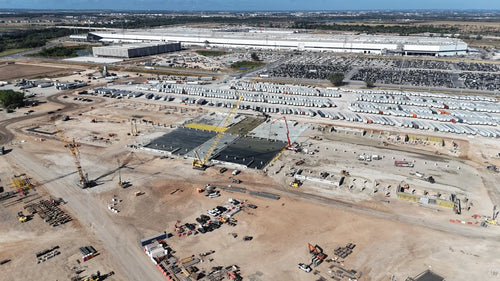
SpaceX's Starship Flight 12 didn't just test a new rocket — it put an entirely rebuilt launch pad through its first real trial. Early post-launch walkarounds at Starbase suggest the new Stage Zero infrastructure passed with flying colors, showing no signs of major damage or structural stress after one of the most powerful Starship launches to date.

Flight 12 lifted off on May 22, 2026, at 5:30 p.m. CT from the newly commissioned Pad 2 at Starbase, Texas — marking its very first operational use. The launch was notable not just for the vehicle itself (Starship V3, which Elon Musk called an "epic" debut) but for the ground infrastructure underneath it. SpaceX had effectively rebuilt everything: the launch mount was reinforced, the deluge system overhauled, the flame diverter redesigned, and the chopstick actuators switched from hydraulic to electromechanical for faster movement and greater reliability. A scrub the day prior — caused by a hydraulic pin on the chopstick arm failing to retract — had underscored just how much was riding on these new systems working correctly.

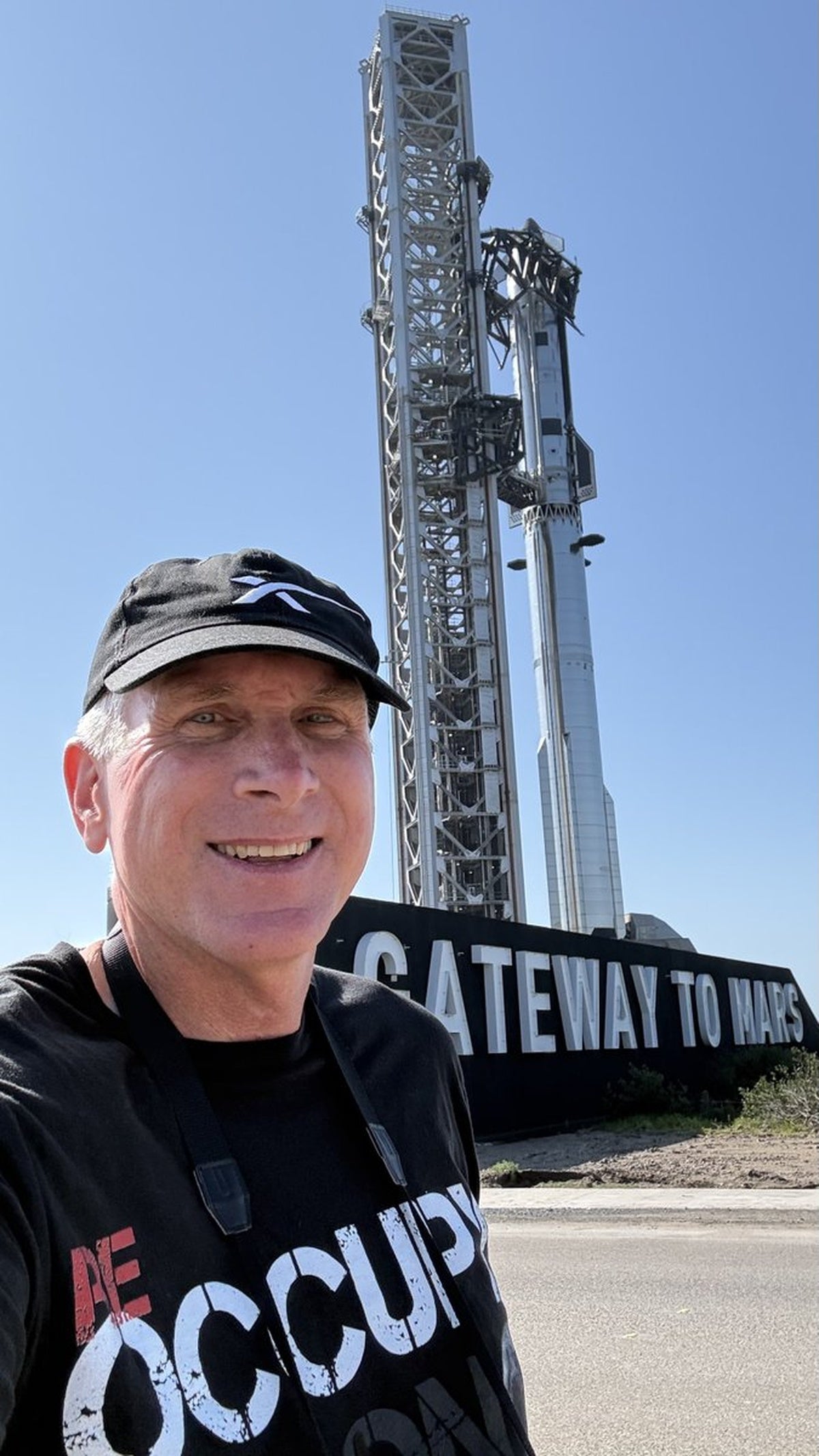
Aerospace observer Joe Tegtmeyer, who has closely documented Starbase construction and launches, shared post-launch footage and photos of Stage Zero the morning after. His assessment: the pad looks remarkably clean. No massive damage, no obvious stress indicators — nothing to suggest the new infrastructure wasn't fully up to the task. That's a meaningful result given that this was the first time Pad 2's upgraded propellant farm, shorter chopsticks, and revised deluge system had absorbed a live launch environment.
SpaceX's approach with Stage Zero 2.0 was clearly designed with durability and rapid reuse in mind. The propellant farm now carries increased storage capacity and more pumps for faster vehicle fill times — critical for a program that aims to dramatically shorten turnaround between flights. If the pad holds up as well on closer inspection as it appears from initial walkarounds, it sets a strong foundation for the accelerated launch cadence SpaceX is targeting. Detailed damage assessments are typically compiled in the days following a flight, so the full picture is still developing — but the early signs are encouraging.
🚀 Following the Starship program? See every test flight, official outcome and the next launch window in our SpaceX Starship Tracker.
Sources & reporting notes
The links below identify the material source records used for this report.
- @JoeTegtmeyer on X (2026-05-23T13:46:34.000Z) — Direct source
- @JoeTegtmeyer on X (2026-05-23T13:35:20.000Z) — Direct source
- @NASASpaceflight on X (2026-05-30T16:42:31.000Z) — Direct source
Source links are preserved as published or accessed. See our editorial standards and corrections policy.
The BASENOR Editorial Desk covers Tesla, SpaceX, and related technology, curating reporting from primary sources — official accounts, regulatory filings, and software release data. Every article passes source-record and fact-checking review before publication. About the newsroom.
This report was curated by the BASENOR Editorial Desk from the sources listed above. Read our editorial standards or email editorial@basenor.com to report an error.