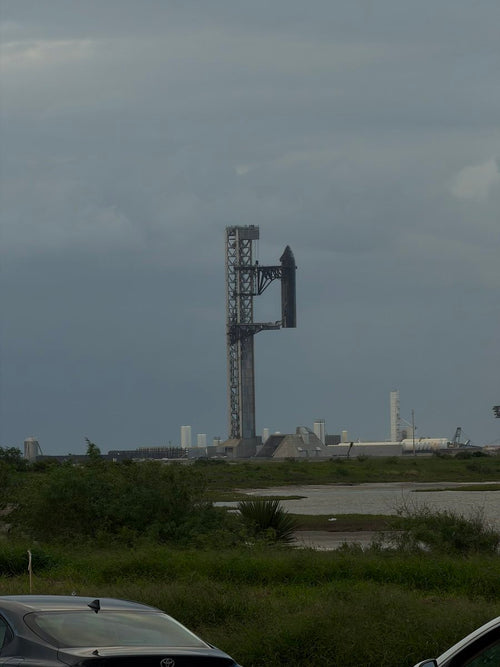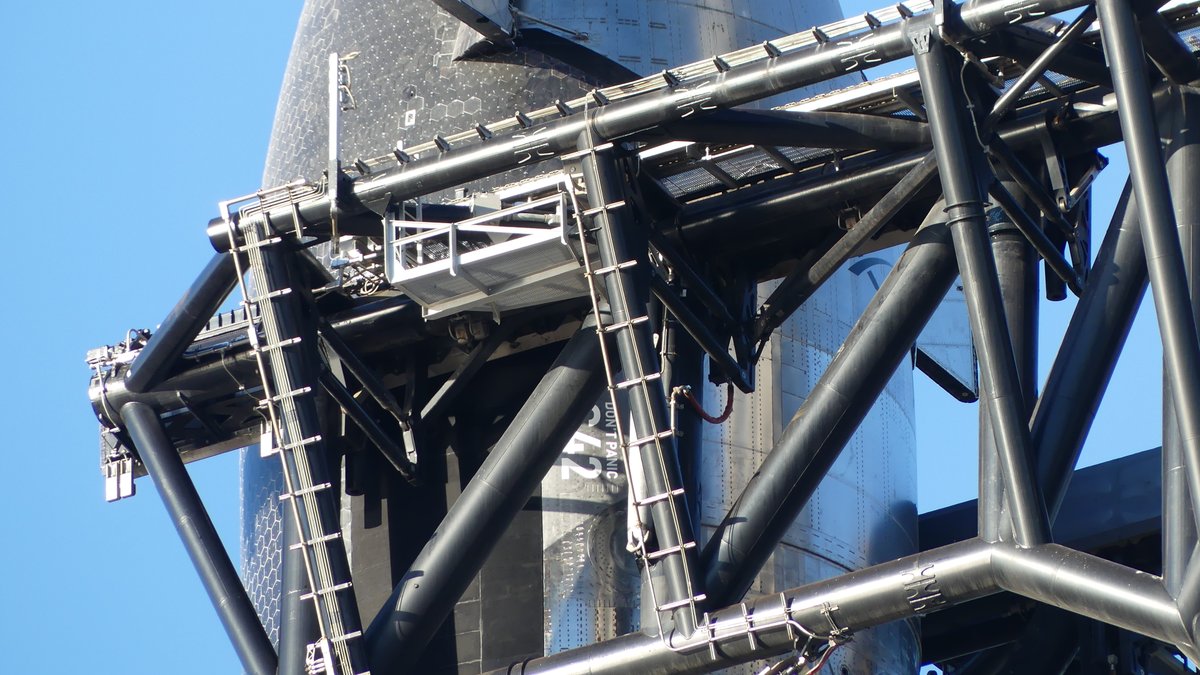
SpaceX has given the green light. Ship 42 — the Block 3 Starship upper stage launched on Flight 15 — has cleared its final pre-return checks and is completing one last orbit before initiating the de-orbit burn for a catch attempt at Starbase. If the tower's mechazilla arms snag it successfully, it will be the first-ever recovery of an orbital Starship upper stage — and the first time SpaceX has brought both halves of an orbital launch system back to the pad.
1. The Go Decision Came Mid-Mission
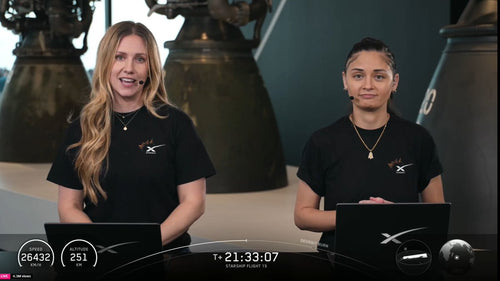
Flight controllers didn't commit to the catch attempt from the start — they evaluated Ship 42's systems throughout the flight and deliberately passed on earlier return windows. According to background reporting, the ship completed approximately 14 orbits over more than 22 hours before the final call was made. That deliberate patience signals SpaceX was prioritizing a clean attempt over a rushed one. The go/no-go confirmation came from SpaceX on November 14, with @JoeTegtmeyer reporting the decision live.

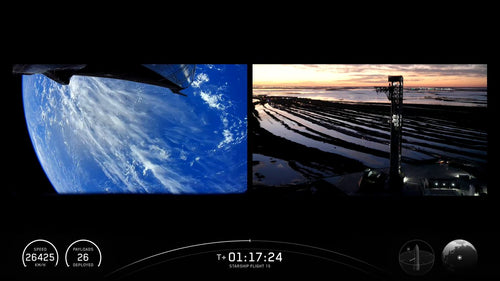
2. Ship 42 Already Delivered 26 Starlink Satellites
Before any of the catch drama, Ship 42 had already done real work. According to reporting from space.com, the vehicle deployed 26 Starlink V3 satellites during its low Earth orbit phase at approximately 275 km altitude. That means Flight 15 was a paying mission, not purely a test flight — SpaceX is threading operational payload delivery with hardware reusability development simultaneously, which is exactly what full-stack reuse is supposed to enable at scale.
3. The Booster Didn't Make It Back — The Ship Is Carrying the Story
Super Heavy Booster 22 was supposed to be caught at Pad 2 roughly 6.5 minutes after liftoff, which would have made Flight 15 the first fully recovered orbital launch in history. According to background research, a guidance, navigation, and control issue caused the booster to abort its catch attempt and divert to an offshore splashdown in the Gulf of Mexico, where it lost structural integrity before impact. That outcome shifts all the historic weight onto Ship 42's catch — a successful tower grab now becomes the headline achievement of the flight.

4. Heat Shield Condition Cleared the Way
One of the key variables for any Starship upper stage return is whether the heat shield tiles survive the orbital environment and remain intact enough for re-entry. According to background reporting, flight controllers assessed Ship 42's heat shield as being in good condition heading into the catch window. That assessment was part of what allowed SpaceX to forgo early return options and commit to the full 14-orbit profile — a longer mission puts more thermal and structural stress on the vehicle before it even begins descent.
5. The Catch Window Targeted Around 4:20 p.m. EST
According to reporting from space.com, the catch attempt was scheduled for approximately 4:20 p.m. EST (2120 GMT / 3:20 p.m. local Texas time) on November 14. That timing follows Ship 42 completing its final orbit and initiating the de-orbit burn — the last major maneuver before the mechazilla arms at Starbase either make history or send teams back to the data. @NASASpaceflight confirmed the vehicle was on its final lap shortly after 19:39 UTC.

With the booster already lost, the pressure on Ship 42's catch is total. A successful mechazilla grab would still validate the core premise of Flight 15 — that an orbital Starship upper stage can be launched, operated as a functional payload carrier, and returned to the pad for reuse. That's the loop SpaceX needs to close before full-stack reusability becomes routine. For our SpaceX coverage, this is the moment the whole flight series has been building toward.
🚀 Following the Starship program? See every test flight, official outcome and the next launch window in our SpaceX Starship Tracker.
Sources & reporting notes
The links below identify the material source records used for this report.
- @NASASpaceflight on X (2026-11-14T19:16:36.000Z) — Direct source
- @JoeTegtmeyer on X (2026-11-14T19:17:18.000Z) — Direct source
- @RGVaerialphotos on X (2026-11-14T19:20:52.000Z) — Direct source
- @NASASpaceflight on X (2026-11-14T19:39:11.000Z) — Direct source
Source links are preserved as published or accessed. See our editorial standards and corrections policy.
The BASENOR Editorial Desk covers Tesla, SpaceX, and related technology, curating reporting from primary sources — official accounts, regulatory filings, and software release data. Every article passes source-record and fact-checking review before publication. About the newsroom.
This report was curated by the BASENOR Editorial Desk from the sources listed above. Read our editorial standards or email editorial@basenor.com to report an error.