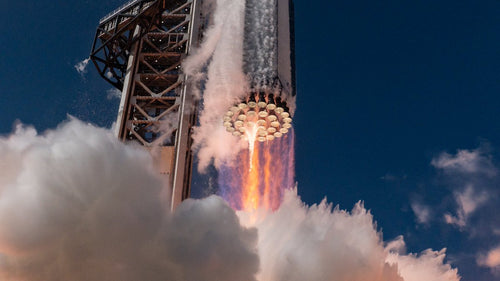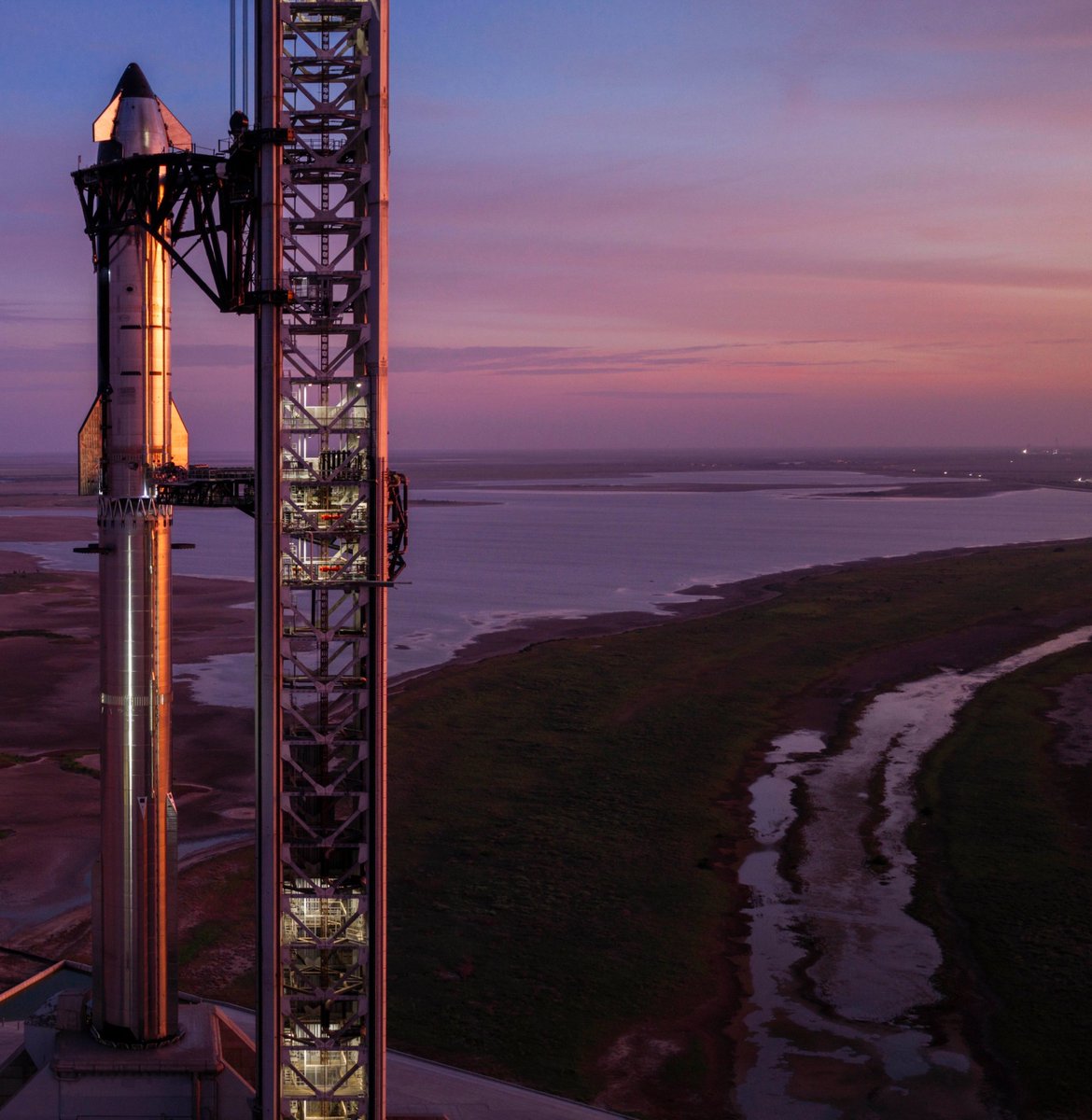
Elon Musk made a pointed statement about SpaceX's intellectual property philosophy this week, telling competitors they're welcome to try copying Starship. It sounds counterintuitive — but the strategy is more calculated than it appears. Here's what's actually going on.

1. The Invitation Is Genuine — and Deliberate
Musk's exact words: "We encourage our competitors to copy us, but it's quite difficult to copy something like Starship. We don't use patents as a landmine exercise to stop people to copy us. We actively encourage it." This isn't bravado. SpaceX has long operated with a philosophy that the best defense against competition is outpacing it operationally, not locking down blueprints. The invitation to copy is real — and the confidence behind it is equally real.
2. Trade Secrets, Not Patents, Protect the Core
According to IP analysis from patentvest.com and mathys-squire.com, SpaceX's core rocket technologies — including Starship's launch, recovery, engine tuning, and manufacturing processes — are protected primarily as trade secrets, not through aggressive patent filings. The reasoning is deliberate: patents require public disclosure, which would hand competitors a detailed technical roadmap. By keeping the most sensitive know-how as trade secrets, SpaceX avoids creating what Musk has previously described as a "recipe book" for rivals, with particular concern about state-backed competitors.
3. Complexity Is the Real Moat
The deeper point in Musk's statement is the phrase "it's quite difficult." SpaceX's competitive advantage isn't a wall of legal filings — it's the sheer operational complexity of what Starship requires to work. Rapid launch cadence, integrated manufacturing, real-time test data accumulated over hundreds of flights, and the institutional knowledge that comes with iterating at speed: none of that transfers by reading a patent. According to analysts familiar with SpaceX's IP strategy, this operational cadence is considered the primary barrier to replication, not legal protection.
4. This Is Not the Same as Tesla's Open Patent Move
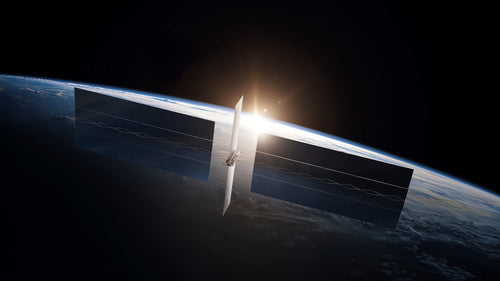
It's worth drawing a clear line here. In 2014, Tesla made a high-profile decision to open its electric vehicle patents to the public, explicitly to accelerate EV adoption industry-wide. That was a genuine open-patent pledge. SpaceX's approach to Starship is different: it's not a formal patent release, and the core technology remains protected as trade secrets. Where SpaceX does file patents — Starlink user terminals, phased-array antennas, satellite communication systems — those cover more product-oriented, commercialized technologies that are more vulnerable to reverse engineering. The Starship "copy us" stance is a confidence play, not a legal commitment to openness.
The net effect of Musk's statement is less about generosity and more about competitive positioning. When your moat is operational excellence and accumulated engineering knowledge, telling rivals to try their luck isn't a risk — it's a flex. For anyone tracking the broader space launch market, the real question is whether any competitor can close the cadence gap before SpaceX extends it further. For more on SpaceX's trajectory, see our SpaceX coverage.
🚀 Following the Starship program? See every test flight, official outcome and the next launch window in our SpaceX Starship Tracker.
Sources & reporting notes
The links below identify the material source records used for this report.
- @SawyerMerritt on X (2026-08-04T20:37:40.000Z) — Direct source
Source links are preserved as published or accessed. See our editorial standards and corrections policy.
The BASENOR Editorial Desk covers Tesla, SpaceX, and related technology, curating reporting from primary sources — official accounts, regulatory filings, and software release data. Every article passes source-record and fact-checking review before publication. About the newsroom.
This report was curated by the BASENOR Editorial Desk from the sources listed above. Read our editorial standards or email editorial@basenor.com to report an error.