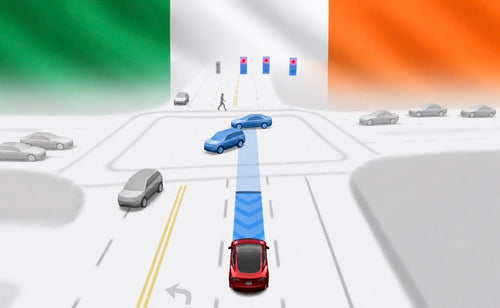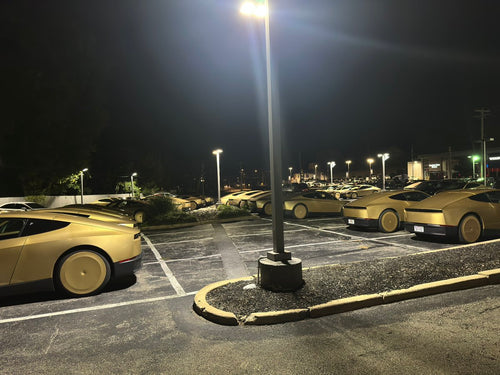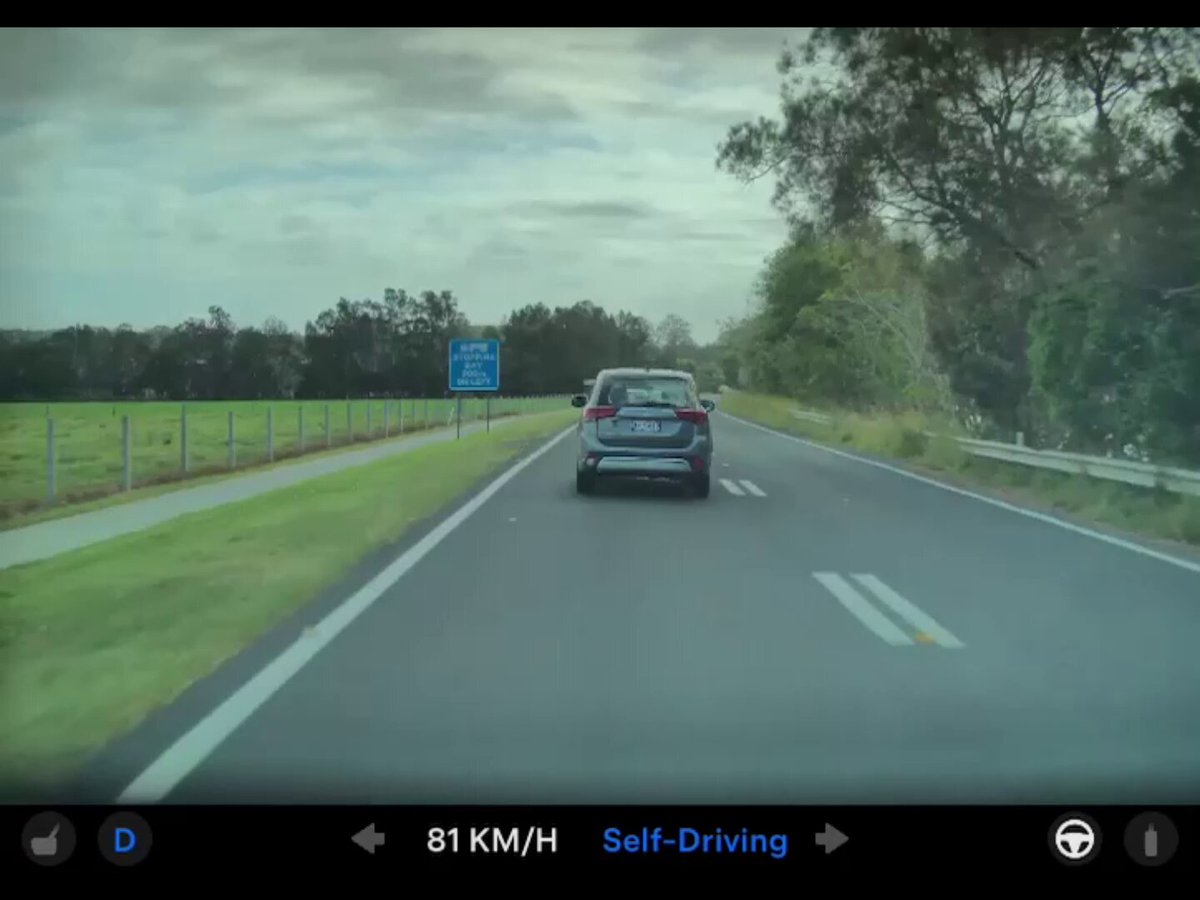
Two posts on X this week capture the FSD paradox better than any press release could. Fred Lambert calls it impressive for what it runs on — then immediately shows it making a dangerous error. Whole Mars Catalog flips the frame entirely: today's FSD will look just as primitive a year from now as three-year-old footage looks today. Both are right, and together they tell you everything you need to know about where Tesla's autonomous driving software actually stands in late 2026.

1. FSD is running on hardware that's three years old
The current FSD stack — including v14.3.10 now rolling out to HW4 vehicles — runs on the same AI4/HW3 compute that Tesla shipped years ago. Lambert's framing matters here: the fact that camera-only autonomy at this level is possible on aging silicon is genuinely remarkable. But it also means the system is operating near the ceiling of what that hardware can do. HW3 owners are now receiving FSD v14.2 Lite, a distilled version of the v14 stack specifically adapted for older compute — a sign that Tesla is actively managing the gap between hardware generations rather than leaving older cars behind.
2. Impressive ≠ safe enough for unsupervised driving
Lambert is direct: FSD "still makes dumb and dangerous mistakes." This isn't a fringe opinion — it reflects the legal and regulatory reality of where the product sits. Tesla's own branding says "Supervised," and that word carries weight. Every version currently available, including v14.3.10 with its new Automatic Collision Evasion feature, still requires an attentive driver ready to intervene. The collision evasion addition is notable — it can steer, brake, or accelerate to avoid imminent frontal crashes even during manual driving — but it's a safety layer on top of a system that hasn't cleared the bar for unsupervised operation.
3. The improvement curve is steep — and that cuts both ways
Whole Mars Catalog's point is worth sitting with. Three-year-old FSD footage looks almost laughably crude today. The same will likely be true of current v14 footage by late 2027. That's an argument for optimism about the trajectory, but it's also an honest acknowledgment that the system in your car right now — however good — is an early draft. Tesla's v14 architecture reportedly introduced a neural network with significantly more parameters than its predecessor, and the jump from v13 to v14 was described internally as a major architectural shift. The pace of iteration is real.

4. The subscription model means pricing will follow capability
FSD costs $99 per month today. The one-time purchase option was discontinued after February 2026, making the subscription the only path for new buyers. Elon Musk has stated publicly that pricing is expected to rise as the system moves closer to full autonomy. That creates a specific calculus for owners: the window to lock in today's rate is open, but it won't stay open indefinitely. New Model 3, Model Y, and Cybertruck orders currently include three months free — roughly $297 of value — which is worth factoring in if you've been on the fence about trying it.
5. HW3 and HW4 owners are on different tracks now
The split between FSD v14.3.10 (HW4) and FSD v14.2 Lite (HW3) is more than a version number difference. HW4 vehicles get Automatic Collision Evasion; HW3 vehicles do not. HW3 owners receive Reinforcement Learning improvements, Speed Profiles, and Arrival Options — meaningful additions, but a subset of what the newer hardware enables. According to BASENOR's coverage, v14.2 Lite began reaching HW3 Model S and Model X vehicles as of September 23, so the rollout is broad. But owners should be clear-eyed: the hardware ceiling is real, and the two fleets will continue to diverge as v14 matures. For a full picture of where each update stands, see our software updates coverage.
The honest read on FSD in September 2026: the technology is moving faster than almost anyone predicted three years ago, and it's still not ready to drive without you watching. Those two facts coexist, and neither cancels the other out. The question worth asking isn't whether FSD will eventually get there — the trajectory makes that increasingly hard to dispute — but how many more iteration cycles it takes before "Supervised" quietly becomes optional.
Related Gear
Gear up your Tesla with tested, custom-fit BASENOR accessories — shop Tesla accessories →
Sources & reporting notes
The links below identify the material source records used for this report.
- @FredLambert on X (2026-09-24T16:25:00.000Z) — Direct source
- @wholemars on X (2026-09-24T16:30:25.000Z) — Direct source
Source links are preserved as published or accessed. See our editorial standards and corrections policy.
The BASENOR Editorial Desk covers Tesla, SpaceX, and related technology, curating reporting from primary sources — official accounts, regulatory filings, and software release data. Every article passes source-record and fact-checking review before publication. About the newsroom.
This report was curated by the BASENOR Editorial Desk from the sources listed above. Read our editorial standards or email editorial@basenor.com to report an error.