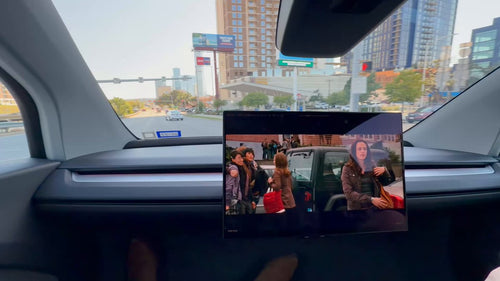
A new autonomous Cannonball Run record has been set using Tesla's Full Self-Driving system — 2,886 miles from New York City to Los Angeles in 47 hours, 15 minutes, and 39 seconds, with zero human interventions from start to finish. The achievement, flagged by prominent Tesla commentator Whole Mars Catalog, marks the third time this year that FSD has rewritten its own benchmark on one of the most demanding real-world routes in North America.

What the Record Actually Is
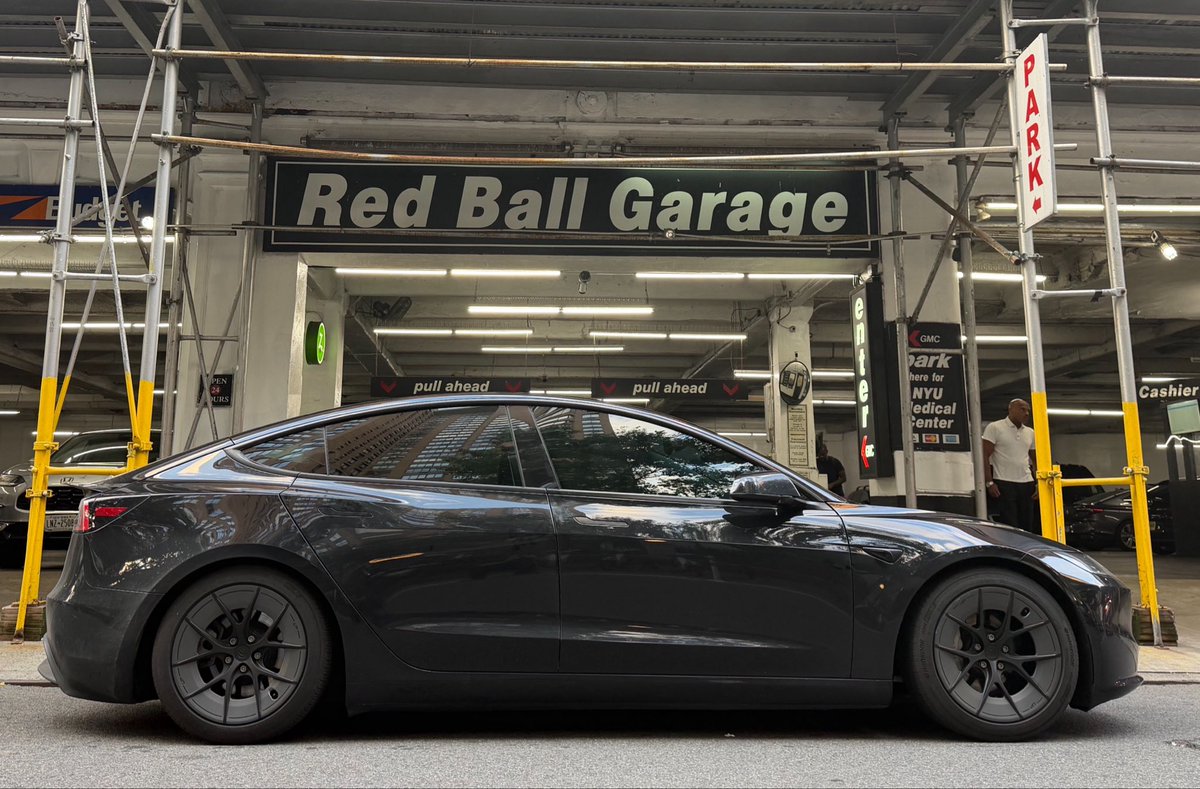
The Cannonball Run — a coast-to-coast sprint from the Red Ball Garage in Midtown Manhattan to the Portofino Inn in Redondo Beach, California — is the unofficial gold standard for long-distance driving endurance. For autonomous vehicles, completing it without a single human takeover is the meaningful threshold. The July 2026 run, completed by Owen Sparks, Spencer, and David Moss between July 24–26, cleared that bar across 2,886 miles of mixed highway, urban, and rural driving.
The time itself — 47 hours and 15 minutes — is notable, but the zero-intervention figure is what matters most for evaluating FSD's real-world capability. Every mile driven without a human correction is a data point that the system handled an edge case, a merge, a construction zone, or a weather event entirely on its own.
How Fast This Benchmark Is Moving
Three records in under a year tells a more interesting story than any single run. According to verified records, the progression looks like this:
| Run | Date | Distance | Time | Interventions |
|---|---|---|---|---|
| Alex Roy, Warren Ahner, Paul Pham | January 2026 | 3,081 mi | 58h 22m | 0 |
| Zack, Dan Burkland, Aaron | May 2026 | 2,833 mi | 49h 55m | 0 |
| Owen Sparks, Spencer, David Moss | July 2026 | 2,886 mi | 47h 15m 39s | 0 |
From January to July, the time dropped by more than 11 hours — roughly a 19% improvement in elapsed time — while the zero-intervention standard held across all three attempts. The January run was completed on FSD version 14.2.2.3 on AI4 hardware, in winter conditions including snow, ice, and slush. The May record used FSD 14.3.2. The July run's exact software version has not been officially confirmed at time of publication.
It's also worth noting the direction reversal: the January run went LA to NYC, while the May and July records used the traditional NYC-to-LA direction. Route differences mean the times aren't perfectly apples-to-apples, but the consistent zero-intervention result across both directions is the through-line.
Why This Matters Beyond the Headline
The Cannonball is a stress test that no controlled test track can replicate. The route crosses multiple climate zones, dozens of urban centers, thousands of on-ramps and off-ramps, and unpredictable traffic at all hours. Completing it without intervention doesn't mean FSD is ready to operate without a human in the seat — these runs are conducted under supervised conditions with attentive safety drivers — but it does demonstrate that the system can chain together thousands of consecutive correct decisions across genuinely varied real-world conditions.
Tesla's official X account reposted the announcement of the May record, signaling the company views these community-run benchmarks as meaningful validation data. Whether the July record receives the same treatment will be worth watching.
For context on the broader FSD trajectory, the January run was notable precisely because it was completed in winter — historically one of the hardest environments for camera-based autonomous systems. That it held zero interventions through snow and ice, then improved further on time in subsequent runs, suggests the capability curve is still steep. The question now is whether the next record attempt pushes below the 45-hour mark, or whether the focus shifts to demonstrating reliability across a wider range of vehicles and conditions rather than raw speed.
Related Gear
Gear up your Tesla with tested, custom-fit BASENOR accessories — shop Tesla accessories →
Sources & reporting notes
The links below identify the material source records used for this report.
- @wholemars on X (2026-10-08T16:29:35.000Z) — Direct source
Source links are preserved as published or accessed. See our editorial standards and corrections policy.
The BASENOR Editorial Desk covers Tesla, SpaceX, and related technology, curating reporting from primary sources — official accounts, regulatory filings, and software release data. Every article passes source-record and fact-checking review before publication. About the newsroom.
This report was curated by the BASENOR Editorial Desk from the sources listed above. Read our editorial standards or email editorial@basenor.com to report an error.