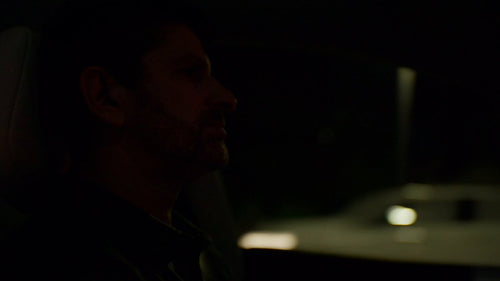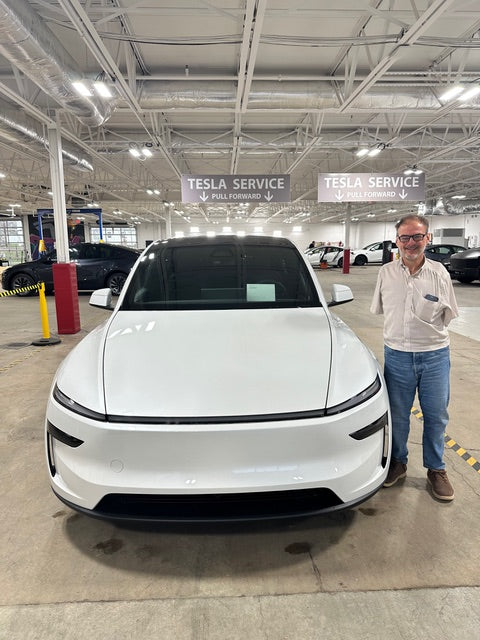
Tesla's Full Self-Driving (Supervised) system is getting attention for a reason that goes beyond convenience: for some drivers, it's a genuine accessibility tool. Tesla shared the story of a driver born without arms who has spent their entire life operating a vehicle with their feet — left foot on the steering wheel, right foot managing the gas and brake. With FSD Supervised, that experience has shifted in a meaningful way.

The driver describes themselves as fully licensed and experienced — this isn't someone new to the road. But FSD Supervised introduces a layer of assistance that reduces the cognitive and physical load of driving in ways that standard adaptive equipment simply can't replicate. For drivers managing non-standard control setups, every moment of reduced workload matters.

FSD Supervised is classified as a Level 2 driver-assistance system, meaning the driver remains responsible and must stay attentive at all times. But for someone already accustomed to operating a vehicle through adaptive techniques, having the car handle steering inputs, lane changes, and traffic navigation autonomously can represent a meaningful reduction in physical demand — and a real expansion of where and how confidently they can drive.
Stories like this one tend to surface something the broader FSD conversation often misses: the technology's impact isn't uniform. For the average driver, FSD is a convenience feature. For a driver managing significant physical limitations, it can redefine what independent mobility looks like. Whether Tesla leans further into this accessibility angle — through dedicated outreach, adaptive hardware partnerships, or tailored software modes — remains an open question, but the real-world signal here is hard to ignore.

Marcus covers Tesla's software releases, FSD rollouts, and OTA changes. Background in automotive engineering. Based in Austin.
Sources verified at publish time. Spotted an inaccuracy? Email editorial@basenor.com.