30-Second Brief
The News: Tesla is actively hiring Autopilot Vehicle Operators in Zagreb, Athens, Belas, Ljubljana, and Utrecht — a clear signal that FSD (Supervised) expansion into Europe is accelerating.
Why It Matters: European Tesla owners have been locked out of FSD for years. These hires, combined with active regulatory proceedings in the Netherlands and ride-along programs already running in multiple EU countries, suggest a real launch window is forming.
Source: @TeslaNewswire on X

📊 Key Figures
| Metric | Value | Context |
|---|---|---|
| New Hiring Locations (this wave) | 5 cities | HR, GR, PT, SI, NL |
| Total EU countries with operator hires | 11+ | Incl. DE, CZ, HU, CH, FI, DK |
| Internal EU test distance | 1,000,000+ km | Across 17 European countries |
| FSD version active in EU testing | v14.1.7 | EU-adapted; NA is on v14.2 |
| Netherlands regulatory target date | March 20, 2026 | Target, not confirmed approval |
| NL ride-along program duration | Feb 16 – Mar 31, 2026 | 9 Dutch cities |
What Tesla Is Actually Building in Europe
Hiring Autopilot Vehicle Operators isn't a casual move. These are trained safety drivers who ride along during real-world FSD data collection runs — the exact same role Tesla used to build its North American dataset before commercial FSD launch. When Tesla opens these roles in a new geography, it means active data collection is either underway or imminent.
The five cities announced today — Zagreb, Athens, Belas (near Lisbon), Ljubljana, and Utrecht — join a growing list of European locations where Tesla has already been recruiting similar roles, including Prague, Budapest, Berlin, Prüm, Switzerland, Finland, and Denmark. That's now over a dozen European cities actively building out Tesla's FSD testing infrastructure.
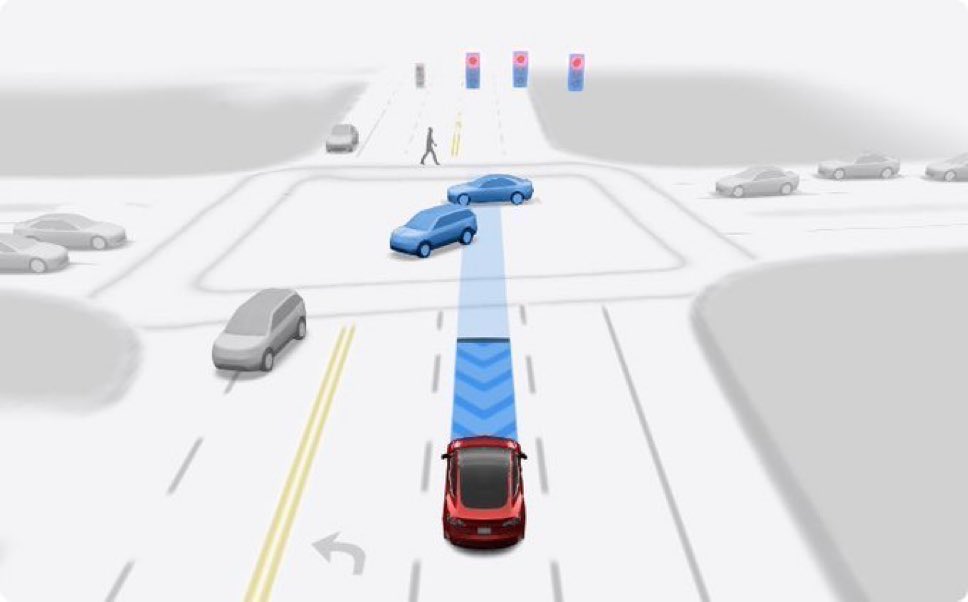
The version currently being demonstrated to European regulators is FSD v14.1.7, a specifically adapted build for EU road conditions and regulations. It sits one version behind the v14.2 available to North American HW4 owners — but the gap is closing. For our FSD coverage, this represents the most concrete sign yet that Europe is entering the final pre-launch phase.
The Netherlands: Europe's FSD Beachhead
Utrecht's inclusion in today's hiring announcement is particularly significant. The Netherlands is currently the furthest along in the EU regulatory process. According to Elon Musk's own statements in late February 2026, Dutch authorities (RDW) communicated a target approval date of March 20, 2026 for FSD (Supervised) — which would make the Netherlands the first EU country to formally greenlight the technology.
It's worth being precise here: March 20 is a target date for regulatory review, not a guaranteed approval. The RDW had previously clarified that earlier milestones were demonstration windows, not rubber stamps. But the fact that Tesla is now hiring operators in Utrecht while that date approaches is not a coincidence.
Why does the Netherlands matter beyond its own borders? Under EU mutual recognition frameworks, a national exemption granted by one member state can create a pathway for other countries to follow. A Dutch approval could effectively unlock a cascade of approvals across the EU — making Utrecht potentially the most important city in the story of European FSD.
The Regulatory Hurdle Is Real — But Tesla Is Clearing It
European regulations under UNECE rules are structurally stricter than North American frameworks. Tesla can't simply push a software update and enable FSD for EU owners the way it does in the US. Each country requires formal type approval or a national exemption before FSD can operate on public roads with paying customers.
Tesla's approach has been methodical: run internal testing (1M+ km across 17 countries), then launch supervised ride-along programs to demonstrate safety to regulators directly. Ride-along programs are already active in Italy, France, and Germany since November 2025, and the nine-city Netherlands program runs through March 31. Hiring operators in new cities is the next step in that pipeline — it means those cities are being queued for the same process.
🔭 The BASENOR Take
This hiring wave is the clearest operational signal yet that Tesla is treating Europe as an active launch market, not a future aspiration. You don't hire safety drivers in five new countries unless you have a concrete plan to put cars on the road in those cities.
The geographic spread is also telling. This isn't just Western Europe's major markets — it includes smaller countries like Croatia, Slovenia, and Portugal. That breadth suggests Tesla is building a continent-wide operator network simultaneously, rather than a phased city-by-city rollout. The infrastructure is being laid for a broad launch, not a limited pilot.
For European Tesla owners: the question is no longer if FSD is coming — it's when and whether your car is eligible. HW4 vehicles will be first in line. If you're on HW3, watch Tesla's official communications closely, as hardware eligibility requirements for the EU version haven't been formally confirmed yet.
📰 Deep Dive
The timing of this hiring announcement — just two weeks before the Netherlands' March 20 regulatory target date — is hard to read as anything other than deliberate preparation. Tesla appears to be staffing up in anticipation of a positive Dutch ruling, with Utrecht operators potentially needed to support a rapid commercial rollout if approval comes through. The Netherlands program, covering nine cities through March 31, gives regulators a live demonstration window that closes right as the target date approaches.
What's notable about the five new countries is their diversity. Croatia, Greece, Portugal, Slovenia, and the Netherlands represent different road environments, traffic cultures, and regulatory bodies. Tesla collecting data across this range simultaneously accelerates the training of its EU-specific neural network while also building regulatory relationships in multiple jurisdictions at once. Each country that approves FSD makes the next approval easier to obtain.
The version gap between Europe (v14.1.7) and North America (v14.2) is worth monitoring. Tesla has historically closed version gaps quickly once a region enters active deployment. European owners who purchase FSD capability today are essentially pre-purchasing access to a system that will improve rapidly once the regulatory gates open — similar to how early North American FSD adopters experienced the product evolving from basic highway assist to city street navigation over successive updates.
For the broader EV industry, a successful EU FSD launch would be a landmark moment. Europe's stricter regulatory framework has been the benchmark that autonomous driving advocates point to as the gold standard for safety validation. Tesla clearing that bar — if and when it does — would carry significant weight globally.
📋 Tracking Tesla software? See every firmware, FSD and app version in one place in our Tesla Software Update Tracker.
Related Gear
Gear up your Tesla with tested, custom-fit BASENOR accessories — shop Tesla accessories →
Sources & reporting notes
The links below identify the material source records used for this report.
- @TeslaNewswire on X (2026-03-05T20:04:22.000Z) — Direct source
Source links are preserved as published or accessed. See our editorial standards and corrections policy.
The BASENOR Editorial Desk covers Tesla, SpaceX, and related technology, curating reporting from primary sources — official accounts, regulatory filings, and software release data. Every article passes source-record and fact-checking review before publication. About the newsroom.
This report was curated by the BASENOR Editorial Desk from the sources listed above. Read our editorial standards or email editorial@basenor.com to report an error.