30-Second Brief
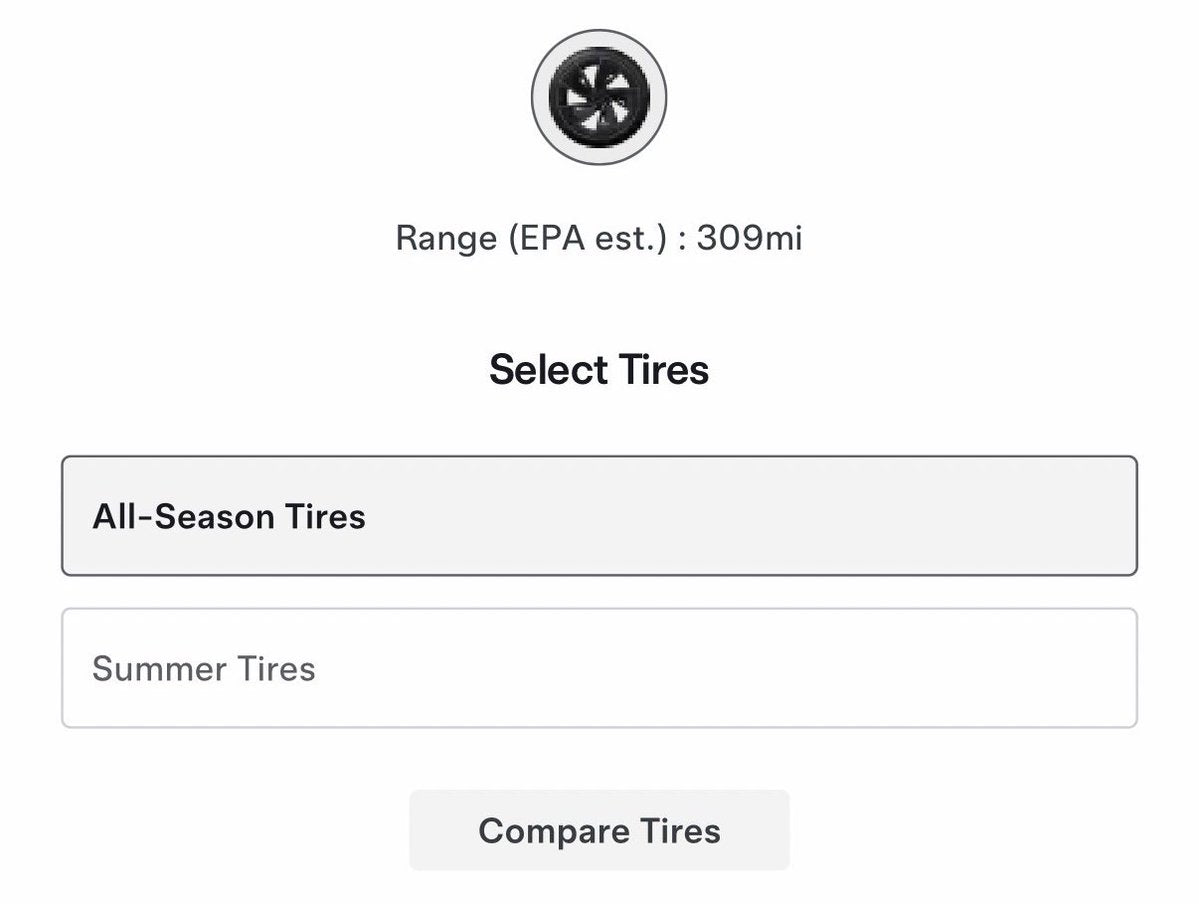
The News: Tesla has updated the U.S. Model 3 Performance configurator to offer a choice between summer and all-season tires, with each option carrying a different EPA range estimate.
Why It Matters: For the first time, Model 3 Performance buyers can tailor their tire choice at the point of purchase — a decision that affects both real-world range and year-round usability.
Source: @TeslaNewswire on X
Tesla Model 3 Performance Gets a Tire Choice in the U.S. Configurator — Summer vs. All-Season
Tesla has quietly updated the Model 3 Performance configurator in the United States to give buyers a meaningful new decision at checkout: summer tires or all-season tires. It's a small change on the surface, but it carries real implications for range, handling, and how the car performs across different climates and seasons.

📊 What Changed
| Detail | Before | After |
|---|---|---|
| Tire Selection | Single option (no choice) | Summer or All-Season |
| Est. Range — Summer Tires | — | 304 miles |
| Est. Range — All-Season Tires | — | 309 miles |
| Range Difference | — | 5 miles in favor of all-season |
Summer vs. All-Season: What the Numbers Don't Tell You
The 5-mile range gap between the two options is real, but it's arguably the least important factor in this decision. Here's what actually matters when choosing between the two:
Summer tires are engineered for maximum grip in warm, dry, and wet conditions. On a Performance-spec Model 3 — which ships with a staggered setup (235/35R20 front, 275/30R20 rear) — summer rubber is what unlocks the car's full lateral capability. If you live in a warm-weather state and prioritize driving dynamics, this is the purist's choice. The trade-off: summer tires become dangerously stiff and brittle below roughly 45°F (7°C), and they offer zero traction in snow or ice.
All-season tires sacrifice a measurable slice of grip compared to dedicated summer compounds, but they remain functional across a much wider temperature range. They're the practical choice for owners in the Northeast, Midwest, Pacific Northwest, or anywhere that sees cold winters — without the hassle and cost of running a dedicated winter tire set. The 309-mile range figure also aligns with the 2026 Model 3 Performance's official EPA-rated range, suggesting all-season is the baseline configuration Tesla used for certification.
🚦 Owner's Action Plan
Verdict: ESSENTIAL — Make this decision intentionally before you order.
This is a one-time configurator choice. Getting it wrong means living with the wrong tire for the life of your ownership (or paying to swap later).
- Check your climate first. If you live in a state that sees regular temperatures below 45°F between October and April, all-season tires are the safer default. Summer tires in cold weather aren't just a range issue — they're a safety issue.
- Assess your driving priorities. If you're buying the Performance model specifically for track days, canyon runs, or spirited driving in a warm climate, summer tires deliver the handling the car was designed around. Don't compromise the driving experience for 5 miles of range.
- Consider your winter tire strategy. If you plan to run a separate dedicated winter tire set during cold months (a common approach for Performance owners), summer tires make more sense as your primary set — you'll get the best of both worlds seasonally.
- Open the Tesla configurator now at tesla.com and navigate to Model 3 Performance. The tire selection option should be visible in the configuration flow. Verify both range figures are displayed before placing your order.
- Lock in your order with the right choice. Once delivered, swapping to a different tire compound is an out-of-pocket cost. There's no post-delivery configurator change for this option.
Why Tesla Is Offering This Choice Now
Tesla has historically shipped Performance models with summer tires as the default — or sole — option. Opening up all-season as a configurator choice signals a deliberate shift toward broader accessibility for the Performance trim. It's a recognition that not every buyer in every market wants (or can safely use) a summer-only tire year-round.
It's also worth noting that the 309-mile all-season figure matches what has been reported as the 2026 Model 3 Performance's EPA-rated range. That suggests Tesla may have conducted its EPA certification testing on all-season rubber, making the all-season variant the regulatory baseline — and the summer tire the performance-focused deviation from it.
📰 Deep Dive
The addition of a tire choice to the Model 3 Performance configurator is a small but telling product decision. Performance EVs have long faced a tension between maximizing driving dynamics and maximizing everyday usability — and tire compound sits right at that intersection. By surfacing this choice explicitly in the configurator rather than burying it in a post-delivery accessories page, Tesla is forcing buyers to engage with a trade-off that many previously didn't know existed.
The 5-mile range differential (304 vs. 309 miles) is modest in absolute terms, but it's directionally interesting: all-season tires typically carry more rolling resistance than performance summer compounds, yet here they yield more range. This likely reflects the specific tire models Tesla has selected for each option — the all-season choice may be optimized for low rolling resistance in a way that offsets the compound's typical efficiency penalty. It's a reminder that tire choice is more nuanced than just summer vs. all-season labels.
For owners in four-season climates, this configurator update removes a longstanding friction point. Previously, buying a Model 3 Performance in, say, Minnesota meant either accepting summer tires that would be unusable for months each year or immediately budgeting for an aftermarket all-season or winter set. Now, that decision can be made upfront, at no additional cost, with Tesla's own range validation behind it. That's a genuine quality-of-life improvement for a meaningful segment of the Performance buyer base.
Related Gear
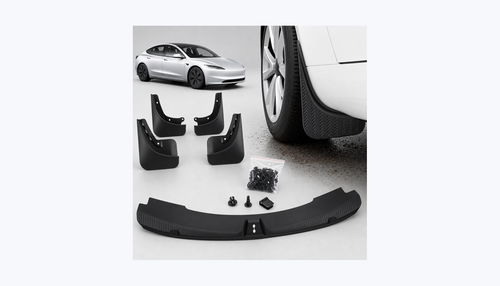
Gear up your Model 3 with tested, custom-fit BASENOR accessories — shop Model 3 accessories →
Sources & reporting notes
The links below identify the material source records used for this report.
- @TeslaNewswire on X (2026-04-04T19:04:36.000Z) — Direct source
Source links are preserved as published or accessed. See our editorial standards and corrections policy.
The BASENOR Editorial Desk covers Tesla, SpaceX, and related technology, curating reporting from primary sources — official accounts, regulatory filings, and software release data. Every article passes source-record and fact-checking review before publication. About the newsroom.
This report was curated by the BASENOR Editorial Desk from the sources listed above. Read our editorial standards or email editorial@basenor.com to report an error.