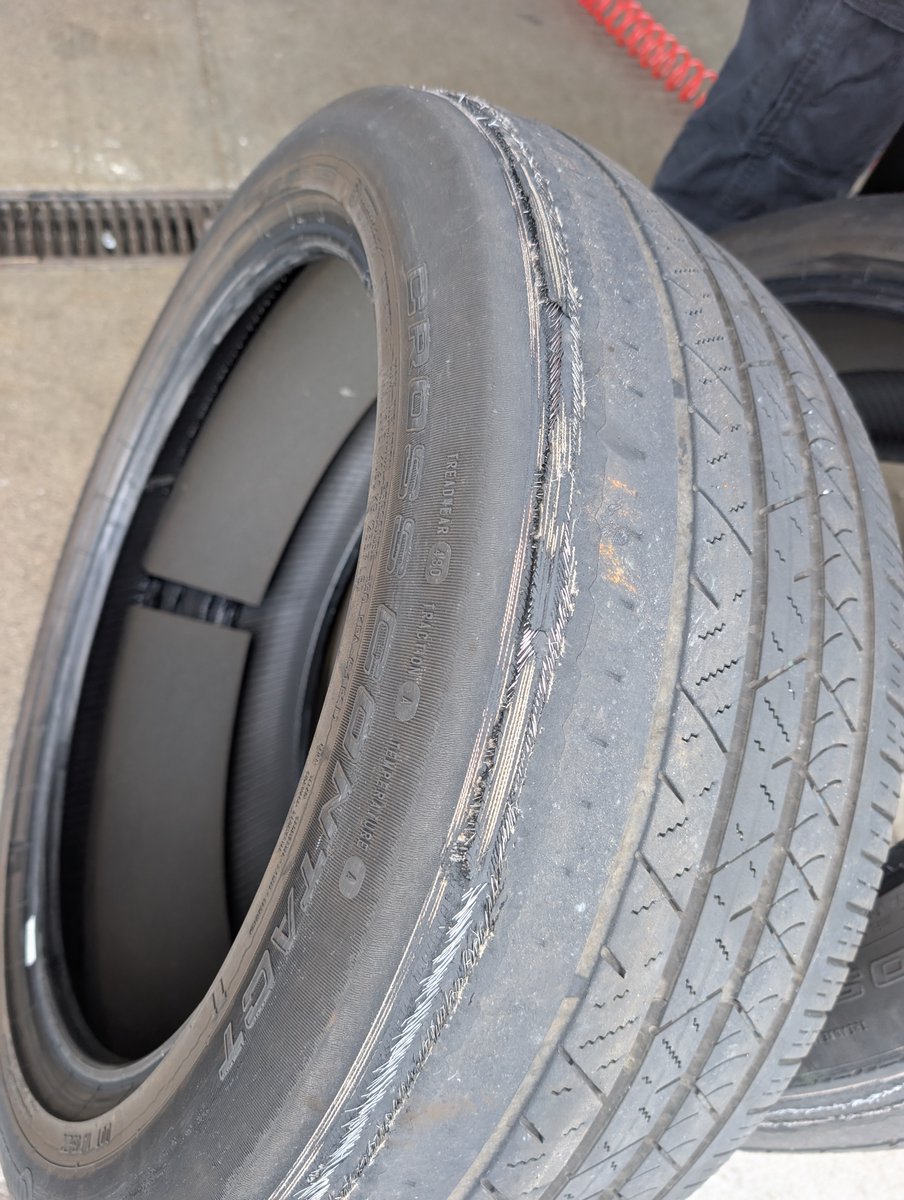
If you own a Tesla Model S or Model X, there's a suspension quirk worth knowing about — and checking for. Tesla enthusiast and reverse engineer @greentheonly has issued a periodic reminder that these two models are particularly prone to inner tire thread wear, a problem rooted in how Tesla engineered their adjustable suspension system. Left unchecked, it can quietly destroy a set of tires before you ever notice anything wrong from the driver's seat.


Why the Model S and X Are Especially Vulnerable
The Model S and X both use an adjustable air suspension system. While that delivers a genuinely excellent ride, the design makes achieving a precise wheel alignment significantly harder than on a conventional setup. Camber and toe settings that look acceptable on the outer edge of the tire can mask aggressive wear happening on the inner shoulder — the part of the tire that faces the chassis and is nearly invisible during a casual walkaround.
The result: many owners don't discover the problem until a tire is already dangerously worn or structurally compromised. This isn't a new issue, but it's persistent enough that @greentheonly felt it warranted a fresh reminder to the community.
It's also worth noting that Tesla ended production of the Model S and X in May 2026. That means the cars on the road today are the last of the line — and keeping them in good mechanical shape matters more than ever if you plan to run yours long-term.
How to Check Your Tires for Inner Wear
Inner thread wear won't show up in a quick glance at your parked car. You need to get hands-on. Here's how to do it properly:
- Jack up the vehicle or use a lift. You need to see the full inner shoulder of each tire. A floor jack with jack stands works; a professional lift is better. Do not rely on a visual inspection from standing height.
- Run your hand along the inner edge of each tire. Feel for a sharp, feathered, or noticeably thinner edge on the inside compared to the outside tread. Uneven wear across the width of the tread is a red flag.
- Compare inner vs. outer tread depth. Use an inexpensive tread depth gauge (available at any auto parts store). If the inner measurement is significantly lower than the outer, your alignment is pulling wear to the inside.
- Check all four corners. Inner wear can affect front and rear tires differently depending on how the suspension is set. Don't stop after checking the fronts.
- Look for cupping or scalloping. These patterns — wavy, uneven patches across the tread — can indicate suspension component wear beyond just alignment, and warrant a closer mechanical inspection.
What to Do If You Find Wear
If you spot uneven inner wear, don't just rotate the tires and move on — that only spreads the damage. The underlying alignment issue needs to be addressed first.
- Book a four-wheel alignment at a shop experienced with Tesla air suspension. Not every alignment shop is comfortable with the Model S and X setup. Ask upfront whether they've worked on these vehicles before. A shop that hasn't may set the alignment to generic specs that don't account for Tesla's suspension geometry.
- Ask specifically about camber correction. Excessive negative camber (top of the tire tilting inward) is the most common cause of inner wear on these models. Some owners opt for aftermarket camber adjustment kits to give the alignment shop more range to work with.
- Replace any tires that are worn below safe limits. If the inner shoulder is at or below 2/32", the tire needs to go regardless of how the outer tread looks. A tire worn unevenly is also more prone to sudden failure.
- Re-check after 5,000–7,500 miles. Even after a proper alignment, the S and X suspension can drift. Building a regular inspection cadence into your ownership routine is the most reliable way to catch it early.
Inner tire wear is one of those problems that's cheap to fix when caught early and expensive to ignore. If you haven't physically inspected the inner shoulders of your Model S or X tires recently, this is a good prompt to do it this weekend.
Related Gear
Gear up your Model S & X with tested, custom-fit BASENOR accessories — shop Model S & X accessories →
Sources & reporting notes
The links below identify the material source records used for this report.
- @greentheonly on X (2026-09-19T18:15:15.000Z) — Direct source
Source links are preserved as published or accessed. See our editorial standards and corrections policy.
The BASENOR Editorial Desk covers Tesla, SpaceX, and related technology, curating reporting from primary sources — official accounts, regulatory filings, and software release data. Every article passes source-record and fact-checking review before publication. About the newsroom.
This report was curated by the BASENOR Editorial Desk from the sources listed above. Read our editorial standards or email editorial@basenor.com to report an error.