Teslascope has flagged a new, undocumented feature quietly active in Tesla vehicles: Blind Spot Warning While Parked. The system uses Tesla's existing cameras to detect approaching cyclists, pedestrians, and vehicles when the car is stationary — and actively warns occupants before they swing a door open. It's a direct answer to the "dooring" problem, and Tesla didn't say a word about it in any official release notes.

What exactly does Blind Spot Warning While Parked do?
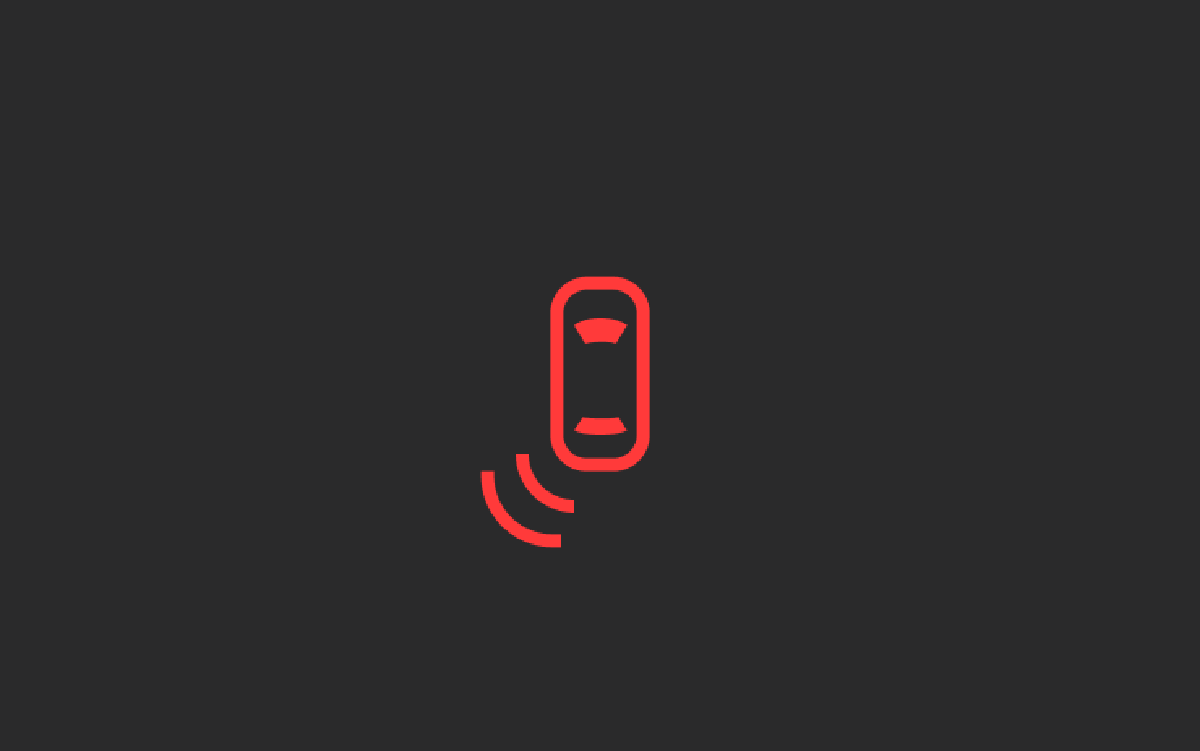
When your Tesla is parked and the system detects an approaching object — a passing car, a cyclist, or a pedestrian — in the blind spot zone beside the vehicle, it triggers a multi-layered alert to stop occupants from opening the door into traffic. According to verified reports, this includes a flashing visual indicator on the relevant side of the car, an audible internal chime, and — most notably — physical resistance on the door itself. The door won't swing freely on the first press; you have to deliberately override the warning with a second press to proceed. That last element is what separates this from a passive notification.
Is this actually new, or has it been around for a while?
It's newer than most owners realize, and the rollout has been gradual. According to teslaoracle.com and teslascope.com, the feature first appeared on the new Model 3 in China with software version 2024.26.9, then expanded globally with the 2024.44.3 Holiday Update. The Cybertruck received it around March 31, 2026 via the 2026.8 software update. What Teslascope flagged today may represent a further expansion or a newly detected variant of the feature — the fact that it's appearing in their detection system now suggests it's reaching vehicles or configurations that didn't previously have it.
What are the Blind Spot Warning Accent Lights?
A related enhancement — Blind Spot Warning Accent Lights — was introduced with the 2026.14.2 software update on April 22, 2026, as part of the broader 2026 Spring Update. When the system detects an object in the blind spot while parked (or when a turn signal is engaged while driving), the interior ambient accent lights turn red on the relevant side. It's a subtle but effective layer of awareness, especially in noisy environments where an audible chime might be missed.
Does this require new hardware?
No. The system runs entirely on Tesla's existing camera-based sensor suite. No new hardware is required for HW4-equipped vehicles — the cameras already monitoring your surroundings are doing the work here. This is a software-only capability, which means it can be pushed to compatible vehicles over the air without any physical changes.
Which vehicles have it, and how do I know if mine does?
Based on available information, the feature has been confirmed on the refreshed Model 3, and the Cybertruck (AI4) running software 2026.14 or later. Broader availability across Model Y, Model S, and Model X is less clearly documented at this stage. The simplest check: look in your vehicle's Controls → Safety menu for any blind spot-related settings. If the feature is active on your vehicle, the option should appear there. If you don't see it yet, it may still be rolling out to your configuration.
Why didn't Tesla announce this officially?
Tesla routinely ships features without documenting them in official release notes — it's a pattern that Teslascope and the wider owner community have tracked for years. Some features appear quietly in one region or on one model first, then get formally acknowledged (or not) as they expand. The dooring-prevention angle here is genuinely significant from a safety standpoint, which makes the lack of official communication all the more notable. Whether Tesla will formally document this in a future update remains to be seen.
For owners in urban environments — parallel parking on busy streets, tight garage exits, bike lanes — this is the kind of feature that could prevent a genuinely serious incident. Keep an eye on your software version and check your Safety settings after your next update.
📋 Tracking Tesla software? See every firmware, FSD and app version in one place in our Tesla Software Update Tracker.
Related Gear
Gear up your Tesla with tested, custom-fit BASENOR accessories — shop Tesla accessories →
Sources & reporting notes
The links below identify the material source records used for this report.
- @teslascope on X (2026-06-19T18:37:38.000Z) — Direct source
Source links are preserved as published or accessed. See our editorial standards and corrections policy.
The BASENOR Editorial Desk covers Tesla, SpaceX, and related technology, curating reporting from primary sources — official accounts, regulatory filings, and software release data. Every article passes source-record and fact-checking review before publication. About the newsroom.
This report was curated by the BASENOR Editorial Desk from the sources listed above. Read our editorial standards or email editorial@basenor.com to report an error.