📌 UPDATE — October 26, 2026
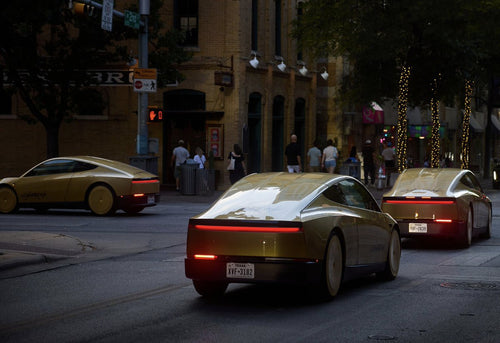
Tesla Chief Designer Franz von Holzhausen arrived at the Petersen Automotive Museum dinner driving the new Tesla Roadster, giving onlookers one of the most public real-world glimpses of the car yet. The dihedral doors were on full display, and attendees were treated to a look inside the rear compartment, where the Composite Overwrapped Pressure Vessel (COPV) was clearly visible. The COPV is a key component tied to the rumored optional SpaceX thruster package, which uses compressed air to deliver additional acceleration and downforce. This marks one of the first confirmed public sightings of the COPV in an actual production-intent Roadster, lending further credibility to the SpaceX package as a real, near-production feature rather than a concept-stage idea.
@SawyerMerritt · Oct 26, 2026
"Franz pulling up to the Petersen dinner in the new Tesla Roadster. Love the dihedral doors. They popped the rear so everyone could look at the COPV."

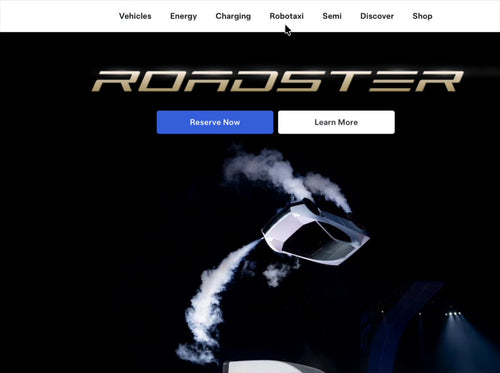
Ten days after Tesla's redesigned Roadster made its public debut on October 15, new specifics about the Performance trim are coming into focus. Insider Sawyer Merritt shared a fresh batch of details Sunday morning covering the car's door design, aerodynamic systems, and track-focused driving mode — all flagged as subject to change, but detailed enough to paint a clear picture of what the top-tier Roadster is targeting.

What the Performance Trim Actually Gets
The four headline items from Merritt's post map to a car that's clearly engineered around track use as much as road use. Here's what's been detailed:
Dihedral doors with removable roof panels. These are the butterfly-style scissor doors visible in reveal footage, paired with two removable roof sections that let the car run as a full convertible. It's a meaningful distinction from lower trims — and a packaging challenge Tesla has apparently solved for a two-seat cabin.
Active Track Mode. According to background research, engaging Track Mode drops the car approximately 40 millimeters via adaptive suspension and can triple suspension stiffness. The in-car interface shows a live circuit map alongside lap times, brake temperatures, motor temperatures, tire temps, and tire pressures. Drivers can adjust aero balance, brake balance, stability control, traction control, and fan modes from within the same screen.
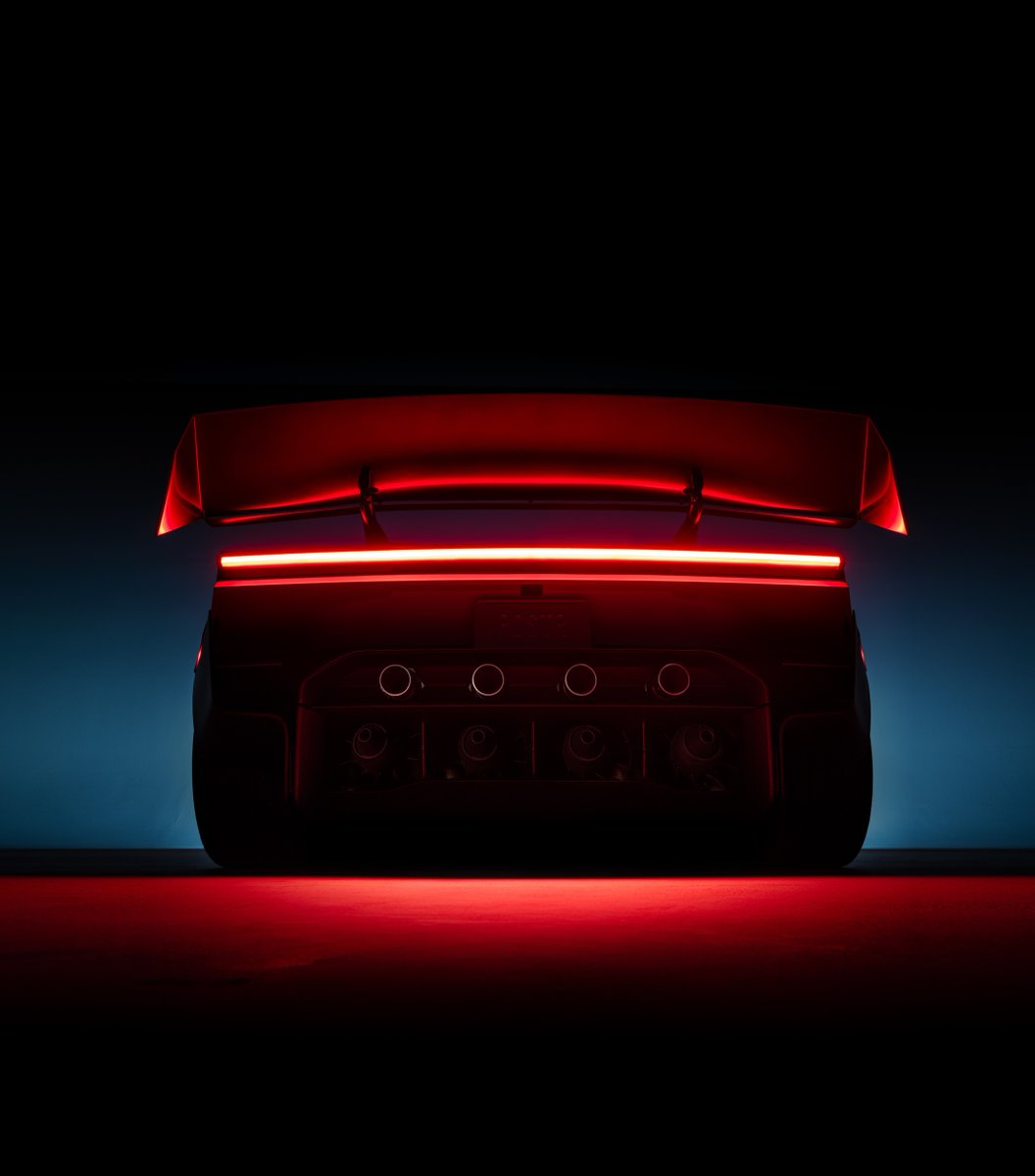
Active aerodynamics — wings and barge boards. The rear wing adjusts automatically between high-downforce and low-drag configurations and can function as an airbrake. Movable grilles in the front intake, a swiveling bonnet vent, and extending barge board elements behind the front wheels round out the active aero package. These components move in real time based on speed, mode, and driver input.
Powered aerodynamics — the fan system. This is the most unusual element. Tesla's multi-mode fan system deploys ground-sealing skirts along the sides, front, and rear of the car to create suction beneath it, generating downforce even at zero speed. Tesla has claimed the system can generate enough suction to theoretically hold the car upside down — a claim that will require independent verification, but signals the ambition behind the engineering.

The Numbers Behind the Performance Claim
| Metric | Target | Notes |
|---|---|---|
| 0–60 mph | Under 1.6 sec | Announced target |
| Top speed | 230+ mph | Announced target |
| Range | 300+ miles | Not EPA/WLTP certified |
| Power output | ~1,000–1,500 hp | Reports vary; ~1 MW base |
| Torque | ~960 lb-ft+ | Higher trims offer more |
| Battery | ~150 kWh (4680 cells) | Tesla's fastest-charging pack to date |
| Charge time (15–85%) | ~10 minutes | Requires newest Superchargers |
| Lateral g-force | Greater than 2g | Claimed cornering target |
| Curb weight (lightest) | Under 1,700 kg | Target, not confirmed |
| Drivetrain | RWD, dual motor | Individual inverters for torque vectoring |
| Reservation deposit | $50,000 | Final purchase price not announced |
| Production start | 2028 (target) | Subject to change |

Why the Aero System Is the Real Story
The performance numbers are striking, but they're also the kind of figures that get revised between announcement and production. What's harder to walk back is the architecture — and the Roadster's active aero stack is genuinely unlike anything Tesla has shipped before.
The combination of passive active aero (adjusting wings and barge boards based on conditions) with powered downforce generation via fans puts this in territory typically occupied by prototype racing machinery and a small number of ultra-high-end road cars. The ground-sealing skirt system in particular is a significant engineering commitment: it requires tight tolerances, reliable actuation at speed, and integration with the suspension system that drops the car 40mm in Track Mode. If it works as described, the Roadster wouldn't just be fast in a straight line — it would corner at forces that exceed what most drivers have ever experienced in a road car.
The rear-wheel-drive, dual-motor configuration with independent inverters for torque vectoring is also worth noting. RWD on a car targeting 2g+ cornering is a deliberate choice — one that prioritizes driver feel and mechanical balance over the all-weather traction that AWD provides. That's a track-first philosophy baked into the powertrain layout itself.

With production targeted for 2028 and a $50,000 reservation deposit already required, the Roadster Performance is clearly being positioned as a serious driver's machine rather than a halo showpiece. Whether the final production car delivers on these specifications is a question that won't be answered for at least two years — but the direction of travel is now much clearer than it was a week ago.
Related Gear
Gear up your Tesla with tested, custom-fit BASENOR accessories — shop Tesla accessories →
Sources & reporting notes
The links below identify the material source records used for this report.
- @SawyerMerritt on X (2026-10-25T05:13:41.000Z) — Direct source
Source links are preserved as published or accessed. See our editorial standards and corrections policy.
The BASENOR Editorial Desk covers Tesla, SpaceX, and related technology, curating reporting from primary sources — official accounts, regulatory filings, and software release data. Every article passes source-record and fact-checking review before publication. About the newsroom.
This report was curated by the BASENOR Editorial Desk from the sources listed above. Read our editorial standards or email editorial@basenor.com to report an error.