Tesla's Robotaxi program is moving fast — and the details emerging this week tell a more complete story than the headline numbers alone. From fleet composition and subscription economics to operational reach and competitive positioning, here's what's actually worth paying attention to.
1. The Fleet Just Crossed 1,306 Vehicles
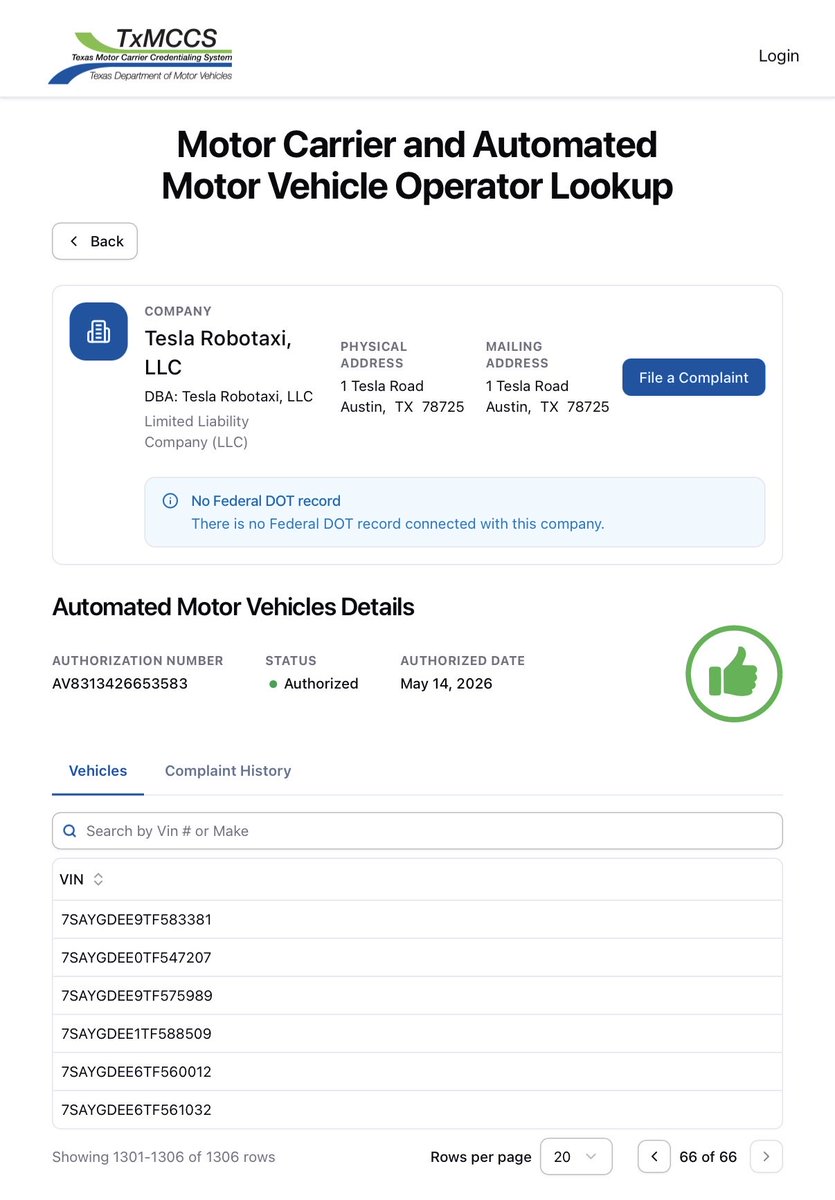
As of November 15, Tesla's official Austin Robotaxi fleet stands at 1,306 registered vehicles — 733 Model Ys (56%) and 573 Cybercabs (44%), according to @TeslaNewswire. That's up from 1,302 vehicles reported just days earlier on November 10, meaning Tesla is actively adding cars in small batches rather than in large drops. The Model Y still leads by count, but the Cybercab is closing the gap as Gigafactory Texas production ramps. Elon Musk stated on November 6 that Cybertruck output will be reduced by mid-2027 specifically to free up capacity for more Cybercabs.

2. The $300/Month Subscription Includes More Than You Think
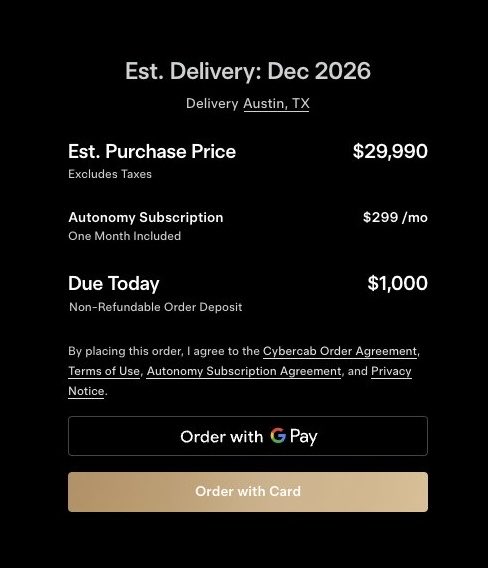
There's been some sticker-shock reaction to the roughly $300/month autonomy subscription price, but @wholemars points out that a significant chunk of that fee is essentially a maintenance bundle. Flat tire replacement, broken wheel repair, cracked windshield repair, windshield washer fluid top-ups, camera cleaning, and routine inspections are all reportedly folded in. For a vehicle running 24/7 in commercial service, that's not trivial — those are real costs that would otherwise fall on the vehicle owner. The subscription model effectively turns unpredictable maintenance expenses into a fixed monthly line item.

3. The Service Now Runs 24/7 Across Eight Cities
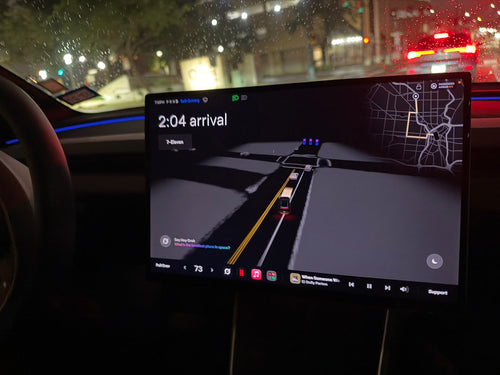
Tesla's Robotaxi isn't just an Austin experiment anymore. According to background reporting, the service went 24-hour on November 12 across all eight unsupervised markets: Austin, San Antonio, Houston, Fort Worth, Dallas, Miami, Orlando, and Tampa. That's a meaningful operational step — round-the-clock availability changes the unit economics of each vehicle and expands the addressable rider base considerably. Most ride-hail competitors scale back overnight; Tesla's fleet doesn't clock out.
4. Tesla Is Doing Things Waymo Can't
That's not just fan enthusiasm — it's an observation that's gaining traction among close observers of the autonomous vehicle space. @wholemars flagged this directly, linking to evidence of Tesla operating in conditions or scenarios that Waymo's current hardware and geo-fencing approach doesn't support. The core structural difference: Tesla's vision-only system is designed to generalize across any geography, while Waymo's lidar-dependent platform requires extensive pre-mapping of each new market. That distinction matters enormously for scaling.

5. Cybercab Production Has a Clear Runway
Cybercab production started at Gigafactory Texas in April 2026, and the ramp trajectory is visible in the weekly fleet numbers. With Musk's stated plan to shift Cybertruck production capacity toward Cybercabs by mid-2027, the 44% Cybercab share of the current fleet is likely a floor, not a ceiling. The purpose-built Cybercab — designed specifically for autonomous commercial service, without a steering wheel or pedals — has a structural cost and efficiency advantage over repurposed Model Ys in a robotaxi context. As production scales, expect the fleet mix to tilt further toward Cybercabs.
The picture that emerges from this week's data isn't just about a fleet hitting a round number. It's about a service model that's quietly becoming harder to dismiss: expanding geography, a subscription structure that bundles real operational costs, and a vehicle platform built from the ground up for the job. The next inflection point to watch is how quickly that Cybercab share climbs as the Gigafactory Texas line accelerates.
🚕 Following the Robotaxi rollout? See every operating city, launch date and announced market in our Tesla Robotaxi Tracker.
Related Gear
Gear up your Tesla with tested, custom-fit BASENOR accessories — shop Tesla accessories →
Sources & reporting notes
The links below identify the material source records used for this report.
- @TeslaNewswire on X (2026-11-15T08:19:52.000Z) — Direct source
- @wholemars on X (2026-11-15T08:26:13.000Z) — Direct source
- @wholemars on X (2026-11-15T08:53:33.000Z) — Direct source
Source links are preserved as published or accessed. See our editorial standards and corrections policy.
The BASENOR Editorial Desk covers Tesla, SpaceX, and related technology, curating reporting from primary sources — official accounts, regulatory filings, and software release data. Every article passes source-record and fact-checking review before publication. About the newsroom.
This report was curated by the BASENOR Editorial Desk from the sources listed above. Read our editorial standards or email editorial@basenor.com to report an error.