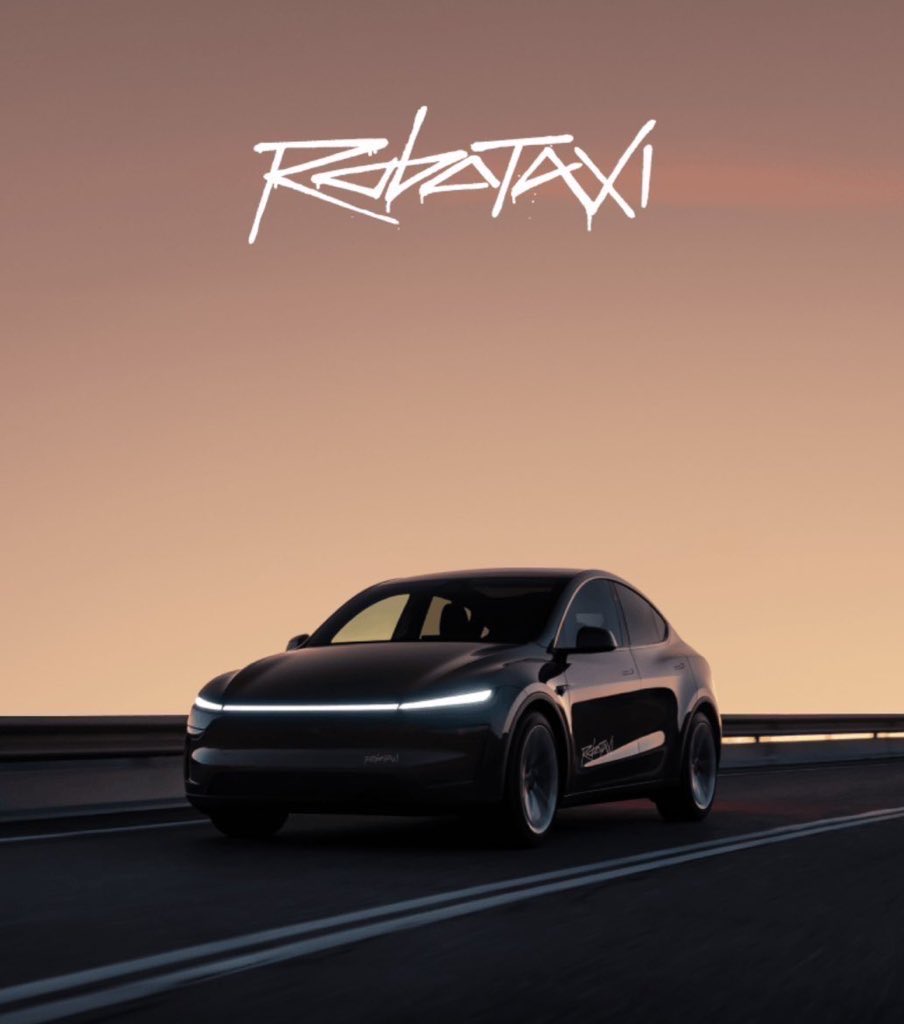
Tesla's Bay Area rideshare service just crossed a meaningful threshold: as of July 21, 2026, passengers can now request pickups and drop-offs at San Francisco International Airport. The expansion was confirmed directly by @Tesla_AI and echoed by Elon Musk within minutes. Here's what the move actually means — and what it doesn't.


1. This Is a Real Permit, Not a Pilot Sticker
Tesla vehicles operating at SFO carry an official SFO Authorized Limousine Permit (LP-263002), issued by the City and County of San Francisco under California's Transportation Charter Party (TCP) framework. That permit is valid through January 31, 2027. The TCP classification matters: it legally categorizes the service as a chauffeur operation, which is why you'll have a human safety monitor in the vehicle — not because Tesla chose to add one as a precaution, but because the regulatory structure requires it.
2. A Human Safety Monitor Is Always Present
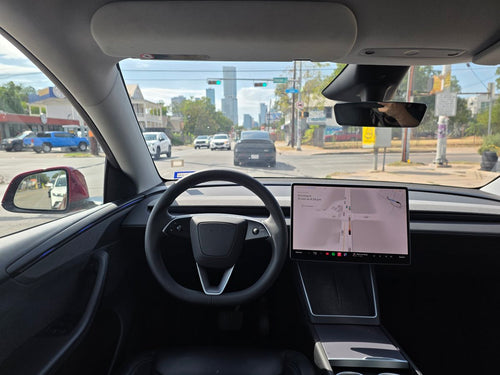
Every Tesla operating in this service — at SFO or anywhere else in the Bay Area — has a human safety driver behind the wheel. California regulators currently classify Tesla's Full Self-Driving system as SAE Level 2, meaning the human must remain available to take control at any time. This is not a fully driverless robotaxi in the Waymo sense. For passengers, the practical experience is closer to a supervised autonomous ride than a traditional Uber — but the distinction matters for anyone expecting a hands-free, no-human experience.

3. The Groundwork Was Laid Over a Year Ago
This didn't happen overnight. Tesla began formal engagement with Bay Area airports — SFO, San Jose Mineta (SJC), and Oakland (OAK) — back in September 2025 to secure operational approvals. SJC was the first to come online, on October 27, 2025. SFO, the busiest of the three and the one with the most complex permitting requirements, took roughly nine additional months to clear. Spotted in mid-June 2026 with permit stickers already affixed, the Model Y vehicles were clearly running test routes well before today's public announcement.

4. Access Is Still Invite-Only
Don't open the Tesla app expecting to hail a ride to the terminal just yet — unless you're already in the program. The Bay Area rideshare service remains invite-only, available to select Tesla owners, employees, and their friends and family. The service launched across a broad geofenced area of the Bay Area in late July 2025, covering territory from north of the Golden Gate Bridge down past San Jose. SFO's addition expands where existing users can go, but it doesn't open the doors to new users. If you haven't received an invite, the SFO expansion doesn't change your access today.

5. Oakland Is the Obvious Next Step
With SJC live since October 2025 and SFO now confirmed, Oakland International (OAK) is the remaining major Bay Area airport where Tesla initiated engagement in September 2025. No announcement has been made for OAK, but the pattern suggests it's a matter of permitting timelines rather than intent. For Tesla, completing the Bay Area airport trifecta would give the service genuine end-to-end utility for travelers — and would strengthen the case that the robotaxi network can handle the logistical complexity of commercial airport operations before a broader public rollout.
The SFO expansion is incremental progress, but it's the kind that compounds. Airport routes are high-demand, high-visibility use cases — exactly the environment where a maturing autonomous service needs to prove itself before regulators and the public will accept a fully driverless version. For now, the safety monitor stays. The permit expires January 2027. A lot can change before then.
🚕 Following the Robotaxi rollout? See every operating city, launch date and announced market in our Tesla Robotaxi Tracker.
Related Gear
Gear up your Model Y with tested, custom-fit BASENOR accessories — shop Model Y accessories →
Sources & reporting notes
The links below identify the material source records used for this report.
- @Tesla_AI on X (2026-07-21T04:15:52.000Z) — Direct source
- @elonmusk on X (2026-07-21T04:17:06.000Z) — Direct source
- @SawyerMerritt on X (2026-07-21T04:17:51.000Z) — Direct source
- @wholemars on X (2026-07-21T04:19:37.000Z) — Direct source
- @TeslaNewswire on X (2026-07-21T04:50:59.000Z) — Direct source
Source links are preserved as published or accessed. See our editorial standards and corrections policy.
The BASENOR Editorial Desk covers Tesla, SpaceX, and related technology, curating reporting from primary sources — official accounts, regulatory filings, and software release data. Every article passes source-record and fact-checking review before publication. About the newsroom.
This report was curated by the BASENOR Editorial Desk from the sources listed above. Read our editorial standards or email editorial@basenor.com to report an error.