📌 UPDATE — April 8, 2026
Tesla's Robotaxi program is hitting a significant autonomy milestone: according to data from @RtaxiTracker, 22% of the Austin Robotaxi fleet is now operating unsupervised. Even more striking, one third of all Robotaxi rides reported in the past week were unsupervised — a strong signal that Tesla is rapidly scaling driverless operation beyond early trials.


Source: @wholemars via @RtaxiTracker data, April 7, 2026
30-Second Brief
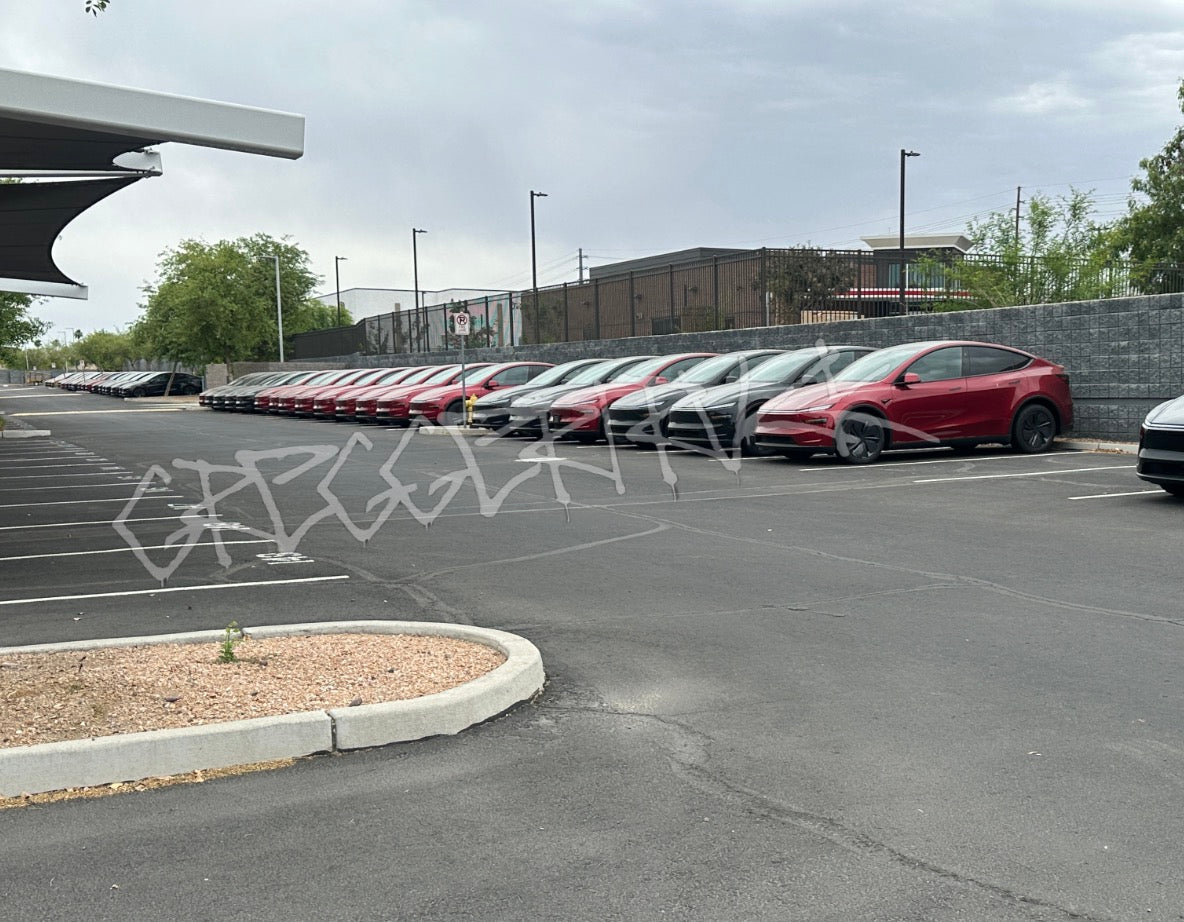
The News: Tesla's Robotaxi program is preparing to launch in many new cities, with approximately 60 Model Ys spotted testing in Phoenix — all equipped with a new rear camera washer — signaling a major rollout planned for this quarter.
Why It Matters: This is the clearest on-the-ground evidence yet that Tesla's autonomous ride-hailing ambitions are moving from Austin pilot to genuine national scale — potentially reaching your city in 2026.
Sources: @wholemars · @TeslaNewswire
Tesla Robotaxi Expansion Is Accelerating: ~60 Model Ys Spotted Testing in Phoenix as Multi-City Rollout Looms
Tesla's Robotaxi program just dropped its biggest expansion signal yet. Within the span of minutes on April 6, two credible Tesla watchers flagged the same story from different angles: a fleet of roughly 60 Robotaxi Model Ys testing in Phoenix, and word that many new cities are preparing to come online. For a program that launched commercially in Austin just months ago, this is a meaningful step-change in ambition.

Phoenix Is More Than a Test — It's a Staging Ground
Spotting 60 Robotaxi Model Ys in one city at one time is not routine testing. For context, Tesla's entire Robotaxi fleet in Austin was estimated at roughly 30–40 Model Ys as of early March 2026. Phoenix now appears to have a larger concentration than the program's original home base — which tells you something significant about the pace of vehicle deployment.
Tesla received its Arizona ride-hailing permit back in November 2025, and autonomous vehicle testing with safety drivers had already been approved in the state prior to that. The regulatory groundwork is laid. What we're watching now is the operational buildup.

The Rear Camera Washer Detail Is Worth Noting
Every one of the ~60 Phoenix vehicles reportedly features a rear camera washer — a hardware addition not standard on consumer Model Ys. In an autonomous vehicle operating without a driver to pull over and wipe a dirty lens, camera cleanliness is a genuine safety and reliability concern. The fact that this feature appears uniformly across the Phoenix fleet suggests Tesla has standardized it as part of the Robotaxi hardware configuration, not just experimented with it on a handful of units.
It's a small detail that signals operational maturity: Tesla is building vehicles designed to run autonomously for extended periods in real-world conditions.
📊 Key Figures
| Metric | Value | Context |
|---|---|---|
| Robotaxi Model Ys spotted in Phoenix | ~60 | Per @TeslaNewswire sighting |
| Estimated Austin fleet size (early March 2026) | 30–40 | Phoenix fleet already larger |
| Paid Robotaxi miles logged (as of Feb 2026) | ~700,000 | Austin + Bay Area combined |
| New cities targeted for H1 2026 | 7 | Dallas, Houston, Phoenix, Miami, Orlando, Tampa, Las Vegas |
| Arizona ride-hailing permit granted | Nov 17, 2025 | Regulatory runway already clear |
Where the Expansion Is Headed
Tesla's stated target is seven new cities in H1 2026: Dallas, Houston, Phoenix, Miami, Orlando, Tampa, and Las Vegas. Phoenix is clearly the furthest along based on today's sightings. All seven share a common profile — Sun Belt metros with favorable weather, relatively straightforward road geometry, and high ride-hailing demand. That's not an accident. Tesla is building operational confidence in conditions where autonomous driving is most reliable before pushing into more complex urban environments.
Meanwhile, the purpose-built Cybercab is expected to begin production in April 2026. The Model Y fleet being staged in Phoenix now likely serves a dual purpose: generating operational data and revenue while Cybercab production ramps. Once Cybercab units are available at scale, the Model Y Robotaxis may transition to a support or overflow role — or be redeployed to new markets.
🔭 The BASENOR Take
Timeline: Q2 2026 — Phoenix launch appears imminent based on fleet size and testing activity. Other H1 cities likely to follow in waves through June 2026.
Impact Level: 🔴 High — This is the transition from "Austin experiment" to "national autonomous ride-hailing network." The scale difference between 30–40 vehicles in one city and 60+ vehicles pre-staged in a second city before launch is significant.
Confidence: Medium-High. The fleet sighting is reported, not officially confirmed by Tesla. But the regulatory permits are real, the stated city targets are on record, and the hardware details (rear camera washer standardization) suggest these vehicles are close to operational, not just exploratory.
What to watch: Tesla's Q1 2026 earnings call for any Robotaxi revenue disclosure, and the Tesla app for Phoenix availability — that's the moment it becomes real for owners and riders in the region.
📰 Deep Dive
The gap between Austin's cautious rollout and what's being staged in Phoenix is striking. Austin began with supervised rides in the Bay Area and only moved to fully unsupervised operation in limited capacity by January 2026. Phoenix, by contrast, appears to be receiving a pre-built fleet before public launch — suggesting Tesla has internalized lessons from Austin and is deploying with more confidence from day one.
The rear camera washer is worth a second look from a product perspective. Consumer Model Ys don't have one. Cybercab, the purpose-built vehicle, presumably will. The fact that Tesla is retrofitting or configuring Robotaxi Model Ys with this feature underscores that autonomous operation demands a different hardware baseline than human-driven vehicles — one where the car must maintain its own sensor hygiene without any human intervention. It's a small but telling sign of how seriously Tesla is engineering for driverless reliability.
For Tesla owners in the seven target cities, the practical question is whether this expansion translates into anything tangible for them beyond the novelty of seeing Robotaxis on local roads. The answer, for now, is mostly indirect: every mile logged by the Robotaxi fleet feeds the FSD training pipeline, and a larger, more geographically diverse fleet accelerates the improvement curve for all FSD users. The more cities Tesla operates in, the faster the edge cases get solved. That benefits every owner running our FSD coverage topics we track closely — not just Robotaxi riders.
🚕 Following the Robotaxi rollout? See every operating city, launch date and announced market in our Tesla Robotaxi Tracker.
Related Gear
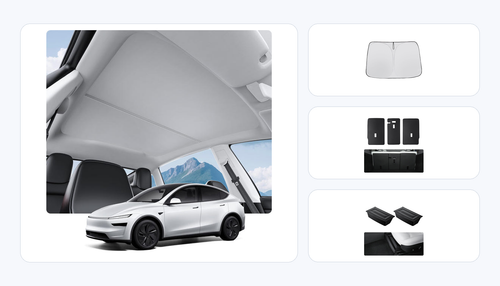
Gear up your Model Y with tested, custom-fit BASENOR accessories — shop Model Y accessories →
Sources & reporting notes
The links below identify the material source records used for this report.
- @wholemars on X (2026-04-06T19:15:39.000Z) — Direct source
- @TeslaNewswire on X (2026-04-06T19:29:13.000Z) — Direct source
- @wholemars on X (2026-04-07T23:45:29.000Z) — Direct source
- @wholemars on X (2026-04-07T23:40:47.000Z) — Direct source
Source links are preserved as published or accessed. See our editorial standards and corrections policy.
The BASENOR Editorial Desk covers Tesla, SpaceX, and related technology, curating reporting from primary sources — official accounts, regulatory filings, and software release data. Every article passes source-record and fact-checking review before publication. About the newsroom.
This report was curated by the BASENOR Editorial Desk from the sources listed above. Read our editorial standards or email editorial@basenor.com to report an error.