📌 UPDATE — September 1, 2026
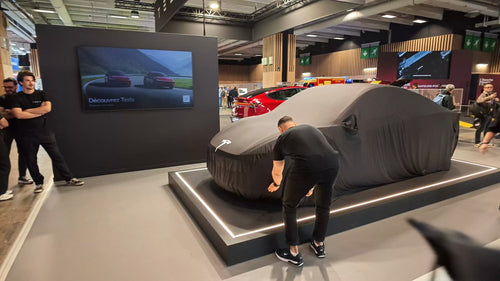
The Cybercab launch is now confirmed to be just two days away, with Tesla actively teasing the rollout as of today. This timing is directly relevant to the criticism at the heart of this article: Fred Lambert doubled down on his analysis Monday, noting that Tesla Robotaxi already costs roughly one-third of Waymo's Austin fares — yet still posted flat ride growth between Q1 and Q2 based on Tesla's own reported figures. Lambert argues this suggests the program needs external catalysts like a Cybercab launch invite campaign to drive expansion, rather than organic demand growth. The juxtaposition is notable: a price advantage that significant failing to move the needle on ridership raises legitimate questions about whether the service's ceiling is a demand problem, a supply problem, or both. We'll be tracking whether the Cybercab launch translates into measurable Q3 ride growth.
@FredLambert · Sep 1, 2026
"Tesla Robotaxi already costs only a third of Waymo in Austin and yet, it can't grow without games like the Cybercab launch invite — based on Tesla's own reporting of flat rides between Q1 and Q2."

Via @TeslaNewswire — Cybercab launch tease, Sept. 1, 2026
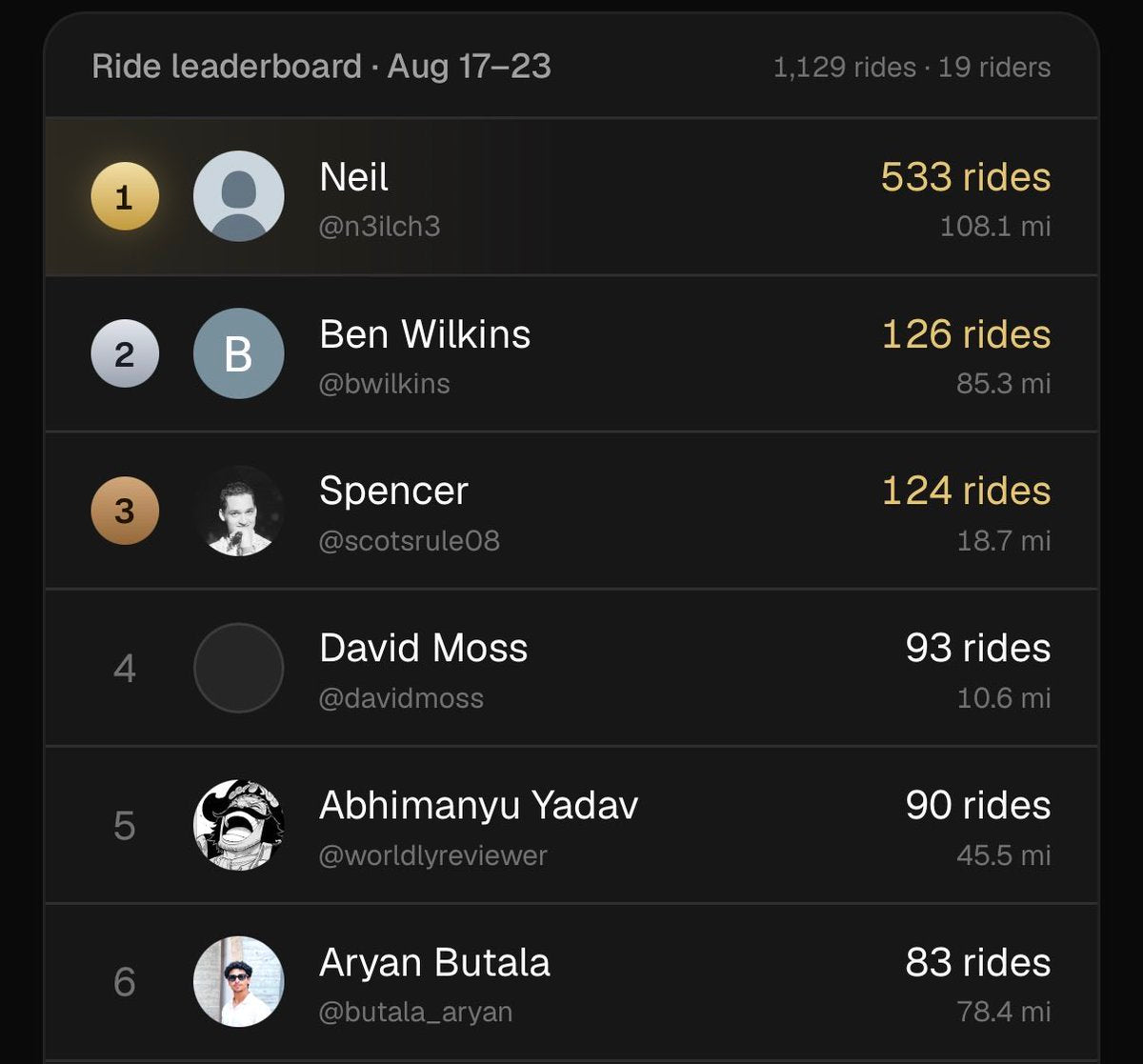
Tesla's Robotaxi program is drawing pointed criticism from one of the EV industry's most-watched commentators. Electrek editor Fred Lambert posted Monday that the program — now 15 months into operation — appears to be logging short, circular rides of under half a mile that return passengers to their starting point, raising questions about whether the reported ride counts reflect genuine commercial traction or something more manufactured.

Lambert's skepticism carries weight in this context. Tesla has been expanding its Robotaxi service using modified Model Ys alongside the dedicated Cybercab platform, and the company has leaned heavily on ride-count milestones as proof of progress. If a meaningful share of those rides are sub-half-mile loops, the headline numbers tell a different story than the one Tesla is presenting. Lambert's blunt conclusion: he can't take the program seriously in its current form.
It's worth noting this is one commentator's read on observed data — not an official audit or regulatory finding. But the underlying question is legitimate and unlikely to go away: as Tesla pushes toward a fully autonomous, driverless commercial fleet, the credibility of its early metrics will matter enormously to investors, regulators, and potential riders alike. Short demonstration loops are a known tactic in the autonomous vehicle space, and scrutiny of how companies count rides has tripped up competitors before.
🚕 Following the Robotaxi rollout? See every operating city, launch date and announced market in our Tesla Robotaxi Tracker.
Related Gear
Gear up your Tesla with tested, custom-fit BASENOR accessories — shop Tesla accessories →
Sources & reporting notes
The links below identify the material source records used for this report.
- @FredLambert on X (2026-08-25T14:24:48.000Z) — Direct source
Source links are preserved as published or accessed. See our editorial standards and corrections policy.
The BASENOR Editorial Desk covers Tesla, SpaceX, and related technology, curating reporting from primary sources — official accounts, regulatory filings, and software release data. Every article passes source-record and fact-checking review before publication. About the newsroom.
This report was curated by the BASENOR Editorial Desk from the sources listed above. Read our editorial standards or email editorial@basenor.com to report an error.