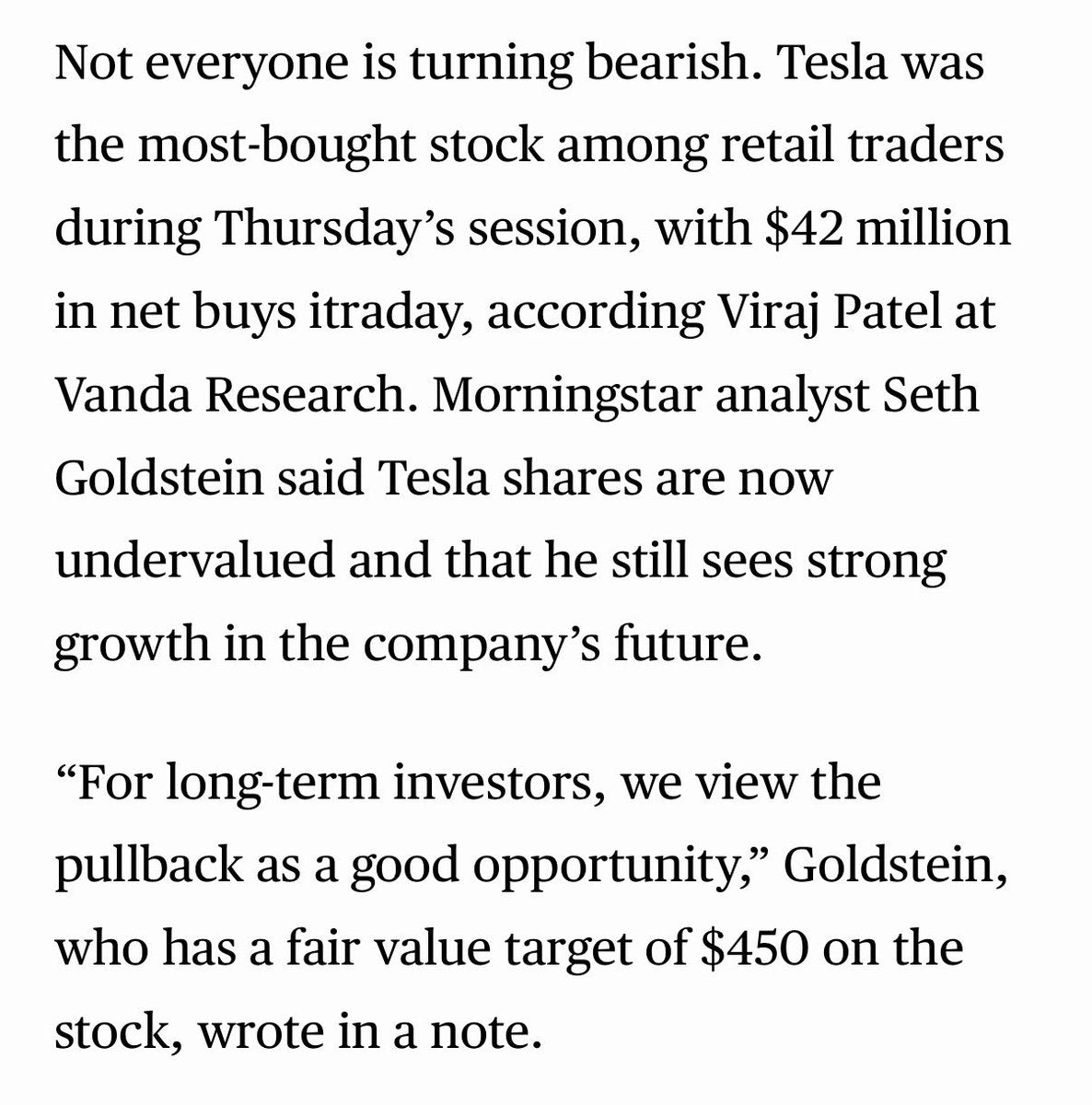
Tesla's Q2 2026 earnings miss sent the stock down roughly 14-15% on July 23 — and retail investors responded by buying it at the fastest pace of any stock that day. According to data from Vanda Research, $TSLA logged $42 million in net intraday buys, making it the top retail purchase of the session. That's a notable divergence: institutions and algorithms sold the news, while individual investors leaned in.

What exactly happened to Tesla's stock on July 23?
Tesla reported Q2 2026 earnings that missed profit expectations, triggering a sharp sell-off. Shares fell approximately 14.5–15% in a single session — a significant single-day move for a company of Tesla's size. The drop reflected institutional and algorithmic reaction to the earnings shortfall.
So retail investors bought into a 15% drop — how much did they put in?
According to Vanda Research, retail investors made $42 million in net buys of Tesla stock during the session, making $TSLA the single most purchased stock among retail participants that day. Net buys means purchases exceeded sales by that margin — it's not total volume, but a directional signal of conviction.
Is this unusual behavior, or do retail investors always buy Tesla dips?
Tesla has a long history of attracting retail buying on pullbacks — it consistently ranks among the most actively traded stocks on retail platforms. But topping the entire market's retail buy list on a day when the stock falls 15% is a meaningful signal. It suggests a core base of individual investors views sharp drops as entry opportunities rather than exit signals, a pattern sometimes called "buy the dip" conviction that has defined Tesla's retail shareholder base for years.
What does this mean for Tesla's stock going forward?
Retail buying alone doesn't reverse a trend driven by institutional selling, but it does provide a demand floor. When $42 million in net retail purchases flows into a stock on its worst day in months, it tends to slow the bleed and can accelerate any recovery once institutional sentiment stabilizes. Whether that happens depends on how Tesla's forward guidance and upcoming product milestones — including Cybercab ramp and Optimus production — are received in the weeks ahead.
Should Tesla owners care about the stock price at all?
If you own a Tesla but not the stock, the day-to-day share price doesn't directly affect your vehicle or its software. What matters more is Tesla's financial health over time — a well-capitalized Tesla continues investing in FSD development, Supercharger expansion, and OTA updates. A prolonged stock decline can constrain those investments, so it's worth watching the trend even if you're not a shareholder.
Related Gear
Gear up your Tesla with tested, custom-fit BASENOR accessories — shop Tesla accessories →
Sources & reporting notes
The links below identify the material source records used for this report.
- @wholemars on X (2026-07-24T01:17:41.000Z) — Direct source
Source links are preserved as published or accessed. See our editorial standards and corrections policy.
The BASENOR Editorial Desk covers Tesla, SpaceX, and related technology, curating reporting from primary sources — official accounts, regulatory filings, and software release data. Every article passes source-record and fact-checking review before publication. About the newsroom.
This report was curated by the BASENOR Editorial Desk from the sources listed above. Read our editorial standards or email editorial@basenor.com to report an error.