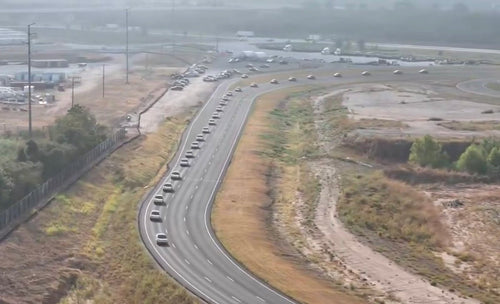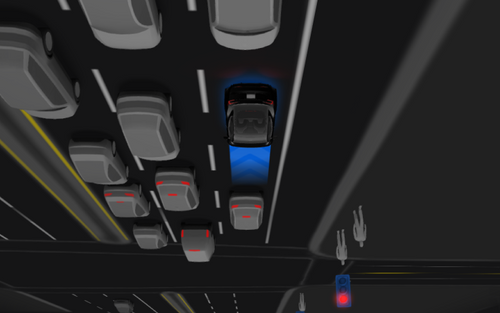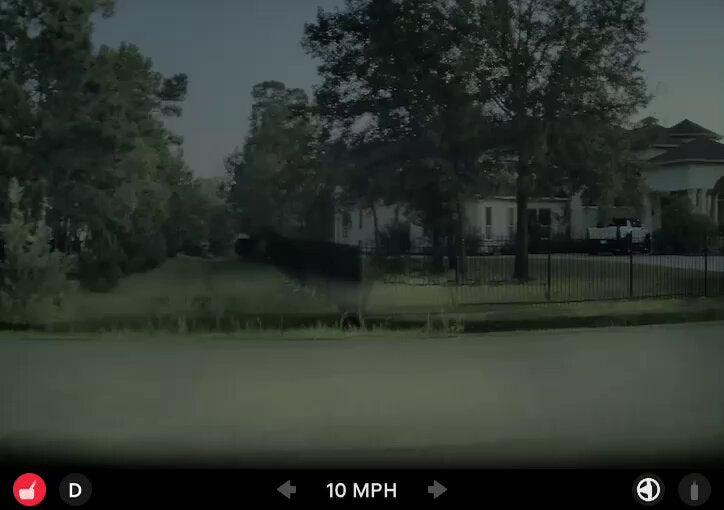
Tesla's Automatic Collision Evasion (ACE) feature has reportedly activated in the real world for the first time. Running on FSD (Supervised) v14.3.9, the system briefly took control of a manually driven Tesla — swerving slightly to the right for roughly one second to avoid a collision — then handed control back to the driver. A brief on-screen message appeared during the maneuver. It's a small moment with significant implications for how Tesla's active safety stack is evolving.

What ACE Actually Does
Automatic Collision Evasion is not a passive alert — it's an active intervention. According to Tesla's official release notes for v14.3.9, ACE engages Full Self-Driving (Supervised) to take physical control of the vehicle when it detects either an imminent collision risk or that the driver is insufficiently attentive (for example, reaching toward the back seat). Once the threat passes, the system returns control to the driver.
The key distinction from features like Automatic Emergency Braking (AEB) is the nature of the response: ACE can steer, not just brake. In the first confirmed real-world activation, the car swerved slightly right — a lateral evasive move that braking alone couldn't have achieved. The whole intervention lasted approximately one second.
What Owners Should Do Right Now
If you're on FSD (Supervised) v14.3.9, ACE is part of your vehicle's active safety layer. Here's how to confirm it's enabled and what to expect:
- Verify your software version. Tap the Tesla logo on your touchscreen → Software. You need v14.3.9 or later. If you're behind, check for a pending update under Software → Update Available.
- Check your FSD settings. Go to Controls → Autopilot → Full Self-Driving (Supervised). ACE operates as part of the FSD stack — it does not require a separate toggle, but FSD must be enabled on your vehicle.
- Know the trigger conditions. ACE can activate when the system detects an imminent collision threat OR when it determines you're not sufficiently attentive while manually driving. Reaching for something in the back seat is cited in the official release notes as an example trigger.
- Don't fight the intervention. If ACE activates, the maneuver lasts roughly one second. A message will appear on screen. The system is designed to return control immediately after the evasive action — resist the instinct to counter-steer aggressively during that window.
- Review your dashcam footage afterward. If you experience an ACE activation, the Sentry/dashcam system will likely have captured it. Go to the Dashcam viewer on your touchscreen or pull the footage from a USB drive to review what triggered the system.
Why This Matters Beyond One Clip
A single dashcam video might seem like a minor data point, but first confirmed activations of new safety systems carry real weight. ACE represents a philosophical shift in how Tesla handles the gap between human inattention and a crash — instead of just warning the driver, the car acts. That's a meaningful expansion of what 'supervised' autonomy means in practice.
It also sets a precedent for how owners will need to think about their role behind the wheel. Manual driving on v14.3.9 is no longer purely manual in every scenario. The system is watching, and under specific conditions, it will move the car. For most owners, that's a safety net. But understanding when and why it fires is worth knowing before it happens to you — not after.
For ongoing coverage of FSD updates and what they mean for your drive, see our FSD coverage.
📋 Tracking Tesla software? See every firmware, FSD and app version in one place in our Tesla Software Update Tracker.
Related Gear
Gear up your Tesla with tested, custom-fit BASENOR accessories — shop Tesla accessories →
Sources & reporting notes
The links below identify the material source records used for this report.
- @TeslaNewswire on X (2026-09-16T17:14:30.000Z) — Direct source
Source links are preserved as published or accessed. See our editorial standards and corrections policy.
The BASENOR Editorial Desk covers Tesla, SpaceX, and related technology, curating reporting from primary sources — official accounts, regulatory filings, and software release data. Every article passes source-record and fact-checking review before publication. About the newsroom.
This report was curated by the BASENOR Editorial Desk from the sources listed above. Read our editorial standards or email editorial@basenor.com to report an error.