
Tesla never mentioned it in any release note, but a hands-on test of FSD V15 is raising a pointed question about how much the system actually depends on the front bumper camera. The short answer, based on early evidence: less than most owners assumed. Here's what we know, and what it could mean for your car.

1. The test was deliberate — and the system didn't flinch
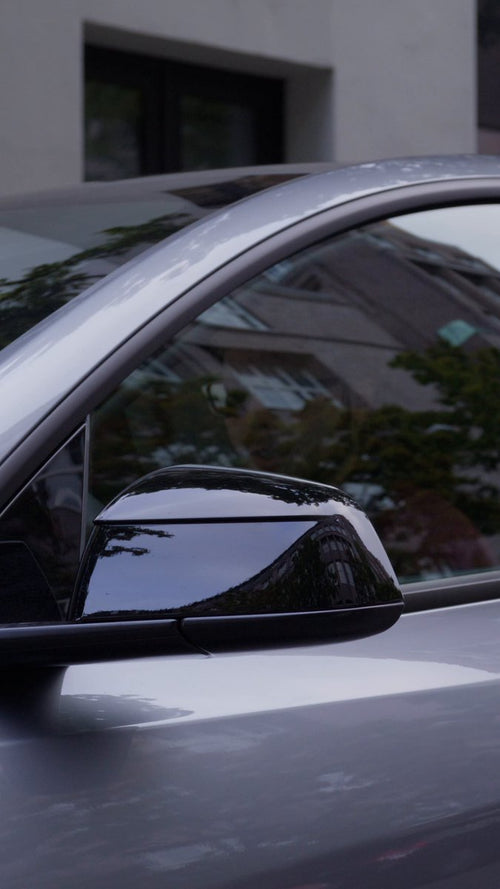
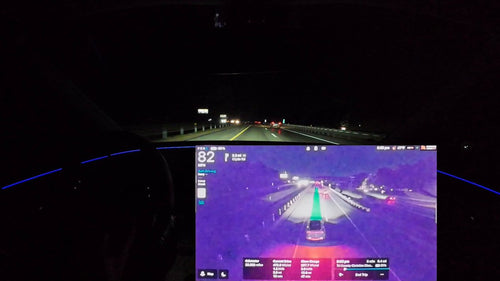
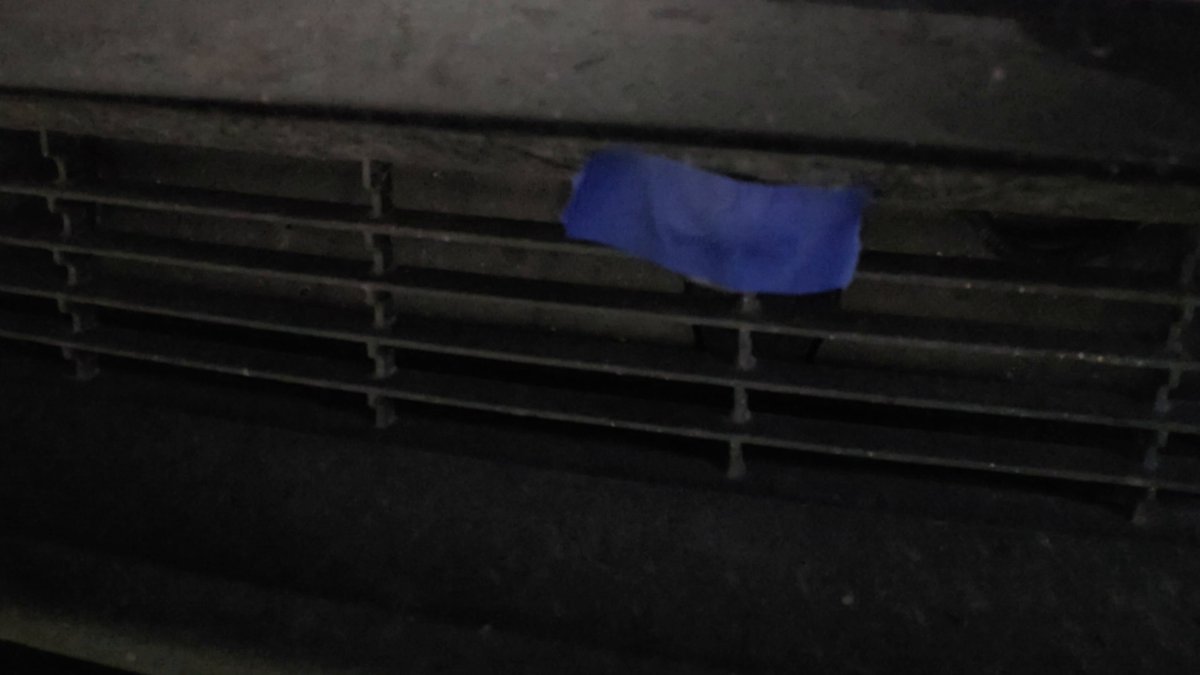
Tesla owner and content creator Dirty Tesla physically covered the front bumper camera on his vehicle and ran FSD V15 through its paces. The result: the system continued to operate without throwing an error or disabling itself. This wasn't a brief highway stretch — it was a genuine attempt to stress-test whether that specific sensor is load-bearing for core FSD functionality. The fact that it held up is the whole story here.
2. FSD V15 runs a fundamentally different vision architecture
Context matters. According to background research, FSD V15 (shipping as part of software update 2026.38.6.11, which began rolling out November 21, 2026) incorporates an upgraded vision encoder that is shared across FSD, meaning the model processes all camera inputs more holistically than previous versions. Earlier FSD generations leaned more heavily on individual camera feeds for specific spatial tasks. V15's unified encoder approach may be precisely why losing one input — even a forward-facing one — doesn't collapse the system's situational awareness the way it might have in, say, FSD v12.
3. The front bumper camera has always been the odd one out
Tesla's camera suite includes eight cameras covering 360 degrees. The front bumper camera sits low and forward, primarily used for close-range detection — parking obstacles, low curbs, objects directly in front of the nose at low speed. The three forward-facing cameras mounted higher on the windshield pillar handle the bulk of long-range and highway perception. So while the bumper camera covers a real gap, it has always been the most situationally narrow of the eight. The surprise here isn't that FSD survived without it — it's that there was apparently no degradation worth noting even in more complex driving scenarios.
4. This is undocumented — Tesla hasn't confirmed anything
Tesla's release notes for V15 make no mention of reduced camera dependency, sensor redundancy improvements, or any change to how the system handles a blocked or failed camera input. This finding comes entirely from a single owner test, not an official changelog. It's strong observational evidence, but it isn't a Tesla engineering disclosure. The practical implication: if your front bumper camera is obscured by mud, a license plate frame, or a minor impact, FSD V15 may handle it more gracefully than you'd expect — but Tesla hasn't told you that, and you shouldn't treat a covered camera as an approved configuration.
5. The timing matters — a wider rollout is coming
FSD V15.0.1 is currently in an initial rollout phase. According to background research, a broader release is expected in December 2026 as part of Tesla's annual Holiday Update. That means the vast majority of FSD-enabled vehicles haven't received V15 yet. Once they do, this camera-redundancy behavior — whatever its underlying cause — will be present across the fleet. Owners who've been worried about FSD performance after minor front-end damage, dirty sensors, or aftermarket front-end modifications will want to watch how this plays out as more testers get hands-on time with the update.
The front bumper camera test is a small data point, but it points at something larger: FSD V15's architecture appears to be more resilient to individual sensor loss than its predecessors. Whether Tesla designed that in deliberately or it's an emergent property of the new vision encoder is unknown. Either way, it's worth tracking as the Holiday Update rolls out to the wider fleet. For our ongoing coverage of FSD changes and software updates, see our FSD coverage.
📋 Tracking Tesla software? See every firmware, FSD and app version in one place in our Tesla Software Update Tracker.
Related Gear
Gear up your Tesla with tested, custom-fit BASENOR accessories — shop Tesla accessories →
Sources & reporting notes
The links below identify the material source records used for this report.
- @DirtyTesLa on X (2026-11-22T06:26:13.000Z) — Direct source
Source links are preserved as published or accessed. See our editorial standards and corrections policy.
The BASENOR Editorial Desk covers Tesla, SpaceX, and related technology, curating reporting from primary sources — official accounts, regulatory filings, and software release data. Every article passes source-record and fact-checking review before publication. About the newsroom.
This report was curated by the BASENOR Editorial Desk from the sources listed above. Read our editorial standards or email editorial@basenor.com to report an error.