📌 UPDATE — August 22, 2026
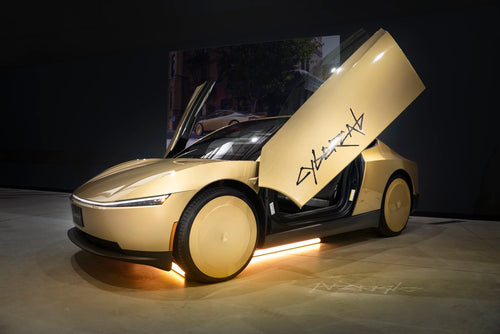
Tesla has officially confirmed the Cybercab launch event will take place on September 3 in Austin, Texas — putting a firm date on what was previously only rumored as "next week." Invitations are actively being sent out via email, suggesting the event is imminent and targeted at a select audience. This marks a significant step forward from the Nevada robotaxi permit approval, moving Tesla's autonomous vehicle rollout from regulatory milestone to public debut. The Austin location aligns with Tesla's growing Texas presence, including its Gigafactory just outside the city.


📌 UPDATE — August 22, 2026
Tesla has officially confirmed the Cybercab Launch Event date: September 3rd in Austin, Texas. Invitations began going out in the early hours of August 22nd, with Tesla's official account sharing the event link and prominent community figures including Sawyer Merritt and Dirty Tesla confirming they received invites. The announcement locks in a date that had previously only been rumored as "as early as next week," turning speculation into a firm calendar event.


Source: @Tesla · @SawyerMerritt
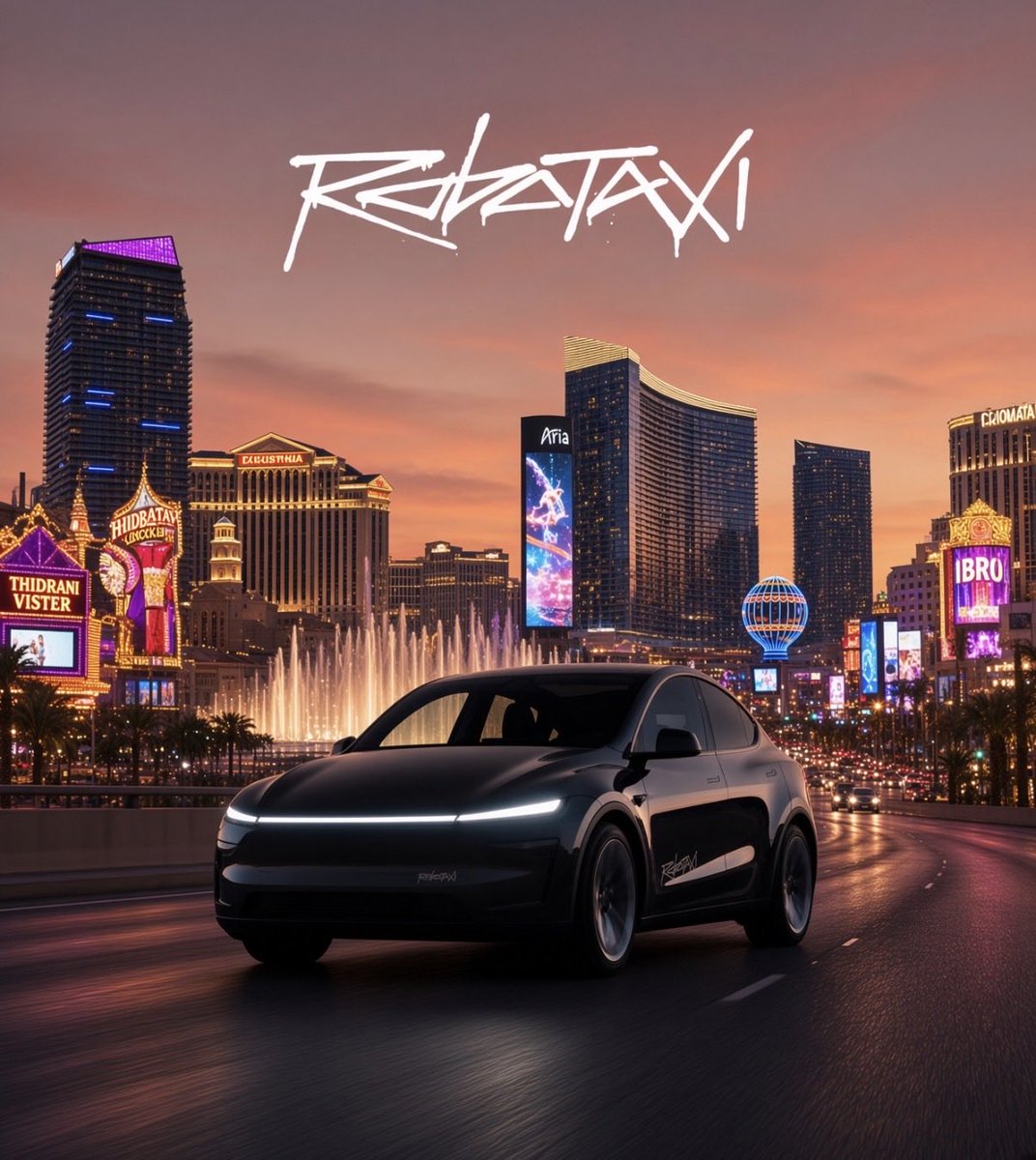
Tesla has secured full regulatory clearance to run a paid, driverless Robotaxi service in Las Vegas — and it's doing so just as the company begins teasing what looks like the public launch of the Cybercab in Austin. The Nevada Transportation Authority granted Tesla Robotaxi, LLC its Autonomous Vehicle Network Company (AVNC) permit on August 20, 2026, authorizing up to 5,000 autonomous vehicles across Clark County over the next 12 months. It's the most consequential regulatory approval Tesla has received for its ride-hail ambitions to date, and it lands the same week Tesla's Robotaxi account began promoting a Cybercab launch event in Austin.
Taken together, the two developments mark a step-change: Tesla's Robotaxi program is moving from geofenced Austin pilot with safety monitors to a multi-state, multi-vehicle commercial network — potentially with a purpose-built vehicle on public roads within days.

What the Nevada Permit Actually Authorizes
The AVNC permit is a major upgrade from the interim order Nevada regulators issued Tesla on July 27, 2026. That earlier authorization capped the fleet at 10 vehicles, restricted operations to the Las Vegas Strip corridor, and explicitly prohibited airport pickups without additional approval. The new permit blows the doors open on all three fronts.
According to filings with the Nevada Transportation Authority, the approval covers:
| Parameter | Interim Order (Jul 27) | Full AVNC Permit (Aug 20) |
|---|---|---|
| Fleet size | 10 vehicles | Up to 5,000 vehicles |
| Coverage area | Las Vegas Strip corridor | All of Clark County |
| Airport service | Prohibited without waiver | Harry Reid Intl + Henderson Executive |
| Permit duration | Short-term interim | 12 months |
| Service type | Limited testing | Paid public rides |
The regulatory footprint is significant. Clark County spans roughly 8,000 square miles and includes not just the Strip but Henderson, North Las Vegas, and Summerlin — meaning Tesla can, on paper, serve every major residential and commercial cluster in the metro area, plus both airports where inbound tourists arrive.
Conditions Tesla Must Follow
The permit isn't unconditional. Per the NTA filing, Tesla Robotaxi vehicles operating in Nevada must be clearly marked "Robotaxi," and passengers must be explicitly informed they are riding in a driverless car. Tesla is required to report any crash, security incident, system failure, communication or data interruption, or disabled robotaxi to the NTA within five working days.
Tesla is expected to launch the paid Nevada service using Model Y crossovers — the same vehicle underpinning the current Austin operation — with commercial rides beginning within roughly 30 days pending vehicle inspections and final insurance verification, according to teslanorth.com and the Las Vegas Review-Journal.
The Cybercab Tease
Roughly eight minutes after posting the Nevada news, @TeslaNewswire noted that Tesla has "started teasing the Cybercab launch" and suggested it could happen "as early as the end of next week or the following week." That timing lines up with what's already been made public: Tesla's Robotaxi account on X is running a sweepstakes for a Cybercab launch event in Austin from August 17 through August 23, 2026, with winners notified August 25.

The Cybercab officially entered production at Gigafactory Texas on April 21, 2026, and is engineered as a two-seat vehicle with no steering wheel and no pedals — a genuine purpose-built robotaxi rather than a retrofitted consumer car. Internal targets, reported by Electrek and Teslarati, point to a public Austin launch as early as August 2026, beginning with employee rides on public roads before the vehicle is folded into the existing Robotaxi service. Austin first responders have already completed emergency training specific to Cybercab operations.
Why the Timing Matters
Tesla currently operates 186 Model Y robotaxis in Austin, according to fleet tracking. Adding the Cybercab to that mix — even in small numbers initially — would give Tesla its first opportunity to demonstrate the economics it has been promising investors for years: a vehicle with no steering wheel, no pedals, and no safety monitor, on public roads, taking paid rides.
The Nevada permit adds the second leg of the story. Until this week, Tesla's autonomous ride-hail business was a single-city operation with a fleet cap under 200 vehicles. As of August 20, it is a two-state operation with authorization for up to 5,000 vehicles in Clark County alone. That's a 25x headroom expansion over the current Austin footprint — and it's happening under a full commercial permit rather than a research or interim testing framework.
What Tesla Owners Should Watch Next
For existing Tesla owners, the near-term impact is indirect but meaningful. Every mile these Robotaxi Model Ys drive under commercial conditions feeds back into the same FSD neural nets that power consumer vehicles. A larger, more diverse operating domain — Las Vegas traffic, airport pickups, Henderson suburban streets — means more edge cases and more training data. Several concrete signals are worth tracking over the next two weeks:
- Cybercab reveal event date: Sweepstakes winners are notified August 25, which sets the earliest plausible window for a public event.
- Nevada commercial launch date: The NTA requires vehicle inspections and insurance verification before paid rides can begin; expect a ~30-day runway from August 20.
- Airport service go-live: Harry Reid International pickups would be a first for any Tesla Robotaxi operation and a genuine test of curbside geofencing and pickup logistics.
- Fleet ramp cadence: The 5,000-vehicle ceiling is over 12 months. How quickly Tesla scales from a handful of Model Ys to hundreds — and whether Cybercabs enter the Nevada fleet at all in year one — will indicate how much of the permit is aspirational versus operational.
The Bigger Picture
Tesla has spent much of 2026 arguing that its approach to autonomy — vision-only, learned rather than mapped, and vehicle-agnostic — can scale faster than lidar-heavy rivals once regulatory doors open. Nevada just opened one of the biggest doors available: a full commercial permit with a five-figure fleet ceiling in a major tourism market. Whether Tesla can walk through it at anything close to that scale, and whether the Cybercab arrives to help, is the story of the next several weeks.
🚕 Following the Robotaxi rollout? See every operating city, launch date and announced market in our Tesla Robotaxi Tracker.
Related Gear
Gear up your Tesla with tested, custom-fit BASENOR accessories — shop Tesla accessories →
Sources & reporting notes
The links below identify the material source records used for this report.
- @TeslaNewswire on X (2026-08-21T05:29:14.000Z) — Direct source
- @TeslaNewswire on X (2026-08-21T05:37:38.000Z) — Direct source
Source links are preserved as published or accessed. See our editorial standards and corrections policy.
The BASENOR Editorial Desk covers Tesla, SpaceX, and related technology, curating reporting from primary sources — official accounts, regulatory filings, and software release data. Every article passes source-record and fact-checking review before publication. About the newsroom.
This report was curated by the BASENOR Editorial Desk from the sources listed above. Read our editorial standards or email editorial@basenor.com to report an error.