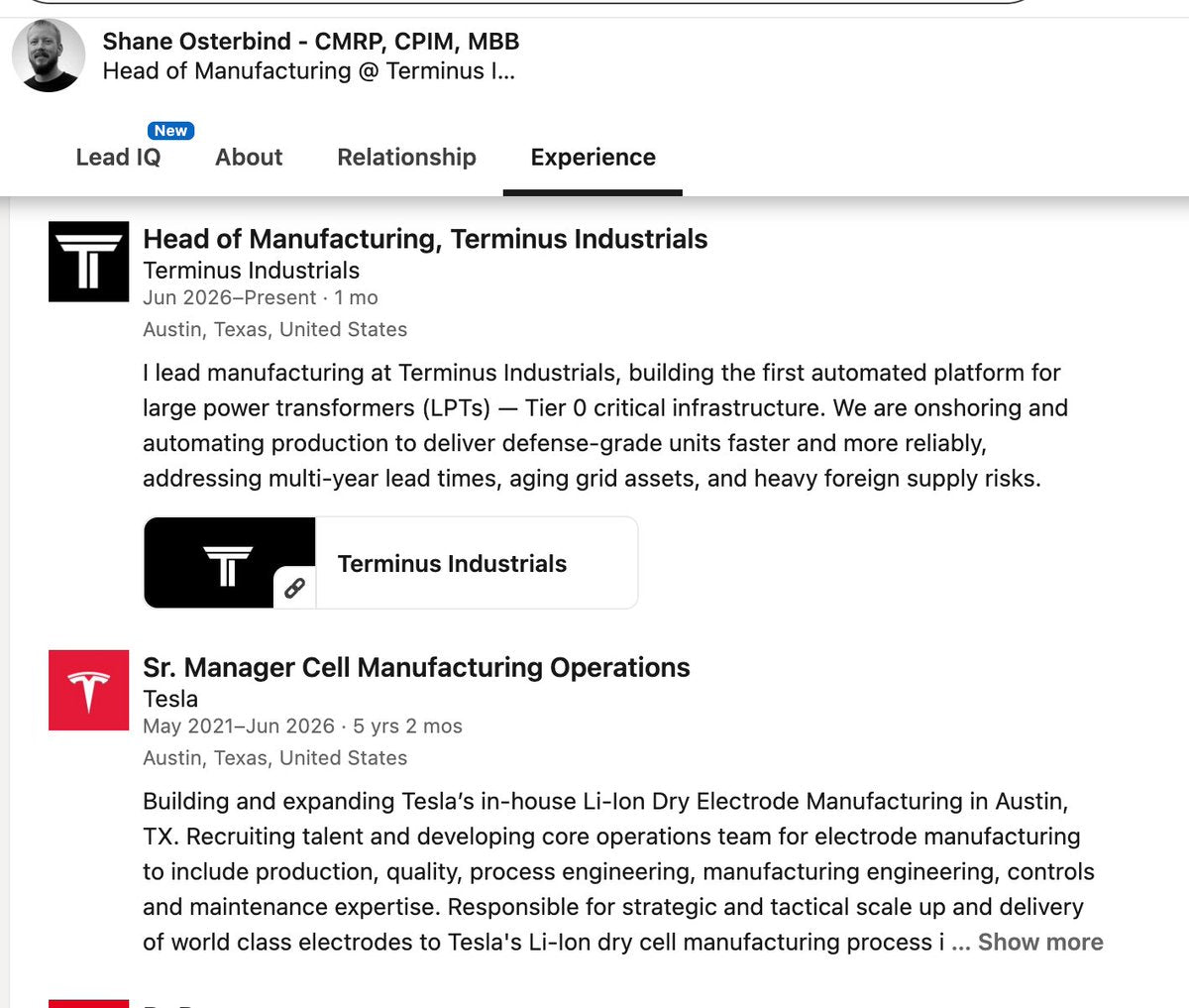
The manager responsible for Tesla's in-house lithium-ion dry electrode manufacturing program at Gigafactory Texas has left the company to pursue a new venture, according to a report from Fred Lambert. The departure touches one of the most technically demanding — and strategically significant — programs in Tesla's battery roadmap.

Dry electrode manufacturing is not a peripheral project. Tesla confirmed in its Q4/FY 2025 investor update that it had achieved production of both anode and cathode for its 4680 battery cells using a fully dry-electrode process — a first for any automaker at scale. The technology, originally acquired through Tesla's 2019 purchase of Maxwell Technologies, took roughly eight years to develop from concept to dual-electrode production. Elon Musk publicly called out the difficulty of scaling the dry cathode process specifically when acknowledging the milestone in early February 2026.
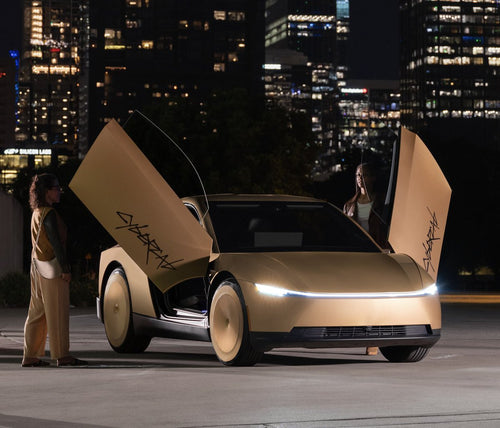
The stakes are real: the dry electrode process is expected to cut electrode production costs by nearly 50% and reduce factory energy consumption and equipment investment by over 40%, according to previous reports. As of May 2026, 4680 cells with fully dry electrodes were already being installed in select Model Y vehicles built at Giga Texas, with plans to extend the technology to the Cybertruck, Cybercab, and Semi between 2026 and 2027.
The departing manager is reportedly moving on to build transformers — a field that shares some overlap with advanced materials and energy infrastructure, though it represents a distinct pivot from EV battery production. No official statement from Tesla has been issued, and the company rarely comments on individual personnel changes at this level.
Whether this departure creates meaningful disruption depends on how deep Tesla's bench runs in this specific discipline. The dry electrode program has already cleared its hardest technical hurdles and entered production, which reduces — but doesn't eliminate — the risk of losing specialized institutional knowledge mid-ramp. The coming months of 4680 production data will be the real signal to watch.
Related Gear
Gear up your Tesla with tested, custom-fit BASENOR accessories — shop Tesla accessories →
Sources & reporting notes
The links below identify the material source records used for this report.
- @FredLambert on X (2026-06-17T16:01:23.000Z) — Direct source
Source links are preserved as published or accessed. See our editorial standards and corrections policy.
The BASENOR Editorial Desk covers Tesla, SpaceX, and related technology, curating reporting from primary sources — official accounts, regulatory filings, and software release data. Every article passes source-record and fact-checking review before publication. About the newsroom.
This report was curated by the BASENOR Editorial Desk from the sources listed above. Read our editorial standards or email editorial@basenor.com to report an error.