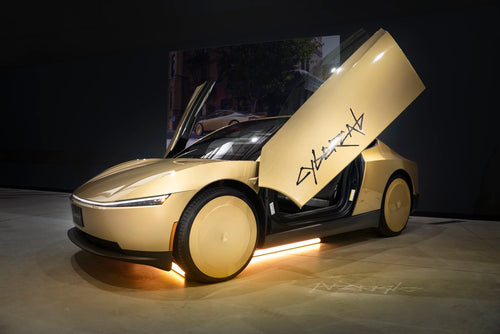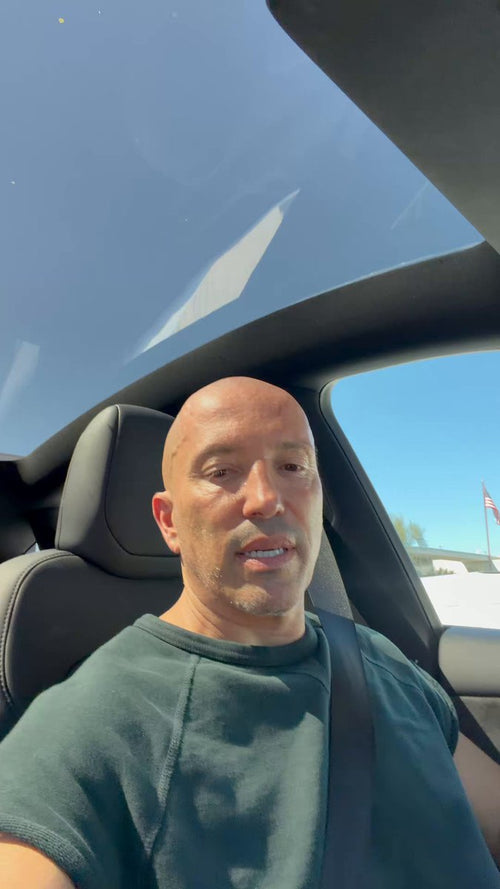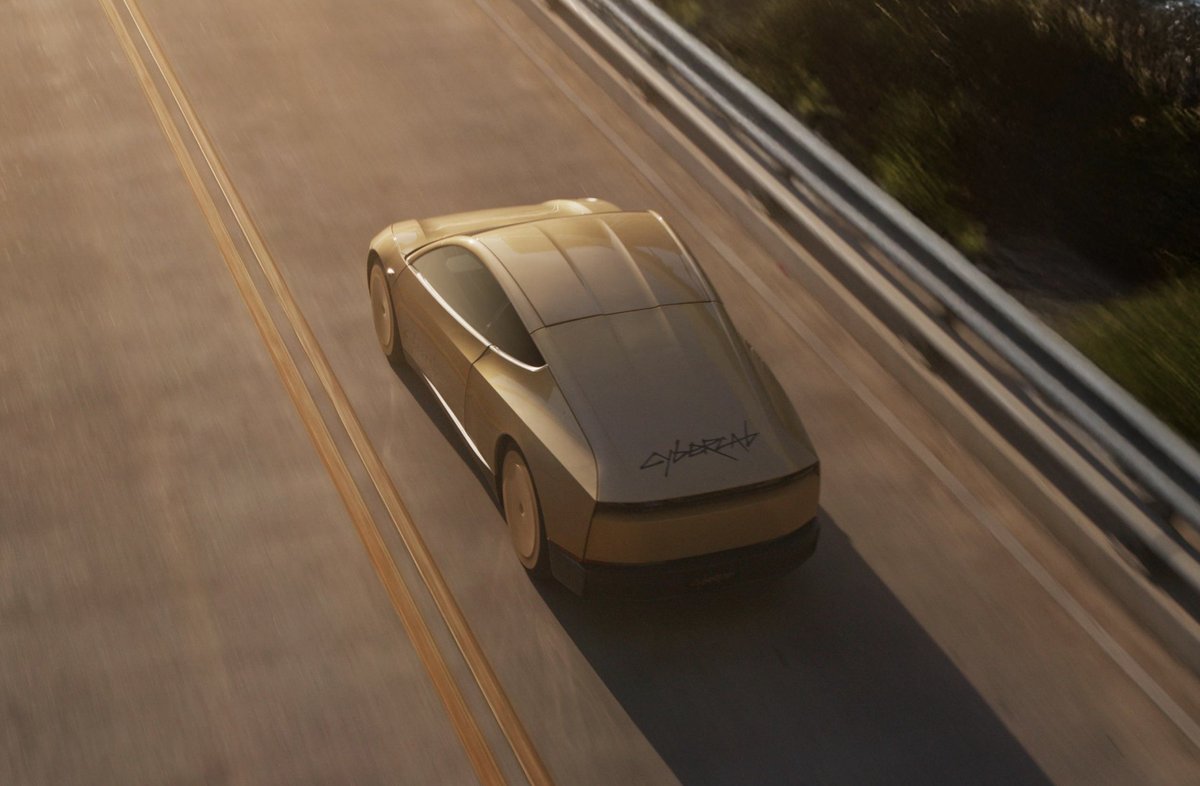
Tesla's next-generation vehicle platform is shaping up to be far more than a single-product effort. Comments surfacing this week confirm that Cybercab is only the first vehicle on the platform — with the Robovan and additional products already in the pipeline. Here's what we know about the architecture, the vehicles it will carry, and what it means for the broader Tesla ecosystem.

1. Cybercab Is the Platform's Proof of Concept — Not Its Ceiling
Cybercab is the first vehicle to roll off Tesla's next-gen platform, and according to commentary flagged by @wholemars, Tesla views it explicitly as an inflection point for scaling the autonomous fleet. That framing matters: Cybercab isn't the destination, it's the validation run. Full production at Gigafactory Texas began in Q2 2026, and Tesla has indicated robotaxi service could launch before the end of August 2026. Every unit deployed is data for what comes next.
2. The Robovan Is a Confirmed Next-Gen Platform Vehicle
Unveiled at Tesla's "We, Robot" event on October 10, 2024, the Robovan is designed to carry up to 20 passengers — or be reconfigured entirely for cargo. It shares the same next-gen platform as Cybercab, meaning the same 48-volt architecture, large single-unit castings, Unboxed Process manufacturing, and 4680 structural battery pack. No steering wheel, no pedals. It is built from the ground up for full autonomy. No production timeline has been officially announced, but its platform-sharing status means it benefits directly from every engineering advance made on Cybercab.
3. The Next-Gen Platform Is an Engineering Departure From Existing Teslas
This isn't a refresh of the Model 3 or Model Y architecture. The next-gen platform introduces a fundamentally different manufacturing approach: large single-unit castings replace multi-part assemblies, the Unboxed Process assembles the vehicle in parallel modules rather than sequentially down a line, and a 48-volt low-voltage architecture replaces the legacy 12-volt system. According to background research, vehicles on this platform are slated for production at Gigafactory Texas, Gigafactory Berlin-Brandenburg, and the proposed Gigafactory Mexico — giving Tesla the global manufacturing footprint to scale it aggressively.
4. FSD Is the Software Layer That Makes the Platform Viable
Hardware alone doesn't make a robotaxi fleet. The next-gen platform is designed around Tesla's Full Self-Driving software — camera-only, AI-driven, and as of early 2026, operating without safety monitors for robotaxi trips according to Elon Musk's January 2026 statement. The current production fleet runs FSD v14.3.7 on Hardware 4. FSD v15, currently in testing on robotaxi vehicles, is projected for broader customer availability in late 2026 into 2027. Every new vehicle on the next-gen platform inherits this software stack — meaning the Robovan and any future products launch with a more mature autonomous system than Cybercab did.
5. "Other Products" Signals a Broader Autonomous Lineup
The most significant detail in @wholemars's observation isn't the Robovan — it's the phrase "other products." Tesla has not publicly enumerated every vehicle planned for the next-gen platform, but the implication is clear: this architecture is designed to be a multi-vehicle foundation, not a bespoke solution for one robotaxi. Whether those products are additional passenger configurations, specialized cargo vehicles, or something else entirely, the next-gen platform + FSD combination gives Tesla a repeatable template for deploying autonomous vehicles at scale across different use cases.
The Cybercab launch will be the first real-world test of whether that template holds up under commercial operating conditions. How quickly Tesla can iterate from Cybercab to Robovan to whatever comes next will define whether the next-gen platform becomes the backbone of an autonomous fleet — or just a compelling engineering story.
🚕 Following the Robotaxi rollout? See every operating city, launch date and announced market in our Tesla Robotaxi Tracker.
Related Gear
Gear up your Tesla with tested, custom-fit BASENOR accessories — shop Tesla accessories →
Sources & reporting notes
The links below identify the material source records used for this report.
- @wholemars on X (2026-08-20T05:04:37.000Z) — Direct source
Source links are preserved as published or accessed. See our editorial standards and corrections policy.
The BASENOR Editorial Desk covers Tesla, SpaceX, and related technology, curating reporting from primary sources — official accounts, regulatory filings, and software release data. Every article passes source-record and fact-checking review before publication. About the newsroom.
This report was curated by the BASENOR Editorial Desk from the sources listed above. Read our editorial standards or email editorial@basenor.com to report an error.