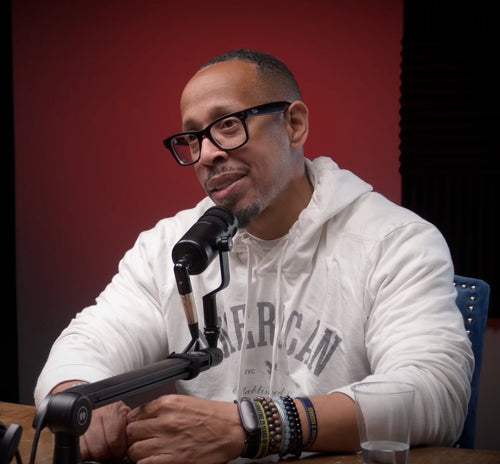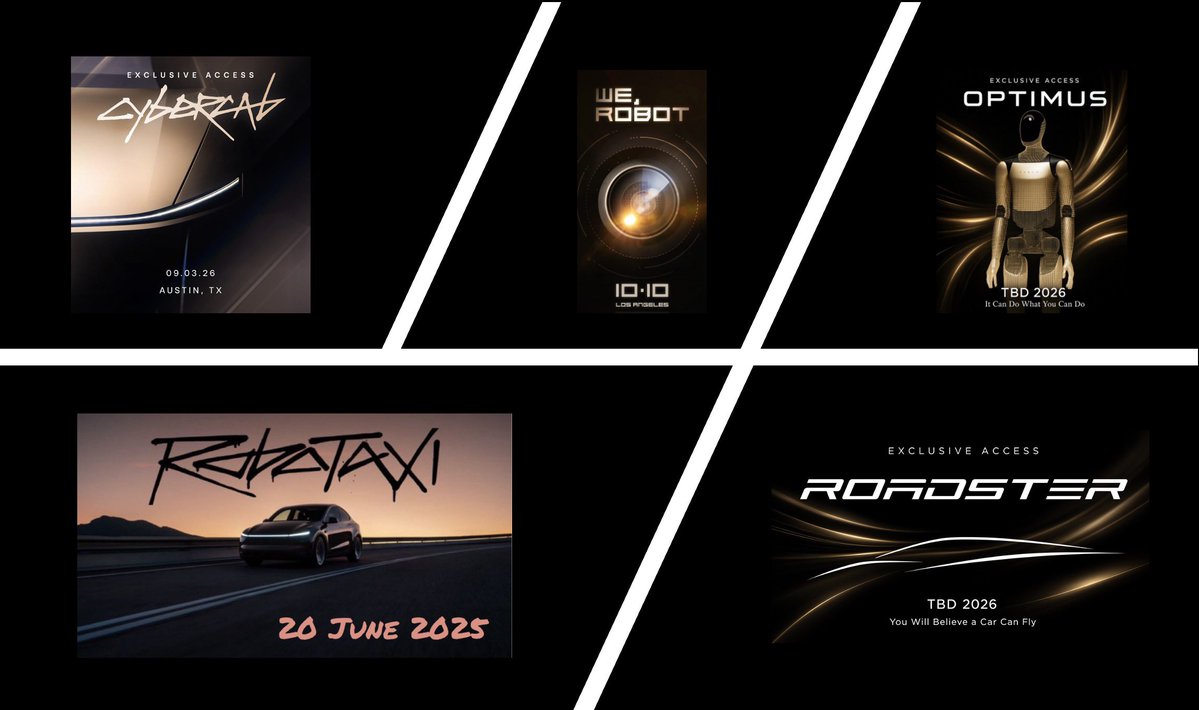
Tesla's transformation from an electric vehicle manufacturer into a physical AI company is no longer a talking point — it's a documented arc with dates, product launches, and a September 2026 event on the calendar. A recap post from Tesla observer Joe Tegtmeyer this morning laid out the timeline in a single thread: the 2024 We, Robot event, the 2025 Robotaxi service launch, the Cybercab Launch Event scheduled for September 3, 2026, and the anticipated next chapter for Optimus.
For owners and investors trying to make sense of where Tesla is heading, that sequence matters. It shows a company that has already committed publicly to reshaping itself around autonomy, robotics, and AI infrastructure — and is now approaching the point where those bets need to produce shipping products.

The We, Robot Moment Was the Formal Pivot
The October 2024 We, Robot event at Warner Bros. Studios is the point most observers, including Tegtmeyer, treat as the formal announcement of Tesla's physical AI pivot. It was the event where the company introduced the Cybercab as a dedicated purpose-built autonomous vehicle with no steering wheel or pedals, showed off the Robovan concept, and put dozens of Optimus units in front of the public.
Before that night, Tesla's AI story was largely framed as a driver-assistance narrative bolted onto its car business. After it, the framing shifted: the vehicles, the humanoid robot, and the underlying autonomy stack were presented as one integrated bet on machines that perceive and act in the real world. That's the definition of physical AI — and it's the framing every subsequent product milestone has reinforced.
Robotaxi in 2025, Cybercab in September 2026
The next inflection point came in 2025, when Tesla launched its Robotaxi service — the first commercial deployment of its autonomy stack in a rider-facing product rather than an owner-assist feature. That launch mattered because it took FSD out of the beta-and-supervision framing and started building operational data around paid, driverless rides.
According to Tegtmeyer's recap, the next scheduled milestone on Tesla's public calendar is the Cybercab Launch Event on September 3, 2026 — less than two weeks away as of this post. The Cybercab has been positioned since We, Robot as the purpose-built hardware for that ride-hailing network: a two-seat, low-cost vehicle designed from the start around the assumption that no human will be driving it. A dedicated launch event suggests Tesla is ready to move that platform from concept-car reveal into a customer-facing product story.
Where Optimus Fits In
The final piece Tegtmeyer flags is Optimus. His post references "anticipated upcoming Optimus" developments without specifying what those are — a reasonable framing given that Tesla has been signaling a next-generation version of the humanoid robot for some time without committing to a public date.
What's clear from the arc is that Optimus is not a side project in the physical AI narrative. It's the second major hardware platform — after the Cybercab — that shares the same perception, planning, and neural network foundations Tesla built for its vehicles. Every improvement on the automotive side theoretically compounds into the robotics side, which is the entire strategic argument for treating Tesla as an AI company rather than a car company.
Key Milestones on the Physical AI Timeline
| Event | Date | Significance |
|---|---|---|
| We, Robot event | October 2024 | Formal pivot announcement; Cybercab and Robovan reveal; Optimus public demo |
| Robotaxi service launch | 2025 | First commercial rider-facing deployment of Tesla's autonomy stack |
| Cybercab Launch Event | September 3, 2026 | Purpose-built autonomous vehicle transitions from concept to product |
| Next-gen Optimus | Anticipated | Second major physical AI platform; shares Tesla's autonomy foundations |
What It Means for Tesla Owners
For current owners, the physical AI framing has one immediate implication: the software running on your car is no longer being developed just to make your commute better. It's being developed as the training substrate for a much larger set of products — a Robotaxi fleet, a humanoid robot, and eventually the operating system for an autonomous mobility network.
That's not a bad deal for owners. It means the FSD improvements shipping to consumer vehicles today are directly funded and prioritized by the same investment that Tesla is making in its next-generation platforms. But it also means the roadmap conversations are shifting. The questions that used to matter most — when does my car get the next OTA, what's in it — are being joined by bigger ones: when does the Cybercab actually ship, what does Robotaxi expansion look like in more cities, and how does Optimus factor into Tesla's revenue mix over the next few years.
What to Watch Next
The September 3 Cybercab Launch Event is the immediate signal. What Tesla shows there — production timeline, pricing, initial deployment markets, ordering process — will confirm how far the physical AI strategy has moved from vision to execution. A concrete production date and rollout plan would validate the arc Tegtmeyer sketched. A softer, feature-focused reveal without commitments would suggest the transition is still in its concept phase.
Beyond September, watch for two things: how quickly Robotaxi service expands into new metros, and whether Tesla puts a firm date on the next Optimus reveal. Those are the two data points that will determine whether the physical AI pivot is producing shipping products on the timeline the company implied at We, Robot, or whether the strategy is running ahead of the engineering.
🚕 Following the Robotaxi rollout? See every operating city, launch date and announced market in our Tesla Robotaxi Tracker.
🤖 Tracking Tesla's humanoid robot? See every Optimus production milestone and appearance in our Tesla Optimus Tracker.
Related Gear
Gear up your Tesla with tested, custom-fit BASENOR accessories — shop Tesla accessories →
Sources & reporting notes
The links below identify the material source records used for this report.
- @JoeTegtmeyer on X (2026-08-22T14:30:17.000Z) — Direct source
Source links are preserved as published or accessed. See our editorial standards and corrections policy.
The BASENOR Editorial Desk covers Tesla, SpaceX, and related technology, curating reporting from primary sources — official accounts, regulatory filings, and software release data. Every article passes source-record and fact-checking review before publication. About the newsroom.
This report was curated by the BASENOR Editorial Desk from the sources listed above. Read our editorial standards or email editorial@basenor.com to report an error.