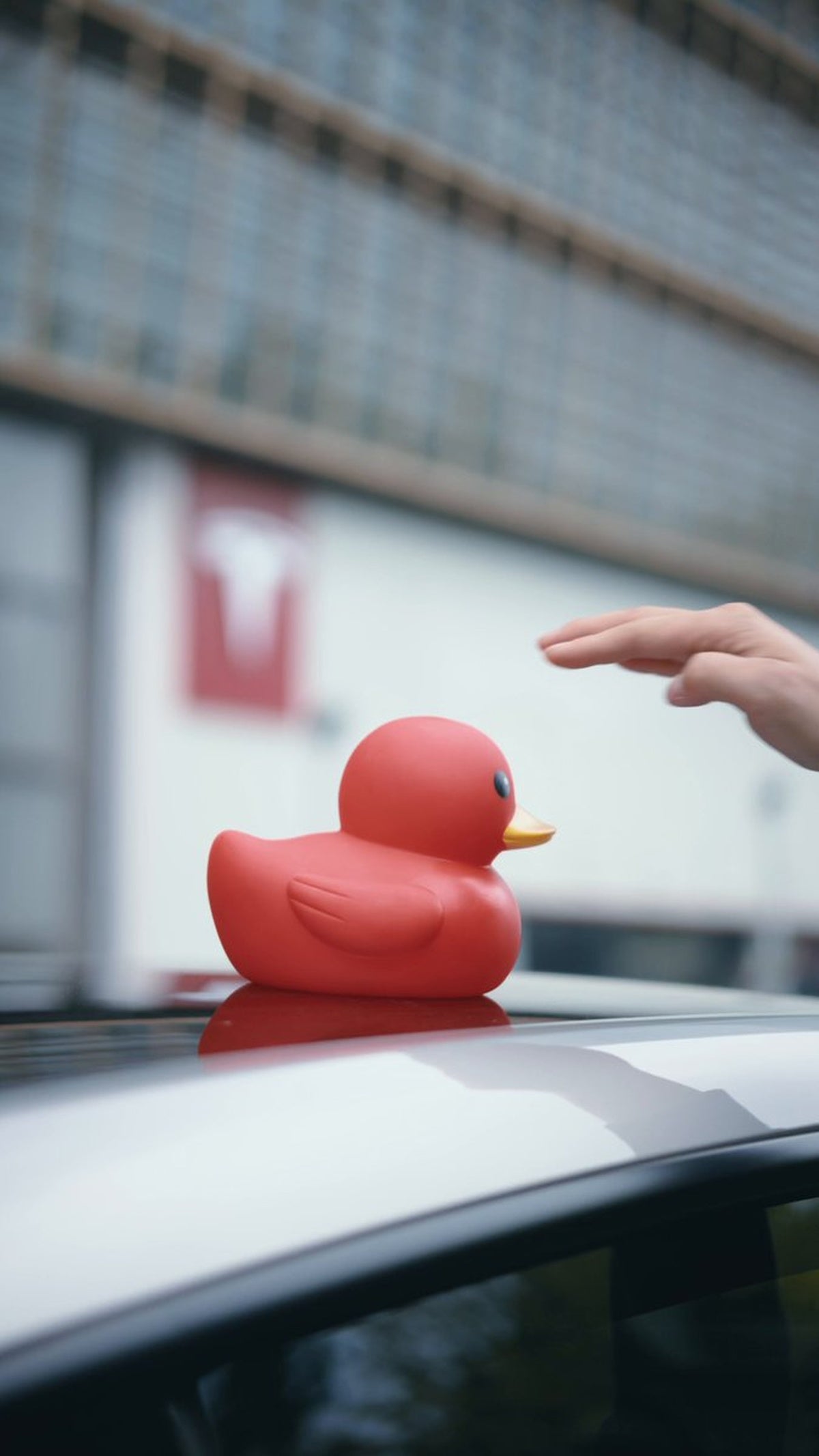
Tesla has shared a video demonstrating a built-in safety behavior that many owners may not know exists: when a powered seat or the trunk detects an obstruction while folding, it automatically reverses and pops back up. The feature is designed to prevent injuries or damage before they happen — a passive safeguard that requires no driver input.

The timing of Tesla's demonstration is notable. It comes shortly after Hyundai issued a recall on the Palisade over powered folding seat injuries — a reminder that motorized cabin components carry real safety risks when obstruction detection is absent or inadequate. Tesla appears to be proactively highlighting that its vehicles already handle this scenario.
It's unclear whether this behavior was introduced via a recent software update or has been present in Tesla vehicles for some time. What is clear is that the feature works across both the powered seating system and the motorized trunk, two areas where pinch-point injuries are most likely. Owners with pets, children, or cargo near these components can take some reassurance from knowing the system is watching for resistance.
Related Gear
Gear up your Tesla with tested, custom-fit BASENOR accessories — shop Tesla accessories →
Sources & reporting notes
The links below identify the material source records used for this report.
- @TeslaNewswire on X (2026-05-18T04:41:29.000Z) — Direct source
Source links are preserved as published or accessed. See our editorial standards and corrections policy.
The BASENOR Editorial Desk covers Tesla, SpaceX, and related technology, curating reporting from primary sources — official accounts, regulatory filings, and software release data. Every article passes source-record and fact-checking review before publication. About the newsroom.
This report was curated by the BASENOR Editorial Desk from the sources listed above. Read our editorial standards or email editorial@basenor.com to report an error.