📌 UPDATE — June 17, 2026
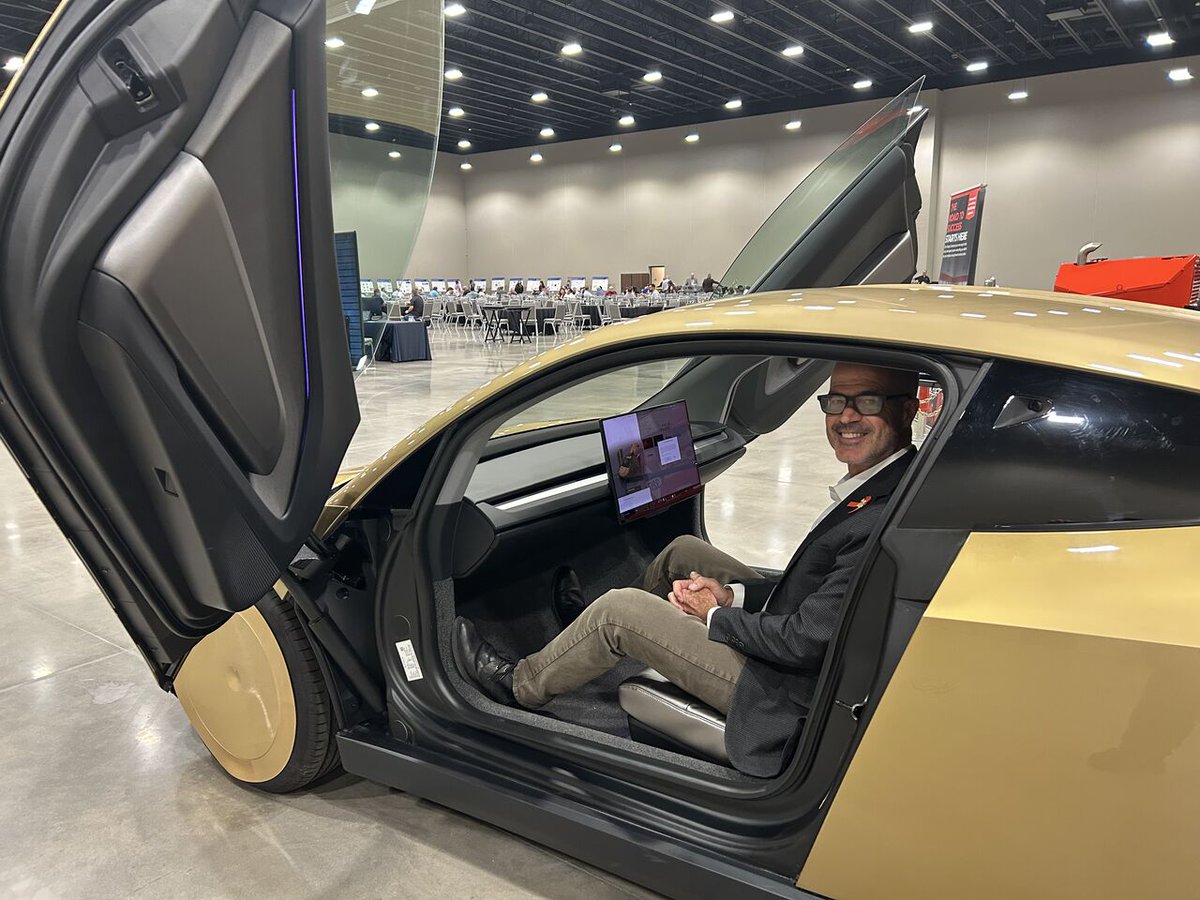
Texas DoT Executive Director Marc Williams has now personally experienced a production-version Cybercab at the 2026 Texas Innovation Invitational, adding further official weight to the vehicle's no-controls design. Separately, Tesla has already begun operating Robotaxis using Model Y vehicles in Full Self-Driving mode across Austin, Dallas, and Houston — marking a significant real-world expansion of its autonomous ride-hailing service well ahead of the Cybercab's broader rollout. The dual-track approach — deploying FSD-equipped Model Ys now while the purpose-built Cybercab scales up — signals Tesla is moving aggressively to establish market presence in Texas's major metros.

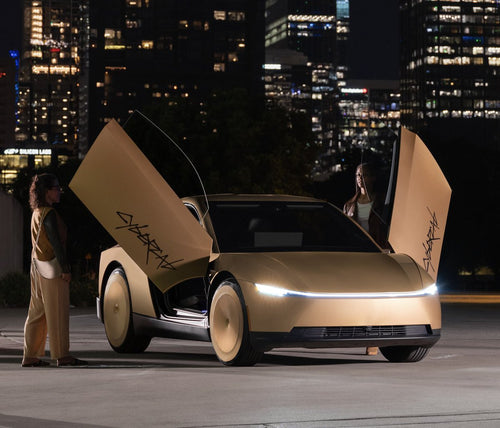
The production version of Tesla's Cybercab has no steering wheel, no accelerator, and no brake pedal — and now a state transportation official has said so firsthand. The Executive Director of the Texas Department of Transportation recently sat inside the vehicle and came away with a statement that cuts straight to what Tesla has been building toward: a car designed from the ground up to operate without a human driver.

"The complete absence of traditional driver controls underscores a significant shift in mobility and vehicle design," the Executive Director said after the ride. That quote, coming from a regulator rather than a Tesla spokesperson, carries a different kind of weight. It's not marketing language — it's an official observation from someone whose job is to oversee how vehicles operate on Texas roads.
How We Got Here
Tesla began production of the Cybercab at Gigafactory Texas in February 2026, with volume ramp targeted for April. The EPA issued a Certificate of Conformity for the 2026 Cybercab on May 26, 2026 — a document that formally recognizes the vehicle as a production-ready unit, not a prototype. Drone footage from Giga Texas confirmed earlier this year that units rolling off the line have no steering wheels installed.
The Texas DoT connection isn't new. Back in March 2025, Tesla brought Cybercab models to Austin specifically to brief "critical operational stakeholders" from the department, laying the groundwork for what's now becoming a regulatory reality. Texas has since updated its laws to allow companies to self-certify autonomous driving systems at SAE Level 4 or higher for commercial driverless operations — and Tesla has done exactly that, enabling it to legally offer paid robotaxi rides across the state.
What the Specs Tell Us
According to EPA certification filings, the production Cybercab is a two-seat front-wheel-drive EV powered by a 163 kW (219 HP) AC permanent magnet motor. Its lithium-ion battery pack runs at 326V with 146 Ah of capacity — approximately 47.6 kWh. Curb weight comes in at 3,113 lbs. Unadjusted EPA test results show a combined range of 418.2 miles, though real-world figures are expected to land closer to 280–300 miles. Efficiency is rated at 165 Wh/mi, which would make it among the most efficient EVs ever certified.
None of those specs include a provision for a steering column, brake pedal, or accelerator. That's not an omission in the paperwork — it's the design intent, now confirmed by a government official who sat in one.
Why a State Official's Word Matters
Tesla has been saying for years that the Cybercab would ship without driver controls. Elon Musk stated as much in October 2025. But statements from a company about its own product carry an inherent credibility gap. When the head of a state transportation department — someone responsible for road safety policy — steps out of the vehicle and confirms the same thing, it signals that regulators are not only aware of the design but have physically experienced it.
For the broader autonomous vehicle industry, this kind of official validation is significant. It suggests that Texas, at minimum, is comfortable enough with the Cybercab's design to engage with it at the executive level rather than push back on the absence of manual override controls.
What remains to be seen is how quickly paid robotaxi service scales beyond early access, and whether other states follow Texas's self-certification framework. The hardware question — no steering wheel, no pedals — is now settled. The policy and deployment questions are just getting started.
🚕 Following the Robotaxi rollout? See every operating city, launch date and announced market in our Tesla Robotaxi Tracker.
Related Gear
Gear up your Tesla with tested, custom-fit BASENOR accessories — shop Tesla accessories →
Sources & reporting notes
The links below identify the material source records used for this report.
- @SawyerMerritt on X (2026-06-17T02:45:00.000Z) — Direct source
- @TeslaNewswire on X (2026-06-17T04:32:06.000Z) — Direct source
Source links are preserved as published or accessed. See our editorial standards and corrections policy.
The BASENOR Editorial Desk covers Tesla, SpaceX, and related technology, curating reporting from primary sources — official accounts, regulatory filings, and software release data. Every article passes source-record and fact-checking review before publication. About the newsroom.
This report was curated by the BASENOR Editorial Desk from the sources listed above. Read our editorial standards or email editorial@basenor.com to report an error.