📌 UPDATE — September 14, 2026
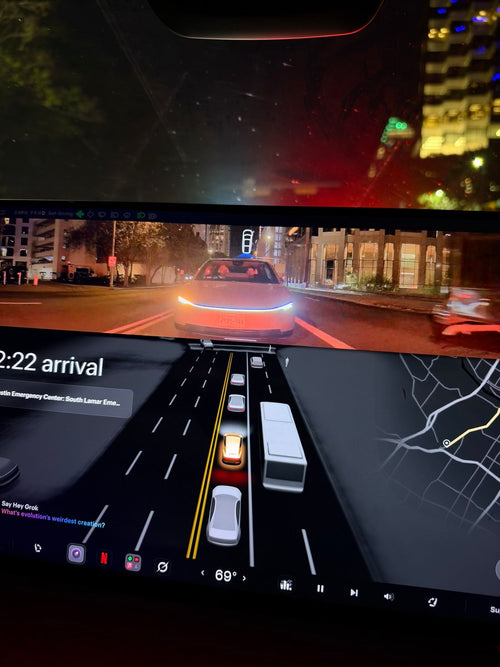
The initial launch-week surge for Cybercab in Austin has begun to ease, but fleet density remains the key bottleneck. According to @wholemars, wait times are improving post-launch rush, yet Tesla still needs to deploy significantly more vehicles to consistently hit the target 5–10 minute wait window that would make the service feel truly on-demand. This confirms the service is firmly in a ramp-up phase — functional and improving, but not yet at the fleet scale required for reliable short waits across the coverage area. Expect wait times to tighten as Tesla accelerates Cybercab production and deployment in the coming weeks and months.
"Not too bad now that the launch week rush has subsided, but still needs more cars to consistently hit 5–10 minute wait times for Cybercab" — @wholemars, Sep 14 2026
Tesla's Cybercab robotaxi service is barely days old, and the operational policy questions are already piling up. With paid public rides launching in Austin in September 2026 following an invite-only kickoff on September 3, the service is facing its first real stress test: what happens when demand outpaces supply, and how should the app behave when a rider doesn't show up?

The Wait Time Question
Prominent Tesla observer Whole Mars Catalog flagged what appears to be a temporary policy adjustment: Cybercab wait times are running longer than the 7-minute target that had been discussed as the benchmark for a smooth robotaxi experience. The framing is charitable — with demand high and fleet supply still constrained in Austin's initial geo-fenced zone, some slack in the system is expected. But the acknowledgment that this is a temporary concession matters. It signals that 7 minutes is the internal north star, and anything beyond that is a gap to close, not a feature.
For context, the Cybercab service is currently operating within a designated geographic area in Austin, available to an invite-only group of riders. That controlled rollout is deliberate — Tesla is gathering real-world operational data before expanding access. But even in a constrained environment, the ratio of vehicles to active riders will fluctuate, and wait time policy is one of the levers Tesla can pull to manage the experience on both sides of the transaction.
The No-Show Problem — and a Smarter Fix
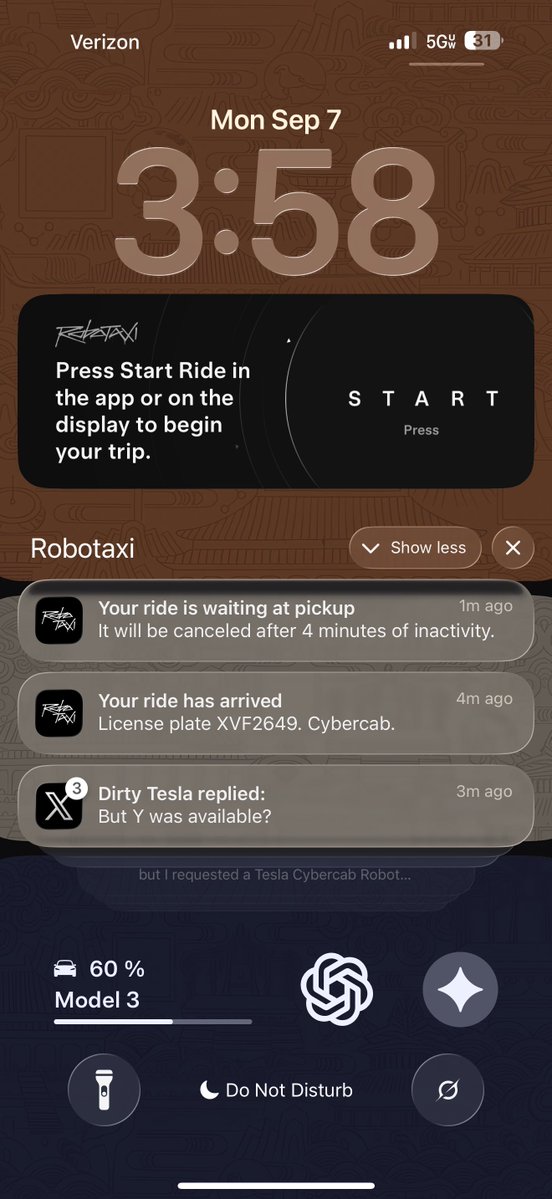
The more interesting UX idea in the discussion is around what happens when a rider requests a Cybercab and then doesn't appear. The suggestion: automatically cancel after 3 minutes of waiting, but give the rider a prompt — an "I'm coming" button — to extend the hold and prevent the cancellation.
This is a well-worn pattern in consumer apps (think food delivery countdowns), but it maps particularly well to the robotaxi context. A Cybercab sitting idle at a pickup point isn't just a bad look — it's a direct hit on utilization efficiency. Every minute a vehicle waits for a no-show is a minute it isn't completing another ride. At scale, that dead time compounds quickly across the fleet.
The "I'm coming" mechanic solves the problem without punishing riders who are genuinely 90 seconds away. It puts the burden of communication on the person who needs the extension, rather than defaulting to an indefinite wait. It also creates a natural data trail: how often do riders use the extension? How often does an "I'm coming" tap actually result in a completed ride? That behavioral data would be valuable for refining the policy further.
Why This Moment Matters for the Broader Rollout
Tesla's robotaxi ambitions extend well beyond Austin. The Cybercab is designed to be the core of a future autonomous ride-hailing network, and the operational playbook being written right now — wait time tolerances, cancellation logic, rider communication flows — will either scale gracefully or create friction that compounds as the fleet grows.
Getting these details right in the invite-only phase is exactly the right time to iterate. The riders currently using the service in Austin are, by definition, early adopters who are more forgiving of rough edges and more likely to provide useful feedback. If Tesla can lock in solid UX defaults before opening access more broadly, the transition to a larger user base will be significantly smoother.
The 7-minute wait time target and the "I'm coming" cancellation idea are small details in isolation. But robotaxi adoption — like any transportation service — lives and dies on reliability and predictability. Riders don't need perfection on day one. They need confidence that the system is being tuned in the right direction. The fact that this conversation is happening publicly, and this early, suggests Tesla's community of close observers is already holding the service to a high standard. That's a healthy sign.
🚕 Following the Robotaxi rollout? See every operating city, launch date and announced market in our Tesla Robotaxi Tracker.
Related Gear
Gear up your Tesla with tested, custom-fit BASENOR accessories — shop Tesla accessories →
Sources & reporting notes
The links below identify the material source records used for this report.
- @wholemars on X (2026-09-07T22:12:14.000Z) — Direct source
Source links are preserved as published or accessed. See our editorial standards and corrections policy.
The BASENOR Editorial Desk covers Tesla, SpaceX, and related technology, curating reporting from primary sources — official accounts, regulatory filings, and software release data. Every article passes source-record and fact-checking review before publication. About the newsroom.
This report was curated by the BASENOR Editorial Desk from the sources listed above. Read our editorial standards or email editorial@basenor.com to report an error.