30-Second Brief
The News: The official Cybertruck account highlighted three specific features that make the truck exceptionally comfortable on long-haul drives.
Why It Matters: Many owners haven't activated Comfort Mode inside FSD or know how the air suspension self-leveling actually works — these settings directly affect ride quality on road trips.
Source: @cybertruck on X
Cybertruck Long-Trip Comfort: The 3 Features That Actually Make a Difference
Road trips in a Cybertruck aren't just possible — according to the official Cybertruck account, they're genuinely comfortable. But comfort at highway speeds doesn't happen by accident. It comes down to three specific systems working together, and at least one of them requires you to actively enable it.

📊 The Three Comfort Systems, Explained
| Feature | What It Does | Action Required? |
|---|---|---|
| Minimal Body Roll | Structural rigidity keeps the cabin stable through corners and lane changes | None — always active |
| FSD Comfort Mode | Gentler acceleration and braking, softer damping, smoother handling when FSD is engaged | Yes — must be enabled manually |
| Air Suspension + Self-Leveling | Adaptive suspension keeps the truck flat even when carrying a load, preventing the nose-up stance common in loaded trucks | Automatic — but adjustable via the touchscreen |
🔍 Breaking Down Each Feature
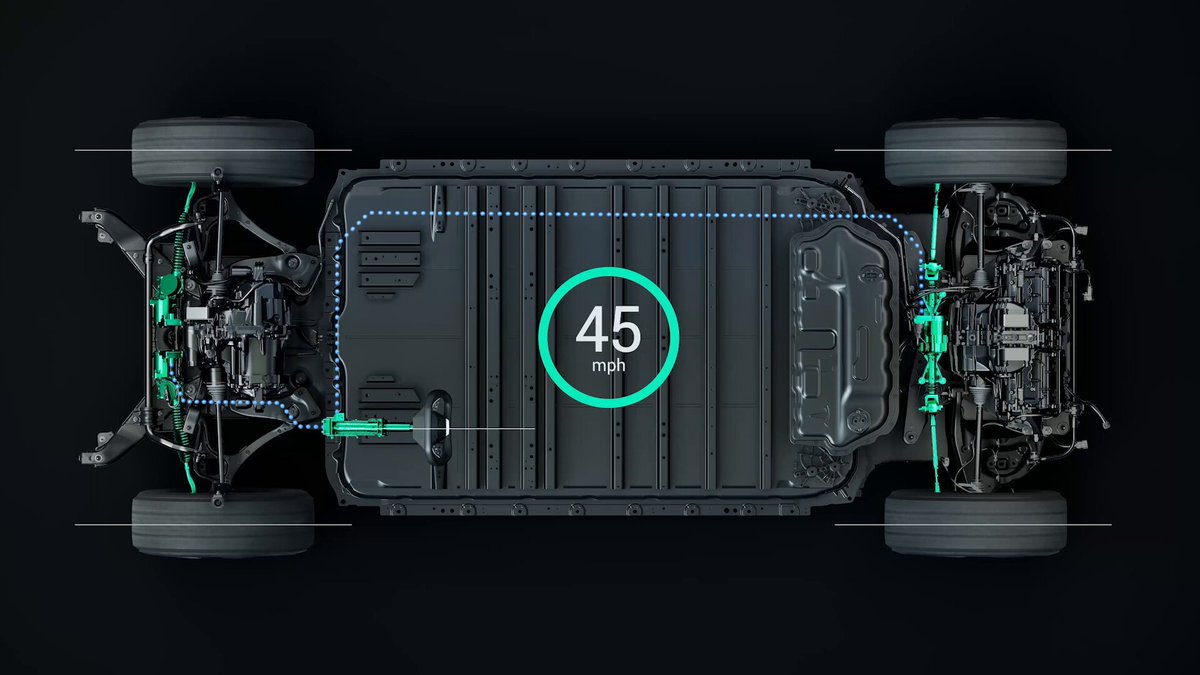
1. Minimal Body Roll
This is the most passive of the three — it's baked into the Cybertruck's architecture. The stainless steel exoskeleton and low center of gravity (helped significantly by the underfloor battery pack) work together to keep lateral movement minimal through corners. On long highway drives, reduced body roll translates directly to less fatigue for both driver and passengers. You don't need to do anything to benefit from this — it's always working.
2. FSD Comfort Mode — The One You Need to Turn On
This is the feature most owners are underutilizing. When FSD is active, Comfort Mode shifts the driving profile toward smoother, gentler inputs: softer acceleration out of stops, more gradual braking, and reduced aggressiveness in lane-keeping and handling. The result is a noticeably more relaxed ride, especially on long interstate stretches where FSD is handling most of the driving.
The key distinction: this mode only applies when FSD is engaged. It's not a general vehicle comfort setting — it specifically changes how the FSD system drives the truck.
3. Adaptive Air Suspension with Self-Leveling
Loaded trucks typically squat at the rear, shifting the ride height and handling dynamics. The Cybertruck's air suspension actively compensates for this, keeping the truck level regardless of what's in the bed or how many passengers are aboard. For long trips — especially those involving camping gear, tools, or luggage — this means the suspension geometry stays optimized throughout the drive rather than degrading as load increases.
🚦 Owner's Action Plan
Verdict: Recommended — These features are already on your truck. The only step most owners are missing is activating Comfort Mode before a long drive.
- Before your next road trip, engage FSD on a highway-speed stretch where it's available in your area.
- Once FSD is active, open the FSD settings panel on the touchscreen and locate the driving profile or comfort setting.
- Select Comfort Mode — you should notice a change in how the system accelerates away from slower traffic and brakes for upcoming curves or vehicles.
- If you're carrying a load, check the air suspension height setting via Controls → Suspension on the touchscreen. The self-leveling is automatic, but you can verify the truck is sitting level and adjust ride height manually if needed for your specific load.
- On the highway, pay attention to lateral stability through lane changes — the minimal body roll is most noticeable at speed, and it's worth appreciating how different it feels from a conventional truck of similar size.
💡 Pro Tip
Comfort Mode is ideal for long highway drives but may feel too passive in stop-and-go city traffic. Consider switching back to a more responsive profile when you exit the highway — FSD's behavior will feel more natural in dense traffic situations.
📰 Deep Dive
The fact that the official Cybertruck account is actively highlighting these comfort features is worth noting. Cybertruck has faced its share of scrutiny around ride quality — early reviews flagged the stiff suspension tuning as a trade-off for the truck's performance and towing capabilities. Pointing directly to Comfort Mode within FSD and the self-leveling air suspension suggests Tesla is aware that many owners haven't fully explored these settings, and wants to reframe the conversation around what the truck can do when configured correctly.
The FSD Comfort Mode angle is particularly interesting because it ties comfort directly to the autonomous driving stack. It's a reminder that FSD isn't just about hands-free driving — the profile you select changes the character of the vehicle in meaningful ways. Owners who have FSD but haven't experimented with the driving profiles are leaving real comfort improvements on the table, especially on long interstate drives where FSD handles the majority of inputs.
The self-leveling air suspension point also addresses one of the most common complaints about full-size trucks on road trips: the way a loaded bed changes everything about how the vehicle handles. For Cybertruck owners who use their truck as both a daily driver and a long-haul hauler, the adaptive suspension doing this work automatically — without requiring the driver to manually adjust for every load configuration — is a genuine quality-of-life advantage that doesn't get enough attention.
Related Gear
Gear up your Cybertruck with tested, custom-fit BASENOR accessories — shop Cybertruck accessories →
Sources & reporting notes
The links below identify the material source records used for this report.
- @cybertruck on X (2026-04-11T16:39:33.000Z) — Direct source
Source links are preserved as published or accessed. See our editorial standards and corrections policy.
The BASENOR Editorial Desk covers Tesla, SpaceX, and related technology, curating reporting from primary sources — official accounts, regulatory filings, and software release data. Every article passes source-record and fact-checking review before publication. About the newsroom.
This report was curated by the BASENOR Editorial Desk from the sources listed above. Read our editorial standards or email editorial@basenor.com to report an error.