📌 UPDATE — November 3, 2026
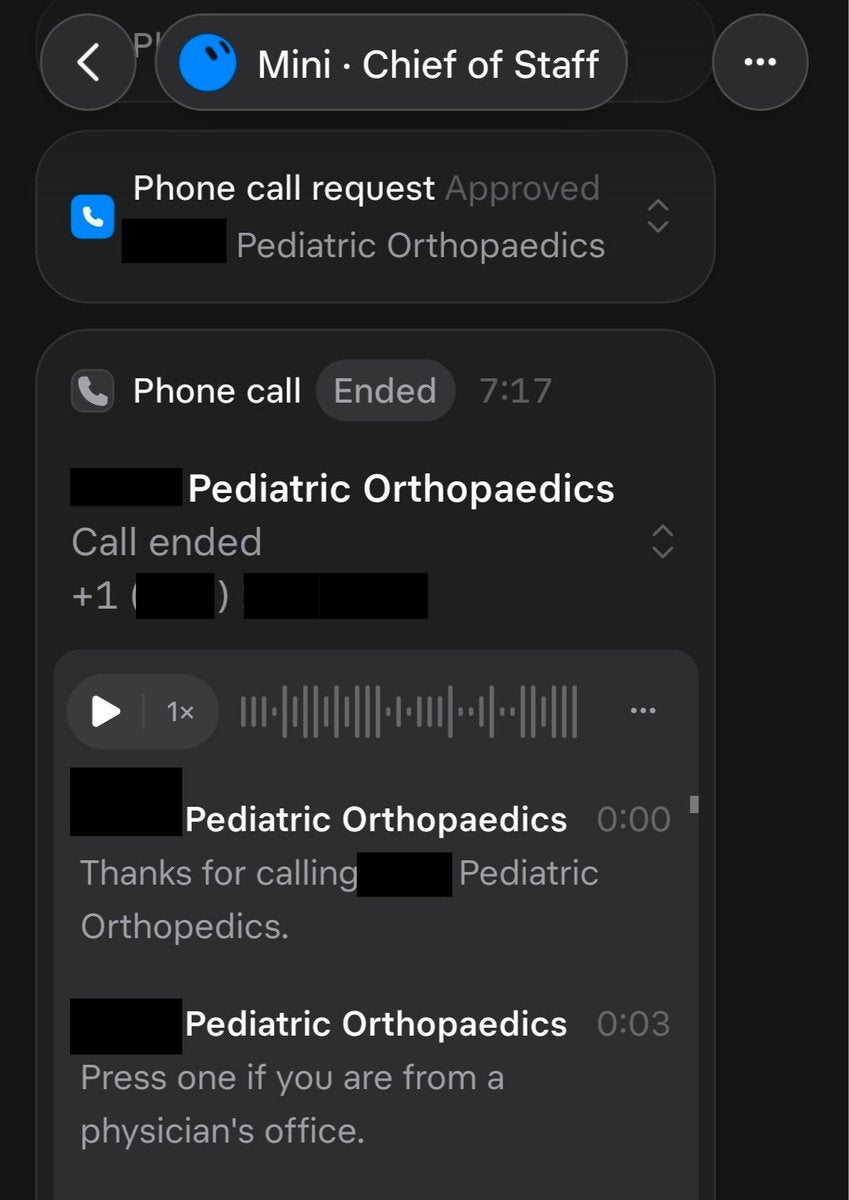
Grok Bot's calling feature has now been seen in action, and early hands-on impressions are strong. Users simply tell Grok who to call and why — the AI handles the entire conversation autonomously while displaying a live transcript on screen. If Grok hits a decision point mid-call where it needs clarification, a prompt box surfaces so the user can type or select a quick response without interrupting the flow. The feature effectively turns Grok into a real-time phone proxy, going beyond simple scheduling to managing the back-and-forth of an actual conversation.
Source: @SawyerMerritt · 33K views · Nov 3, 2026
Elon Musk posted twice within five minutes on November 3 to highlight two new Grok Bot capabilities: handling complex travel itineraries and researching, calling, and booking doctor appointments by phone. The announcements are brief, but the underlying functionality — built on Grok's agentic architecture — runs considerably deeper than the tweets suggest. Here's what's actually happening.

1. Grok Bot operates autonomously — it doesn't ask permission at every step
This is the detail most people will miss. According to background research, once Grok Bot decides on an action — sending a message, filling out a form, altering a record — it executes without pausing for user confirmation. That's a meaningful departure from AI assistants that surface every micro-decision back to you. It also means the stakes of the initial instruction are higher: you're delegating a task, not supervising one. For something like a doctor appointment, that's either a feature or a concern depending on how much you trust the output.
2. The doctor-booking capability works through real phone calls and existing systems
Musk's tweet says Grok Bot can "call them by phone" — and that's literal. The bot can place outbound calls to medical offices as part of the booking flow. It can also sign into practice-management systems, patient portals, and insurance portals using the user's own credentials, with no API integration required on the practice's end. Separately, through an integration with FutureClinic, Grok Bot can connect to virtual visits with licensed physicians across more than 300 doctors spanning 63 specialties — either via FutureClinic's MCP server or by navigating directly to futureclinic.com in its own browser session.
3. Travel planning is research and drafting, not end-to-end booking
The "complex trips" framing in Musk's first tweet is accurate but worth unpacking. Grok Bot functions as what the research describes as an "Itinerary Architect" — it can summarize destinations, compare neighborhoods, group nearby attractions, optimize schedules to minimize transit time, and draft detailed day-by-day plans based on your dates, pace, and interests. What it is not, at least currently, is a booking engine. Flights and hotels still require the user to complete purchases through official channels. Grok Bot handles the research and structure; you handle the checkout. A Tripsy integration does allow the bot to access and optimize travel data, but users retain control over organizing trips within that app.
4. The foundation is Grok 4.6, built specifically for long-running agentic tasks
These capabilities aren't bolted onto a chat model — they're running on Grok 4.6, released August 12, 2026, which was designed from the ground up for autonomous, long-running agentic work. Grok Bot itself launched in beta on August 11, 2026. The 500,000-token context window (noted in background research, though the figure was cut off in the source) is relevant here: managing a multi-leg itinerary or navigating a patient portal across multiple sessions requires holding a lot of state simultaneously. That's the infrastructure these features are built on.
5. Medical practices can also deploy Grok Bot on their end
The capability runs in both directions. Individual users can task Grok Bot with finding and booking a doctor. But medical practices can also configure the bot to handle their side of the administrative workflow — sending appointment reminders, offering same-day cancellation slots to waitlisted patients, following up on specialist referrals, and prompting patients due for annual visits. According to background research, this requires no API work from the practice; the bot signs into existing tools with provided credentials. Some users have already built personal health assistants on top of Grok Bot to interpret lab results, review medical bills, and prepare questions before appointments.
The two tweets Musk posted today are the public-facing summary of a system that has been quietly maturing since August. Whether the autonomous execution model earns broad user trust — particularly in healthcare contexts — will likely determine how fast adoption moves beyond early adopters. The architecture is clearly in place; the question now is whether people hand over the keys.
Sources & reporting notes
The links below identify the material source records used for this report.
- @elonmusk on X (2026-11-03T17:06:16.000Z) — Direct source
- @elonmusk on X (2026-11-03T17:11:25.000Z) — Direct source
Source links are preserved as published or accessed. See our editorial standards and corrections policy.
The BASENOR Editorial Desk covers Tesla, SpaceX, and related technology, curating reporting from primary sources — official accounts, regulatory filings, and software release data. Every article passes source-record and fact-checking review before publication. About the newsroom.
This report was curated by the BASENOR Editorial Desk from the sources listed above. Read our editorial standards or email editorial@basenor.com to report an error.