SpaceX's Crew-13 mission is back on track for an early October launch to the International Space Station, roughly three weeks later than originally planned. The slip — caused by an oxidizer leak discovered during routine prelaunch processing — turns out to be a relatively contained setback for NASA's Commercial Crew Program, with October 5 circulating as a specific target date pending final confirmation from NASA and SpaceX.

What Caused the Delay
The delay was announced on August 29 after engineers discovered an oxidizer leak in the propulsion system of the Crew Dragon spacecraft, named Grace, during standard prelaunch processing at Cape Canaveral Space Force Station. Oxidizer leaks in Dragon's propulsion system require careful inspection and remediation before NASA will certify the vehicle for crewed flight — a process that, in this case, added roughly three weeks to the schedule rather than the months-long delays that have plagued other Commercial Crew missions in the past.
The mission had been targeting no earlier than mid-September, with September 12 cited in some pre-delay planning documents. A final official launch date is expected once testing and data reviews are complete, according to NASA.
The Crew and the Mission
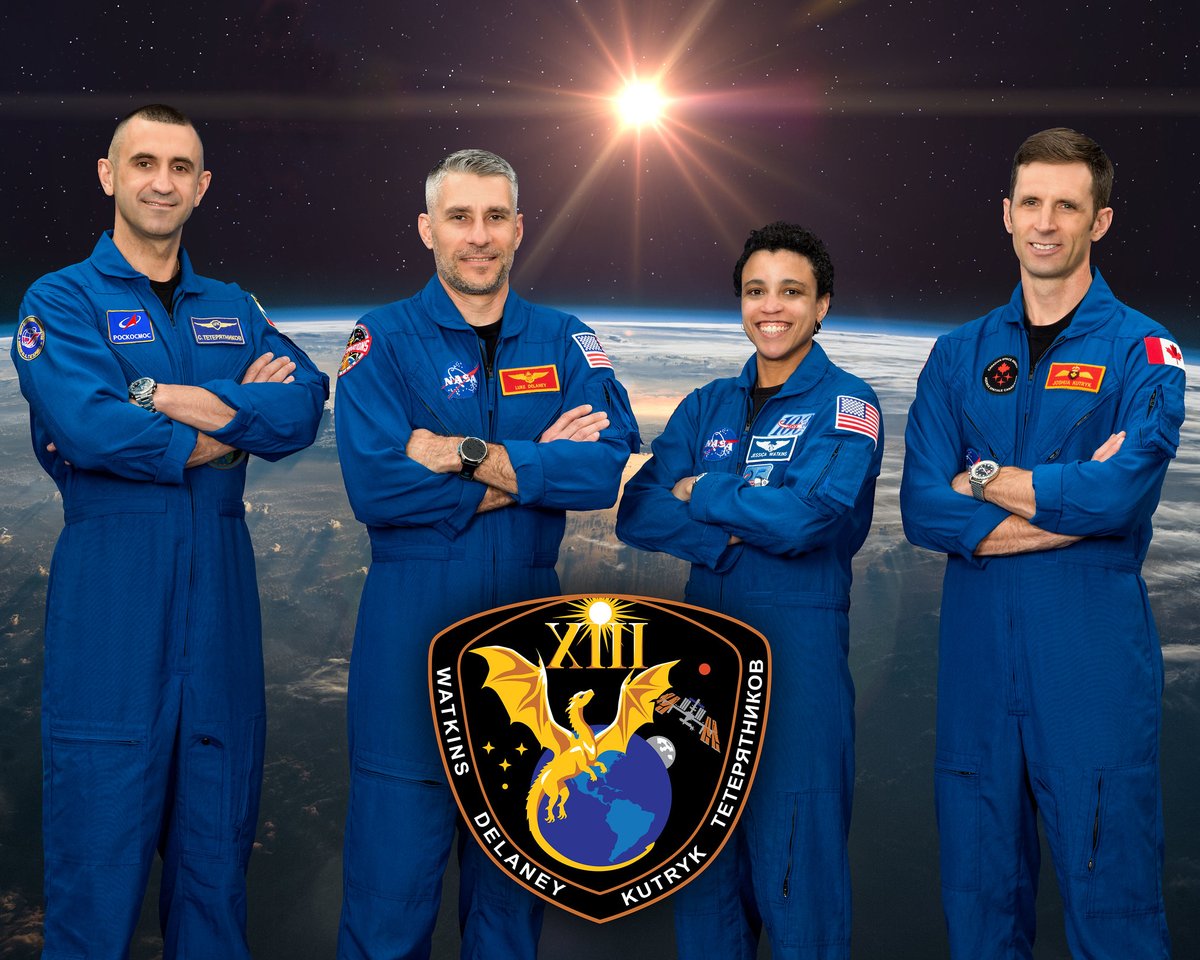
Crew-13 is the 13th crew rotation flight under NASA's Commercial Crew Program and the 14th time a SpaceX Dragon has carried astronauts to the ISS. The four-person crew aboard Grace represents an international partnership that has become a hallmark of the program:
| Crew Member | Agency | Role |
|---|---|---|
| Jessica Watkins | NASA | Spacecraft Commander |
| Luke Delaney | NASA | Spacecraft Pilot |
| Joshua Kutryk | Canadian Space Agency | Mission Specialist |
| Sergey Teteryatnikov | Roscosmos | Mission Specialist |
Once docked, the crew will join Expeditions 75 and 76 for a planned stay of approximately 180 days aboard the station — a standard long-duration rotation that keeps the ISS continuously crewed.
Context: A Minor Slip in a Mature Program
The Commercial Crew Program has matured considerably since its early years of multi-month delays and certification hurdles. A three-week slip for a propulsion system issue — while never trivial on a crewed mission — reflects how much SpaceX and NASA have refined their prelaunch processes. The fact that the leak was caught during routine processing, rather than closer to launch or in flight, is itself a sign the inspection regimen is working as intended.
The Falcon 9 rocket carrying Grace will lift off from Space Launch Complex 40 (SLC-40) at Cape Canaveral. SLC-40 has become SpaceX's workhorse pad for Dragon missions, and no issues with the launch vehicle itself have been reported as part of this delay.
NASA and SpaceX are expected to announce the official new launch date once all remaining spacecraft work and data reviews are signed off. For now, early October — with October 5 as the working target — is where the mission stands. Follow our SpaceX coverage for the confirmed date when it drops.
Sources & reporting notes
The links below identify the material source records used for this report.
- @LabPadre on X (2026-09-16T16:23:53.000Z) — Direct source
Source links are preserved as published or accessed. See our editorial standards and corrections policy.
The BASENOR Editorial Desk covers Tesla, SpaceX, and related technology, curating reporting from primary sources — official accounts, regulatory filings, and software release data. Every article passes source-record and fact-checking review before publication. About the newsroom.
This report was curated by the BASENOR Editorial Desk from the sources listed above. Read our editorial standards or email editorial@basenor.com to report an error.