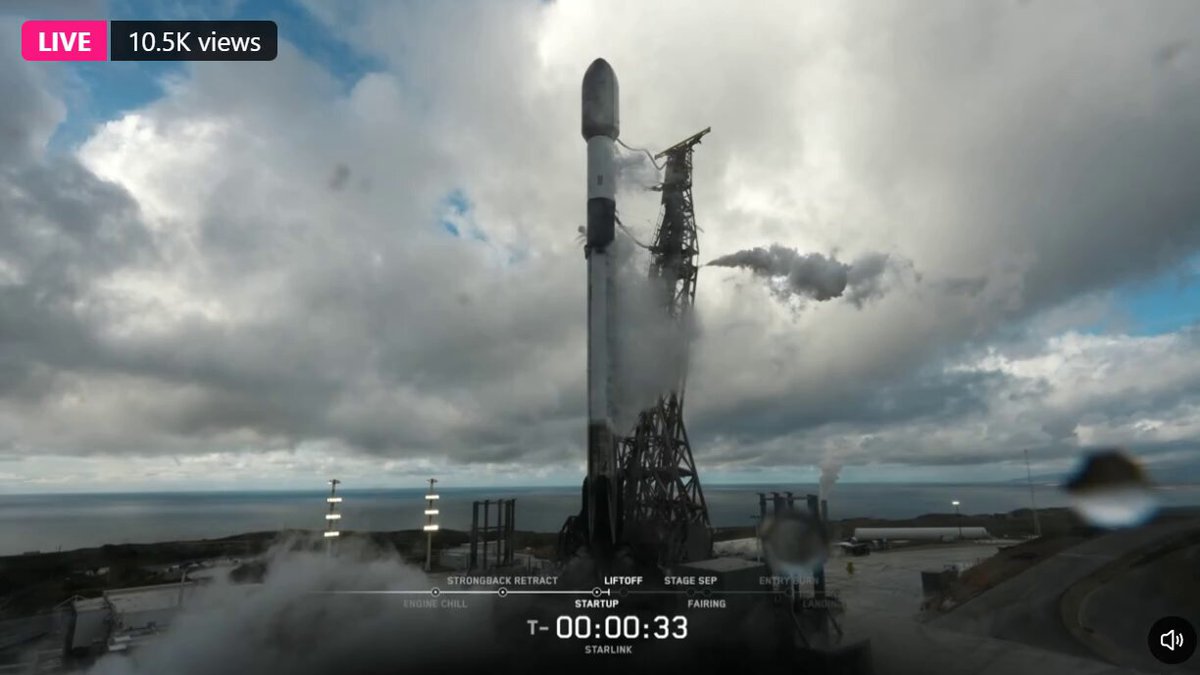
SpaceX's Falcon 9 booster B1063-36 called off its launch attempt for the Starlink Group 15-15 mission on Thursday evening, halting a planned deployment of 27 Starlink satellites from Space Launch Complex 4 East at Vandenberg Space Force Base. The abort came just minutes after SpaceX posted its live webcast link — and it's the second time this particular mission has been stopped before leaving the pad.
What exactly happened during the launch attempt?
According to NASASpaceflight, Falcon 9 veteran booster B1063-36 triggered an abort during the Starlink Group 15-15 launch attempt at SLC-4E, Vandenberg. The call went out as a "HOLD HOLD HOLD" — the standard abort announcement used during countdown operations — stopping the mission before liftoff. SpaceX had already posted the live webcast link publicly, meaning the abort happened in view of a live audience.
Is this the first time this mission has been scrubbed?
No. According to Spaceflight Now, the Starlink Group 15-15 mission was originally targeted for Tuesday, October 20, with a launch window running from 3:14 p.m. to 7:14 p.m. PT. That attempt was scrubbed, pushing the mission to a rescheduled window on Thursday, October 22, between 2:45 p.m. and 6:45 p.m. PT. Thursday's abort means the mission has now been stopped twice before reaching orbit.
Which booster was being used, and how significant is this flight?
The vehicle assigned to this mission is B1063-36 — a well-traveled Falcon 9 first stage on its 36th flight. SpaceX routinely reuses boosters at this cadence, and B1063 has an established track record. An abort at this stage doesn't necessarily indicate a booster problem; launch computers can trigger holds for a wide range of reasons, from ground system readings to weather constraints, and many aborted attempts result in a successful launch within days.
What does an abort mean for the satellites on board?
The 27 Starlink satellites remain safely inside the fairing on the rocket. An automated abort before ignition or in the early seconds of the countdown poses no risk to the payload. SpaceX will evaluate the cause of the hold, perform any necessary checks, and set a new launch date once the team determines the vehicle and range are ready. The satellites themselves are unaffected.
When could the next launch attempt happen?
SpaceX has not yet announced a new target date as of the time of publication. Typically, after an abort, the team needs at least 24 hours to recycle the vehicle and secure a new launch window from range authorities at Vandenberg Space Force Base. Given that this mission has already slipped twice, SpaceX will likely move quickly to reschedule — but the timeline depends on what triggered the hold. Follow our SpaceX coverage for updates as they come in.
Sources & reporting notes
The links below identify the material source records used for this report.
- @SpaceX on X (2026-10-22T22:40:56.000Z) — Direct source
- @NASASpaceflight on X (2026-10-22T22:51:39.000Z) — Direct source
Source links are preserved as published or accessed. See our editorial standards and corrections policy.
The BASENOR Editorial Desk covers Tesla, SpaceX, and related technology, curating reporting from primary sources — official accounts, regulatory filings, and software release data. Every article passes source-record and fact-checking review before publication. About the newsroom.
This report was curated by the BASENOR Editorial Desk from the sources listed above. Read our editorial standards or email editorial@basenor.com to report an error.